
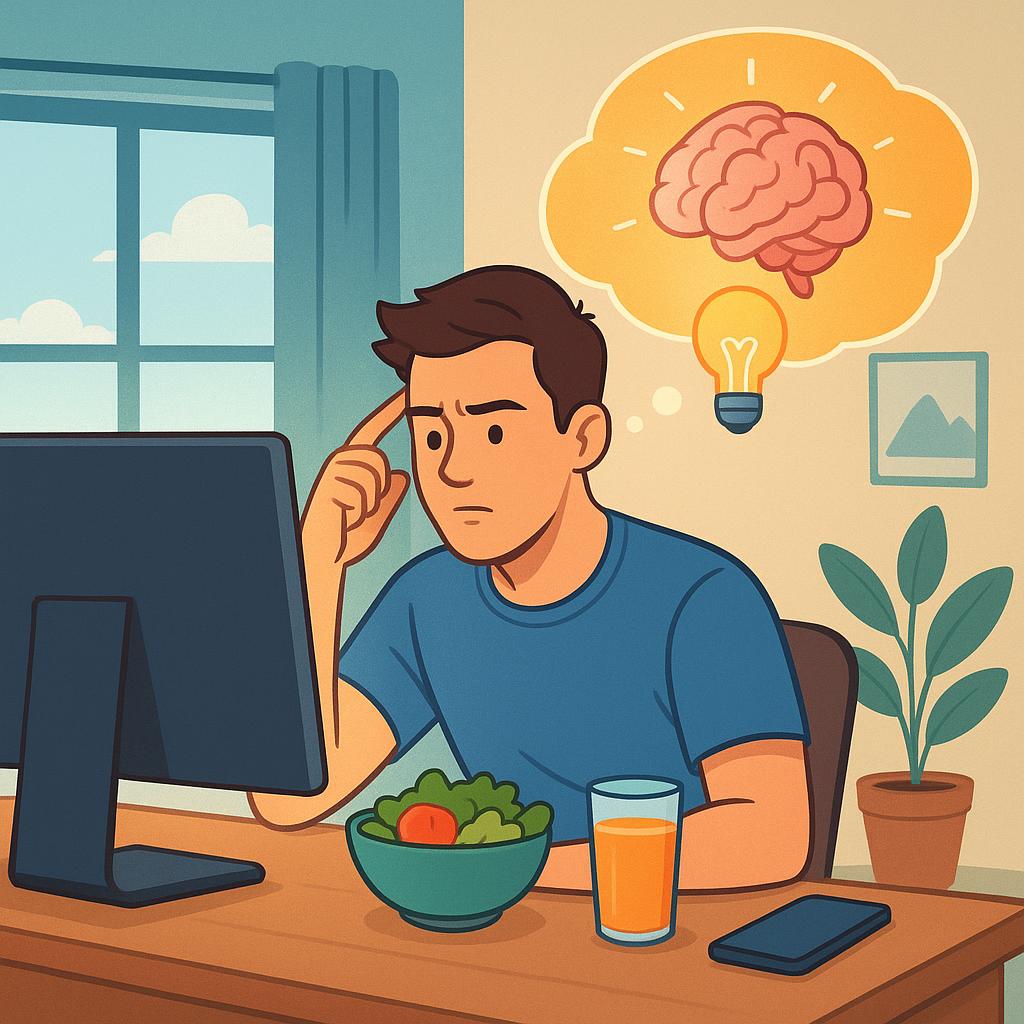
How Screen Exposure Timing Affects Your Focus and Memory
Understanding Screen Exposure Timing
In today’s digital age, screen exposure is nearly unavoidable, with individuals spending significant time in front of computers, smartphones, and televisions. The timing and duration of screen exposure play a crucial role in how it affects our focus and memory. Understanding these effects is paramount, especially considering the potential lifestyle implications on men’s health, such as erectile dysfunction, where focus and mental well-being are important factors.
The Connection Between Screen Time and Cognitive Function
Research indicates that prolonged screen exposure, especially before bed, can disrupt sleep patterns. Poor sleep quality is frequently associated with decreased cognitive function, affecting both focus and memory. This disruption can stem from reduced production of melatonin, a hormone vital for sleep regulation. For men, ensuring adequate sleep is essential, as inadequate rest is often linked to various health concerns, including erectile dysfunction.
Impact on Focus
Screen exposure timing, particularly in the mornings and late at night, can significantly impact one’s ability to concentrate. Exposure to blue light emitted by screens can slow the release of melatonin, making it difficult to achieve restful sleep at night. When focus diminishes, completing daily tasks becomes more challenging, contributing to stress—a known factor that can exacerbate erectile dysfunction.
Effect on Memory
Memory is another cognitive function susceptible to the effects of screen exposure timing. Engaging with screens right before bedtime can lead to sleep deprivation, hindering the brain’s ability to consolidate memories. Inadequate memory consolidation can impact daily activities, professional performance, and overall life quality. For men concerned about their cognitive abilities and overall health, managing screen time is a practical step in mitigating these effects.
Practical Steps to Mitigate Negative Impacts
While eliminating screen time is unrealistic, especially in today’s technology-driven world, there are several strategies one can employ to lessen its negative repercussions. It is advisable to reduce blue light exposure a few hours before bed. This can be achieved through the use of blue-light-blocking glasses or enabling night mode settings on devices.
Establishing a regular sleep schedule without screens as a bedtime companion can also enhance sleep quality. Prioritizing physical activity and face-to-face interactions during the day contributes positively to focus and memory by stimulating different parts of the brain. Notably, these lifestyle modifications can also support men’s health by reducing stress levels and potentially alleviating symptoms related to erectile dysfunction.
Implications for Men’s Health
The link between screen exposure timing and cognitive health extends to broader implications for men’s health. Prolonged and poorly-timed screen use may contribute to lifestyle factors that exacerbate erectile dysfunction. Stress, poor sleep quality, and lack of physical activity—often resulting from excessive screen use—are commonly evaluated alongside erectile difficulties.
Understanding and addressing these habits can offer a holistic approach to managing men’s health concerns. Open conversations with healthcare providers about lifestyle habits, including screen time, can provide insight into potential treatments and strategies.
Conclusion
As screens continue to dominate our daily activities, understanding the impact of screen exposure timing on focus and memory becomes increasingly important. By addressing these factors and making informed lifestyle choices, individuals can enhance their cognitive health and potentially improve associated aspects of men’s health. Emphasizing healthy sleep habits, regulated screen use, and active lifestyles can serve as preventive measures against various health challenges, including erectile dysfunction.
References
Centers for Disease Control and Prevention. About Sleep and Sleep Disorders.
Mayo Clinic. Erectile Dysfunction.
Cleveland Clinic. Obstructive Sleep Apnea.
American Urological Association. Erectile Dysfunction.