SEO_TITLE:
Understanding Performance Anxiety & Physical Health
SEO_DESCRIPTION:
Explore how performance anxiety triggers surprising physical health responses, including its role in erectile dysfunction and other men’s health issues.
FOCUS_KEYPHRASE:
performance anxiety and physical health
SLUG:
performance-anxiety-physical-health
SOCIAL_TITLE:
Performance Anxiety & Physical Health Explained
SOCIAL_DESCRIPTION:
Learn how performance anxiety impacts physical health, including its unexpected role in erectile dysfunction and related men’s health concerns.
WORDPRESS_TITLE:
Understanding How Performance Anxiety Triggers Unexpected Responses in Physical Health
ARTICLE_HTML:
Understanding Performance Anxiety and Physical Health
Performance anxiety, a common psychological phenomenon, is known to trigger various unexpected responses in physical health. This connection is particularly significant when exploring erectile dysfunction, a prevalent issue in men’s health. Understanding how anxiety impacts the body can provide insight into managing these complex interactions effectively.
The Mechanisms of Performance Anxiety
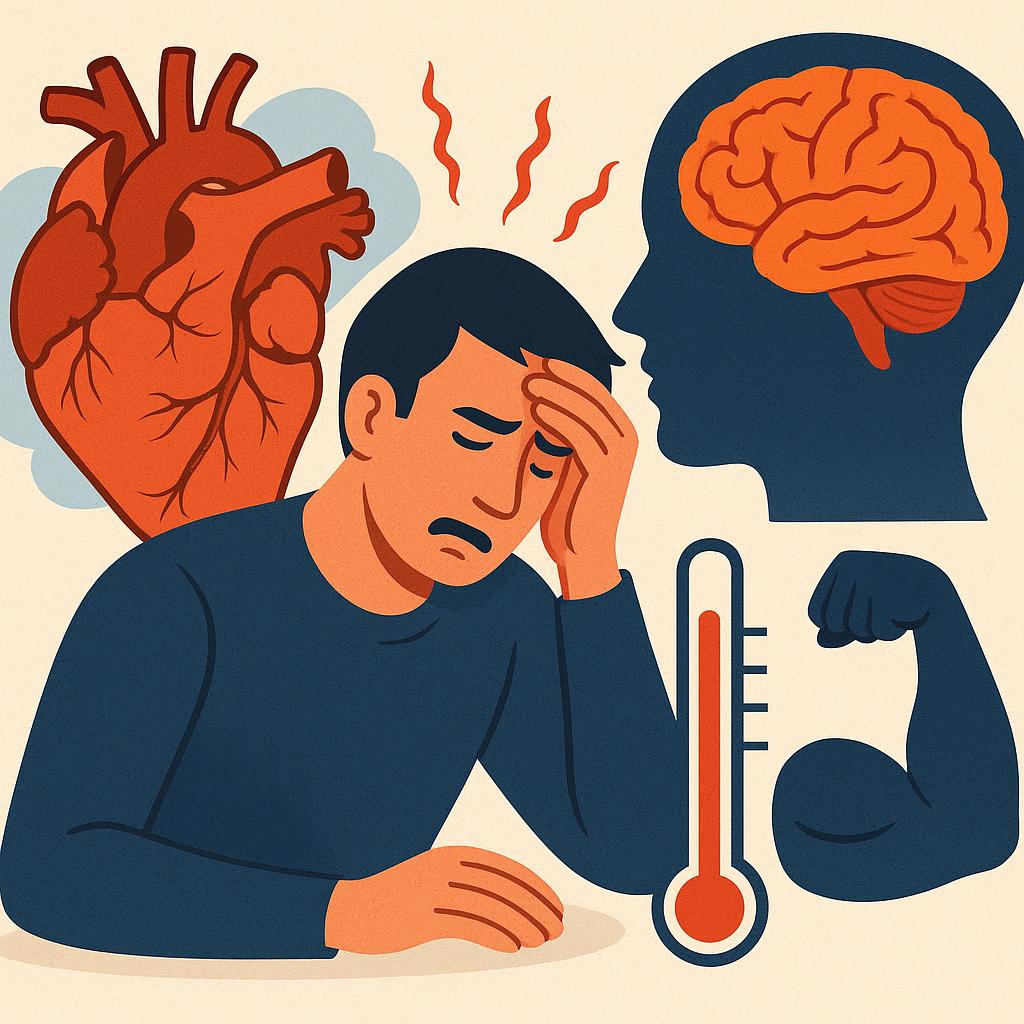
Performance anxiety typically manifests through a range of emotional and physical symptoms. The root of this anxiety often lies in the fear of underperforming or failing to meet expectations. When anxiety arises, the body can respond by activating the fight-or-flight response, leading to increased heart rate, elevated blood pressure, and heightened stress hormone release. These physiological changes can adversely affect various bodily functions, including sexual performance.
Performance Anxiety and Erectile Dysfunction
There is a well-documented link between performance anxiety and erectile dysfunction (ED). The stress and worry precipitated by performance-related pressures can inhibit the complex process required for an erection. Normally, sexual arousal involves a coordinated effort between the brain, hormones, emotions, nerves, muscles, and blood vessels. However, anxiety can disrupt this process by causing psychological stress, leading to the release of stress hormones that constrict blood vessels and make achieving or maintaining an erection challenging.
Broader Implications on Physical Health
Performance anxiety does not only affect sexual health; it can have broader implications on overall physical health. Chronic anxiety is associated with increased risks of cardiovascular conditions due to persistent high blood pressure and heart rate. Additionally, stress can lead to muscle tension, headaches, digestive issues, and sleep disturbances, all of which may contribute to a reduced quality of life.
Strategies for Managing Performance Anxiety
Tackling performance anxiety requires a multifaceted approach. Psychological interventions such as cognitive-behavioral therapy (CBT) can be beneficial in addressing the underlying fears and thought patterns contributing to anxiety. Relaxation techniques, including deep breathing exercises and mindfulness meditation, can alleviate symptoms by activating the body’s relaxation response, thereby counteracting the stress response.
For erectile dysfunction specifically, medical evaluation is vital to rule out any underlying physical causes. Treatment options may include medications, lifestyle modifications like exercise and diet changes, and addressing any psychological factors through therapy. Open communication with a healthcare professional is crucial in developing a personalized treatment plan tailored to individual needs.
Conclusion
Understanding the relationship between performance anxiety and physical health is crucial for identifying and managing the unexpected responses that anxiety can elicit. By acknowledging the psychological components and their effects on the body, individuals can seek effective treatments that enhance both mental and physical wellness.
References
National Institute of Diabetes and Digestive and Kidney Diseases. Erectile Dysfunction.
Mayo Clinic. Erectile Dysfunction.
Cleveland Clinic. Erectile Dysfunction.
Urology Care Foundation. Erectile Dysfunction.
Centers for Disease Control and Prevention. About Sleep and Sleep Disorders.