
SEO_TITLE:
Understanding Sensory Thresholds in Pain Management
SEO_DESCRIPTION:
Explore how sensory thresholds impact pain desensitizer effectiveness and why patients respond differently in urological healthcare settings.
FOCUS_KEYPHRASE:
sensory thresholds pain desensitizers
SLUG:
sensory-thresholds-pain-desensitizers
SOCIAL_TITLE:
Why Sensory Thresholds Matter in Pain Response
SOCIAL_DESCRIPTION:
Learn why sensory thresholds affect patient responses to pain desensitizers and their implications for urological and men’s health.
WORDPRESS_TITLE:
Understanding Sensory Thresholds: How They Affect Pain Desensitizers
ARTICLE_HTML:
Understanding Sensory Thresholds in Pain Management
Introduction to Sensory Thresholds
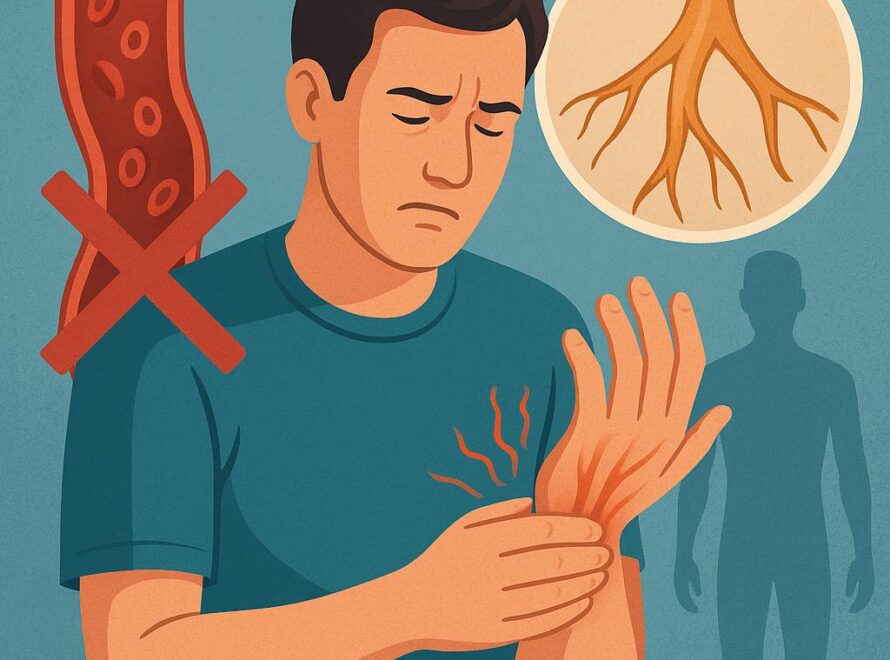
Sensory thresholds play an essential role in understanding how patients respond to pain desensitizers, particularly in urological and men’s health conditions. Different individuals can perceive the same stimulus in varying ways, which makes tailored pain management a critical part of treatment plans.
The Science Behind Sensory Thresholds
Sensory thresholds refer to the minimum intensity at which a stimulus is perceived. Variations in these thresholds can cause different reactions to the same pain stimuli among patients. Factors influencing sensory thresholds include genetics, past medical history, psychological state, and even environmental conditions.
In urology, conditions like chronic pelvic pain or procedures affecting the urinary tract often require effective pain management. Understanding a patient’s sensory threshold can help healthcare providers choose appropriate interventions and desensitizers.
Pain Desensitizers: How They Work
Pain desensitizers function by dulling the sensory nerves that transmit pain signals to the brain. These desensitizers can be local anesthetics, systemic medications, or topical applications. The effectiveness of each method can be significantly impacted by a patient’s sensory threshold.
Individual Response Variability
Patients with lower sensory thresholds may experience heightened sensitivity to any form of pain, including those which arise from urological issues. Consequently, standard dosages of pain desensitizers might be overly potent or insufficient, necessitating personalized treatment plans.
Moreover, psychological factors like stress and anxiety can alter sensory thresholds, further complicating response predictions. Understanding these nuances empowers healthcare providers to better address the complex needs of their patients.
Factors Affecting Sensory Thresholds
Several factors may influence an individual’s sensory threshold. Age is one factor; as people age, their sensory thresholds may increase, making them less sensitive to certain stimuli.
Hormonal changes, often linked with conditions such as erectile dysfunction, can also alter sensory perception. Psychological factors such as mood disorders and stress are known to modulate pain perception as well. Finally, lifestyle factors such as sleep quality, diet, and exercise can all contribute to the variability in sensory thresholds.
Implications for Urological and Men’s Health
In the domain of urology, understanding the variability in sensory thresholds can aid in addressing conditions like erectile dysfunction, urinary tract disorders, and post-surgical recovery. A nuanced approach helps to improve patient satisfaction and treatment outcomes.
Furthermore, telemedicine offers unique challenges and opportunities in realizing effective pain management. Remote consultations must thoroughly assess patient reactions and adjust prescriptions as needed, based on nuanced conversations about pain experience and threshold sensitivity.
Conclusion
Sensory thresholds are crucial in explaining why some patients respond differently to pain desensitizers. A comprehensive understanding of these thresholds enables tailored treatment plans that account for the individual variability in pain perception, contributing to better healthcare outcomes.
References
American Urological Association. Erectile Dysfunction.
Mayo Clinic. Erectile Dysfunction.
National Institute of Diabetes and Digestive and Kidney Diseases. Erectile Dysfunction.
Cleveland Clinic. Sleep Apnea.
Urology Care Foundation. Erectile Dysfunction.