
SEO_TITLE:
REM Sleep and Daytime ED Connection
SEO_DESCRIPTION:
Explore how REM sleep problems can cause normal night erections yet lead to erectile dysfunction during the day. Learn about symptoms and possible treatments.
FOCUS_KEYPHRASE:
REM sleep problems and daytime ED
SLUG:
rem-sleep-daytime-ed-connection
SOCIAL_TITLE:
REM Sleep Issues and Daytime Erectile Dysfunction
SOCIAL_DESCRIPTION:
Discover how REM sleep disturbances can lead to normal nocturnal erections but result in erectile dysfunction during daytime. Learn about causes and solutions.
WORDPRESS_TITLE:
How REM Sleep Problems Can Cause Daytime Erectile Dysfunction
ARTICLE_HTML:
How REM Sleep Problems Can Cause Daytime Erectile Dysfunction
Understanding REM Sleep and Its Importance
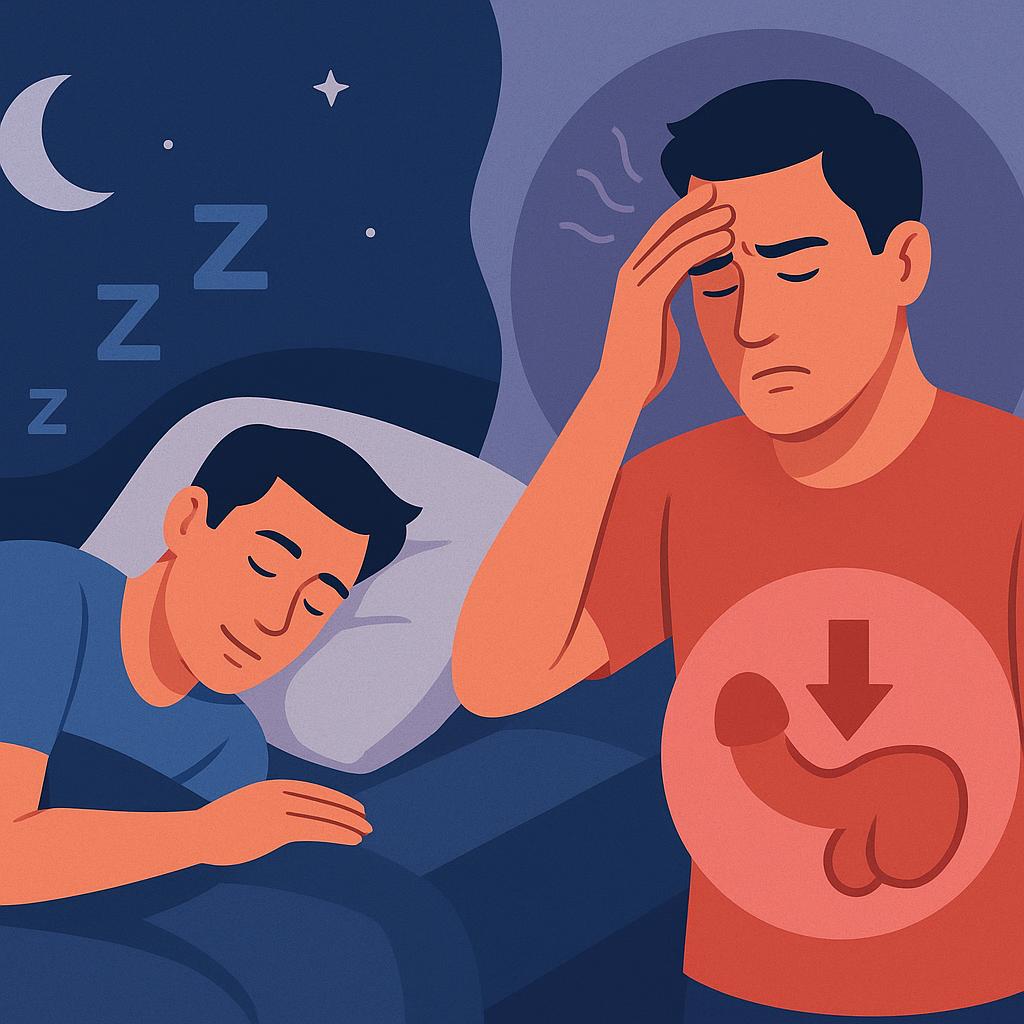
Rapid Eye Movement (REM) sleep is a crucial part of our sleep cycle, known for its role in emotional regulation, memory consolidation, and even physical health. During REM sleep, men typically experience nocturnal penile tumescence, commonly referred to as morning erections. These nocturnal erections are indicators of healthy physiological function. However, disturbances in REM sleep can have significant impacts, potentially contributing to erectile dysfunction (ED) during the day.
The Link Between REM Sleep Disorders and Daytime Erectile Dysfunction
REM sleep problems are often associated with conditions like sleep apnea, narcolepsy, and other sleep disorders that can disrupt the normal sleep cycle. These disturbances can hinder the restorative functions of sleep, leading to sleep deprivation, fatigue, and even psychological stress. While nocturnal erections may still occur, the quality of sleep can influence daytime erectile function.
Conditions like sleep apnea lead to intermittent hypoxia, or reduced oxygen levels in the blood, which can affect vascular health. Vascular problems are a well-known cause of erectile dysfunction, suggesting a possible link between poor sleep and ED. Moreover, the psychological stress from chronic sleep issues can exacerbate the risk of erectile dysfunction.
Symptoms and Diagnosis
Men experiencing normal night erections but difficulties with daytime erectile function should consider the potential impact of sleep on their condition. Symptoms of REM sleep disturbances may include excessive daytime sleepiness, difficulty concentrating, and mood swings. A comprehensive evaluation usually involves sleep studies and discussions with healthcare providers about sleep patterns, stress levels, and overall health.
Treatment and Management Options
Treatment for daytime erectile dysfunction linked to REM sleep issues starts with addressing the underlying sleep problems. This can involve continuous positive airway pressure (CPAP) therapy for sleep apnea, medication to regulate sleep patterns, and cognitive behavioral therapy for insomnia. Improving sleep hygiene and managing stress through relaxation techniques may also benefit erectile function.
For persistent erectile dysfunction, medical providers may explore pharmacological treatments such as phosphodiesterase type 5 (PDE5) inhibitors. However, these should be considered alongside treating sleep disorders to achieve the best outcome.
Preventing Erectile Dysfunction Through Better Sleep
Preventive strategies are integral to reducing the risk of erectile dysfunction linked to sleep problems. Regular sleep schedules, minimizing caffeine intake, and creating a conducive sleep environment can enhance sleep quality. Engaging in regular physical activity and maintaining a balanced diet can also support vascular health, further reducing the risk of ED.
Participating in mindfulness and relaxation exercises can alleviate stress, promoting better sleep and consequently improving sexual health. Open communication with healthcare providers about sleep and performance concerns is essential for developing personalized prevention and treatment strategies.
References
National Institute of Diabetes and Digestive and Kidney Diseases. Erectile Dysfunction.
Mayo Clinic. Sleep Apnea.
Cleveland Clinic. Obstructive Sleep Apnea.
Centers for Disease Control and Prevention. About Sleep and Sleep Disorders.