
SEO_TITLE:
Low Testosterone and Physical Performance Effects
SEO_DESCRIPTION:
Low testosterone can impact physical performance. Understand the science behind this and how it relates to factors like erectile dysfunction in men’s health.
FOCUS_KEYPHRASE:
low testosterone physical performance
SLUG:
low-testosterone-physical-performance
SOCIAL_TITLE:
Does Low Testosterone Affect Physical Performance?
SOCIAL_DESCRIPTION:
Explore how low testosterone may impact physical performance, its symptoms, and its possible link with erectile dysfunction and men’s health issues.
WORDPRESS_TITLE:
Could Low Testosterone Affect Your Physical Performance?
ARTICLE_HTML:
Understanding Low Testosterone and Physical Performance
Testosterone is a critical hormone in the male body, primarily produced in the testes. It’s best known for its role in male reproductive function, but it also plays a vital role in other areas such as muscle mass, bone density, and overall physical performance. When testosterone levels drop below normal, a condition known as low testosterone or hypogonadism may develop, potentially affecting various aspects of health, including physical performance.
How Low Testosterone Can Impact Physical Performance
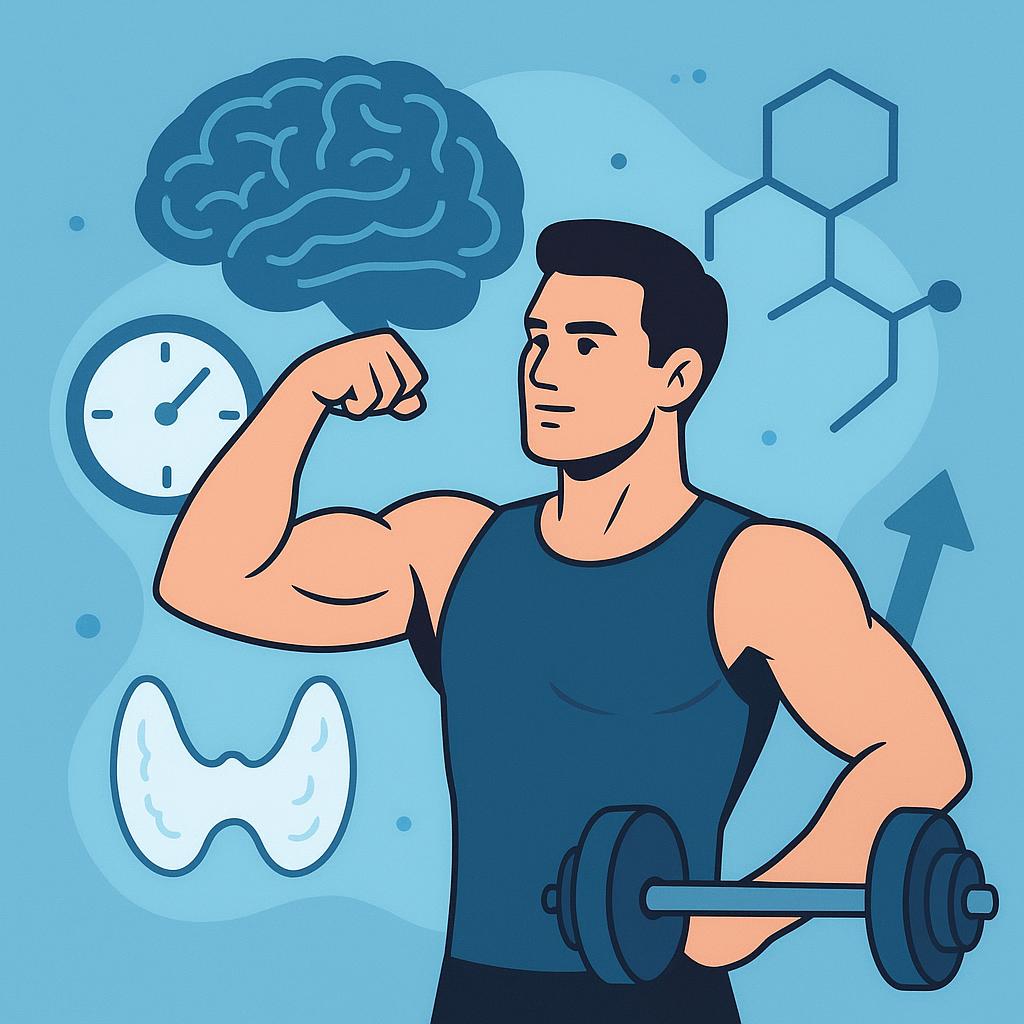
Reduced testosterone levels can manifest in several ways that may hinder physical performance. These include diminished muscle mass and strength, increased body fat, and decreased bone density. Such changes can impair an individual’s ability to perform physically demanding tasks and may also increase the risk of injuries.
Low testosterone is also often linked with fatigue and reduced endurance, further affecting an individual’s capacity to engage in physically intensive activities. The resulting decrease in energy levels can lead to a reduction in physical activity, which can further compound issues associated with muscle mass and strength.
The Connection Between Low Testosterone and Erectile Dysfunction
Erectile dysfunction (ED), the inability to achieve or maintain an erection suitable for intercourse, can be associated with low testosterone levels. Testosterone plays a role in the physiological process that leads to an erection, which involves a complex interaction of hormones, nerves, and blood vessels.
Although low testosterone is not a common cause of ED, it can contribute to it by affecting sexual drive, which is another aspect of overall physical and mental health. Factors such as vascular issues, neurological conditions, psychological factors, and lifestyle choices are often evaluated alongside hormone levels when diagnosing erectile dysfunction.
Diagnosis and Treatment Options
Low testosterone is diagnosed through a combination of physical examination, patient history, and blood tests measuring testosterone levels. It’s essential to evaluate symptoms in the context of total health since testosterone levels naturally decline with age.
Treatment options for low testosterone aim to restore hormone levels to a normal range, thus alleviating symptoms that affect physical performance and quality of life. Hormone replacement therapy (HRT) is commonly considered; however, it requires careful evaluation by a healthcare professional due to potential risks and side effects.
Addressing lifestyle factors, such as diet and exercise, may also help improve testosterone levels naturally. Reducing stress, improving sleep, and treating underlying conditions like obesity and diabetes are vital aspects of a comprehensive approach to managing low testosterone.
Conclusion
Low testosterone can have a considerable impact on physical performance, contributing to issues such as decreased muscle mass, fatigue, and possibly erectile dysfunction. Understanding the underlying science and addressing the condition through appropriate treatments and lifestyle changes are crucial steps toward enhancing overall health and well-being for affected individuals.
References
National Institute of Diabetes and Digestive and Kidney Diseases. Erectile Dysfunction.
Mayo Clinic. Erectile Dysfunction.
Cleveland Clinic. Erectile Dysfunction.
Urology Care Foundation. Erectile Dysfunction.
American Urological Association. Erectile Dysfunction.