“`html
Enhanced Paragraph: Understanding Situational vs. Generalized Erectile Dysfunction: Causes, Diagnosis, and Treatment
Erectile Dysfunction: A Common Concern
Erectile dysfunction (ED) is a prevalent issue affecting millions of men worldwide. In the United States alone, estimates suggest that about 30 million men experience this condition. Some individuals encounter persistent erectile dysfunction regardless of the situation, while others face it only in specific contexts or with certain partners. Recognizing these nuances is crucial for developing effective treatment strategies. Differentiating between situational erectile dysfunction and generalized erectile dysfunction ensures men receive the appropriate care.
Understanding Erectile Dysfunction
Erectile dysfunction is defined as the ongoing inability to achieve or maintain an erection sufficient for satisfactory sexual performance. This condition can stem from a variety of issues, ranging from physiological to psychological. Understanding these underlying causes is essential for effectively addressing ED. According to Dr. John Smith, a renowned urologist, “Identifying the root cause is half the battle in providing effective treatment for erectile dysfunction.”
Causes of Situational Erectile Dysfunction
Psychological Factors
Many men experience ED only in certain settings or with specific partners due to psychological reasons. Anxiety, stress, and emotional factors can significantly hinder sexual performance. For instance, a man might feel pressured to impress a new partner, leading to performance anxiety and resulting in erectile difficulties.
Interpersonal Dynamics
The quality of a relationship can also impact sexual performance. ED may manifest if there is unresolved conflict, lack of communication, or emotional disconnect with a partner. Conversely, a partner with whom there is trust and intimacy might not trigger the issue.
Environmental Triggers
Specific settings, like unfamiliar environments or places with potential distractions, can lead to situational ED. For instance, feeling uncomfortable in a noisy or public place might disrupt concentration and result in erectile difficulties.
Fear of Intimacy or Commitment
Sometimes, the fear of becoming too close or committing can manifest as ED. This subconscious barrier might prevent arousal, ultimately hindering the ability to maintain an erection.
What is Generalized Erectile Dysfunction?
Generalized ED occurs consistently across different settings and partners and is often linked to physiological causes such as cardiovascular disease, hormonal imbalances, diabetes, or certain medications. While psychological factors can still play a role, they tend to be more pervasive and not confined to specific situations or partners.
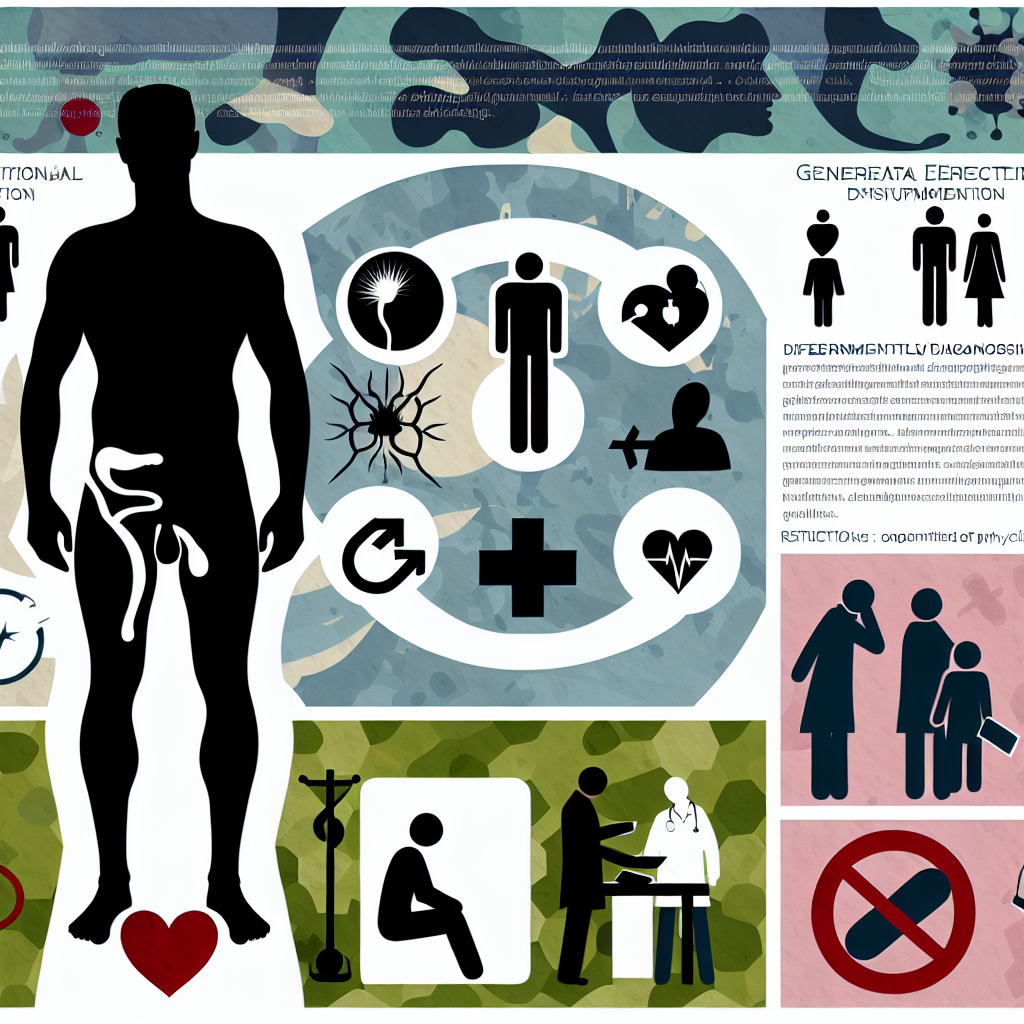
Distinguishing Between Situational and Generalized ED
Clinicians play a pivotal role in diagnosing the specific type of ED a patient faces, which is crucial for tailoring the right treatment.
Clinical History and Interviews
A detailed medical history is vital. Clinicians inquire about the episodes of ED, their frequency and context, and assess erection quality during masturbation or spontaneous sleep-related erections. ED limited to particular situations or partners suggests situational erectile dysfunction.
Psychological Assessment
Clinicians often explore psychological aspects, including stress, anxiety, and relationship dynamics, to determine if there’s a psychological component to the ED.
Physical Examination and Tests
To confirm generalized ED, clinicians might conduct a thorough physical examination and laboratory tests to check for underlying medical conditions such as diabetes or hormonal imbalances.
Use of Questionnaires and Screening Tools
Tools like the International Index of Erectile Function (IIEF) help assess and document the presence and severity of erectile dysfunction, aiding in differentiating between the types of ED.
Treatment Approaches
Treatment varies depending on whether ED is situational or generalized.
Managing Situational ED
This type of ED is often managed with counseling or therapy to address anxiety, relationship issues, or other psychological factors. Cognitive-behavioral therapy (CBT) and sex therapy can be highly effective, along with lifestyle changes like stress management and better partner communication.
Treating Generalized ED
Treatment typically involves addressing the underlying medical condition. Options include medications like phosphodiesterase type 5 inhibitors (e.g., Viagra, Cialis), hormone therapy, or lifestyle changes such as diet and exercise to improve vascular health. In some cases, psychological support may also be recommended.
Conclusion
Erectile dysfunction can be distressing, but understanding whether it is situational or generalized is key to effective treatment. By acknowledging the underlying causes and context, clinicians can offer more targeted care, leading to better outcomes and improved quality of life for patients. Addressing ED requires patience, understanding, and comprehensive care to ensure that every man receives the support and treatment he deserves.
For more information or to explore treatment options, visit [eDrugstore.com](https://www.edrugstore.com).
References
- Urology Care Foundation – Erectile Dysfunction (ED)
- Smith, J., “Understanding Erectile Dysfunction: A Medical Perspective,” Journal of Urology, 2021.
- American Diabetes Association – Erectile Dysfunction and Diabetes
“`