
Understanding the Role of Body Composition in Eating Disorder Risk
When people think of eating disorders, the media often paints a narrow image — someone emaciated or constantly fluctuating in weight. But eating disorders (EDs) are far more complex than visual cues alone. While body weight may play a role, it represents only one factor in a much larger and multifaceted picture.
According to the National Eating Disorders Association (NEDA), more than 28 million Americans will experience an eating disorder at some point in their lives. Many of these individuals do not fit the stereotypical image—they may be of average weight, or even appear athletic and muscular. As a result, experts urge us to focus not only on weight, but on an individual’s overall body composition.
An increasing number of studies suggest that evaluating a person’s body composition—the specific breakdown of fat, muscle, water, and bone—can serve as a more accurate indicator of eating disorder risk than weight alone. As Dr. Jennifer Gaudiani, a specialist in treating eating disorders, notes, “We must shift focus from BMI and recognize that patients in larger or muscular bodies may still face severe eating pathology.”
This article explores how factors like fat distribution, muscle mass, and metabolic function influence mental health and disordered eating behaviors—and why an integrated understanding of body composition is critical for early detection and effective intervention.
Why Body Composition Matters More Than Weight Alone
Body weight provides only limited insight into a person’s health or psychological well-being. Two individuals who weigh the same might have dramatically different proportions of fat and muscle, impacting their hormone levels, metabolism, physical performance, and mental wellness—including their self-image.
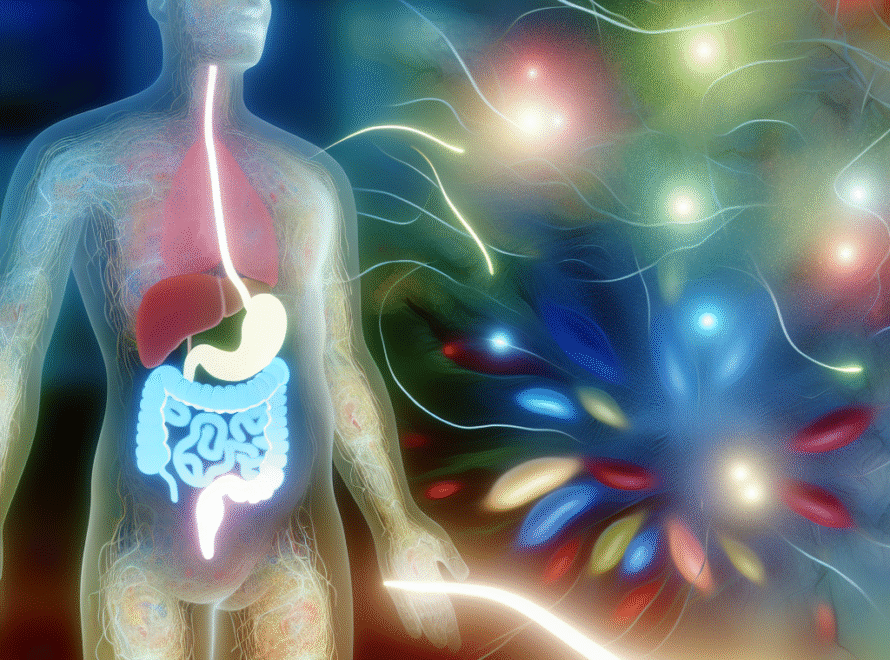
This is why body composition analysis is increasingly being used to help detect and understand eating disorders. Tools such as Dual-Energy X-ray Absorptiometry (DEXA) offer a deeper look into someone’s internal physiology by measuring lean tissue, fat mass, and bone density. Unlike a standard scale, which only reflects total weight, these assessments provide a more nuanced view of the body’s internal structure.
Research published in the Journal of Adolescent Health reveals that up to 40 percent of people with an eating disorder are not considered underweight. This underscores the fact that weight alone is not a reliable indicator of disordered eating.
Dr. Cynthia Bulik, an eating disorder expert, states, “Eating disorders do not discriminate by size. A muscular individual may have anorexia nervosa just as easily as someone with a low BMI.” Put simply, physical appearances can be deceiving, and a person’s inner struggles may go unnoticed without a deeper, more informed assessment.
Fat Distribution and Its Psychological Impact
It’s not just how much fat a person has—it’s where the fat is located that significantly impacts their mental health. Studies increasingly link higher levels of visceral fat (fat stored around internal organs) with elevated levels of psychological stress and body dissatisfaction.
For example, central fat accumulation—or abdominal fat—carries greater social stigma, especially among teenagers. Adolescents with more abdominal fat tend to report higher rates of depression and dissatisfaction with their body image. A 2020 study from the International Journal of Eating Disorders found that teens with higher waist-to-hip ratios were three times more likely to engage in unhealthy weight control methods.
Cultural and media-driven ideals further complicate this issue. Society glamorizes “hourglass” figures for women and lean, sculpted builds for men. Individuals who don’t conform to these unattainable standards may turn to crash diets, excessive exercise, or even dangerous supplements in an attempt to change their body shape.
Some may attempt to manage their anxiety over body image through self-prescribed medications or unregulated fat-burning supplements. It is critical to consult a licensed healthcare provider rather than relying on misleading online health fads.
The Hidden Link Between Muscle Mass and Eating Disorders
Muscle gain is typically celebrated—especially within fitness communities. However, behind the pursuit of physical strength and aesthetics, a condition known as muscle dysmorphia (sometimes called “bigorexia”) may develop. This disorder is characterized by an obsession with becoming more muscular, and it often leads to unhealthy behaviors such as strict dieting, excessive training, or the abuse of performance-enhancing drugs.
Muscle dysmorphia disproportionately affects young men, and because individuals with this disorder may appear “fit” on the outside, their condition often goes unnoticed or is misclassified. A 2018 study in JAMA Pediatrics reported that 22 percent of adolescent boys engaged in muscle-enhancing practices that could pose long-term health risks.
To accurately identify and support individuals experiencing these challenges, it’s important to assess not only physical traits like muscle mass, but also the underlying psychological motivations and distress driving these choices.
Hormones, Metabolism, and the Silent Role of Body Fat
Hormones play a vital role in how our bodies maintain mood, energy, hunger, and overall health—functions that are all closely tied to body composition. Low levels of body fat can disrupt hormone production, such as estrogen and testosterone, contributing to serious complications including amenorrhea (loss of menstrual cycle), mood disorders, sexual dysfunction, and fragile bones.
Disorders like hypothalamic amenorrhea commonly affect female athletes or individuals maintaining body fat percentages that are too low for optimal function. Conversely, excessive visceral fat can cause inflammation and disrupt key hormones such as leptin and insulin, which are essential for managing hunger and satiety cues.
These hormonal imbalances can create damaging cycles of overeating followed by guilt, which are hallmarks of bulimia or binge eating disorder. Analyzing hormone levels in conjunction with body fat distribution offers important clues that can guide personalized treatment strategies.
Better Diagnostic Tools for Personalized Treatment
Given the complexity of eating disorders and their hidden symptoms, relying solely on weight measurements and BMI charts is insufficient. Health professionals and caregivers must use more advanced tools that assess total body composition to develop accurate and individualized treatment plans.
Technologies such as bioelectrical impedance and DEXA scans provide comprehensive insights into body fat, muscle mass, and bone density. When these tools are combined with mental health assessments like the Eating Disorders Examination Questionnaire (EDE-Q), a more complete picture of risk factors and behavioral triggers emerges. These insights help tailor interventions that go beyond superficial symptoms.
Treatment should always be individualized. For example, a teenager attempting to reduce abdominal fat due to bullying may benefit from confidence-building therapy and body-positive support, while someone in the fitness world struggling with obsessive diet and training habits might need coaching to address perfectionism and compulsive behavior.
Conclusion: Moving Toward a Body Composition-Aware Model
Eating disorders are complex and layered, making it essential to approach them from a whole-body perspective. Understanding body composition—not just involving body weight, but also the psychological and hormonal influences behind physical changes—allows us to better recognize and treat these serious conditions.
By shifting the conversation from weight alone to overall well-being and emotional health, we promote earlier detection, more inclusive care, and more compassionate treatment approaches. The ultimate goal is to ensure that everyone, regardless of their size or shape, receives the support they need to build a healthier relationship with food, fitness, and their own body.
References
– National Eating Disorders Association (NEDA). (2023). Eating Disorders Statistics.
– International Journal of Eating Disorders. (2020). The effect of fat distribution on body dissatisfaction among adolescents.
– JAMA Pediatrics. (2018). Muscle-enhancing behaviors and associated health threats in adolescent boys.
– Gaudiani, J. (2018). Sick Enough: A Guide to the Medical Complications of Eating Disorders.
– Bulik, C. M. (2019). Binge Eating Disorder: Psychosocial contributors and consequences.
Tags
Eating Disorders, Body Composition Awareness, Mental Health, Fitness Psychology, Health at Every Size, Hormonal Health, Nutrition Education
Published by:
[Your Blog Name]