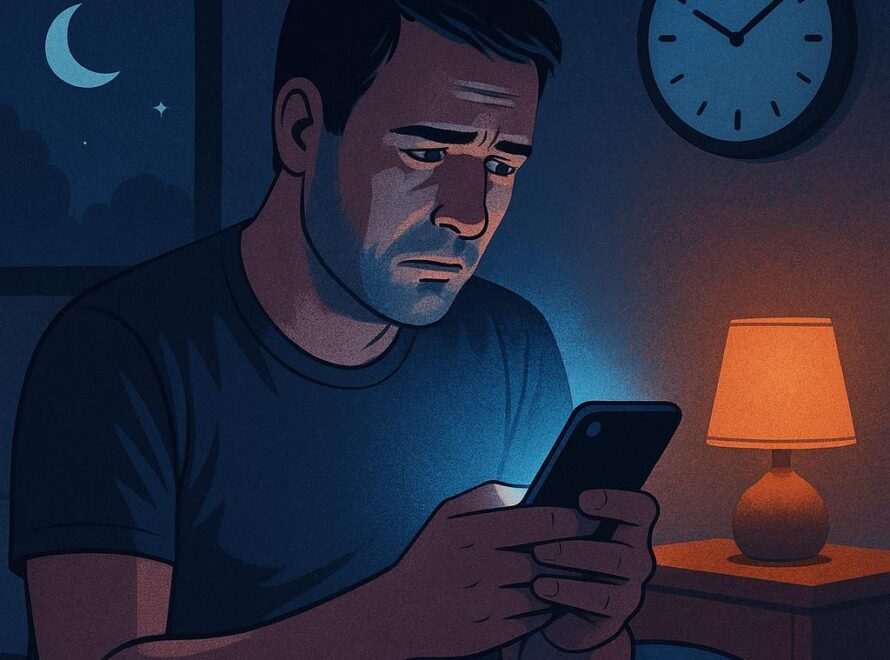
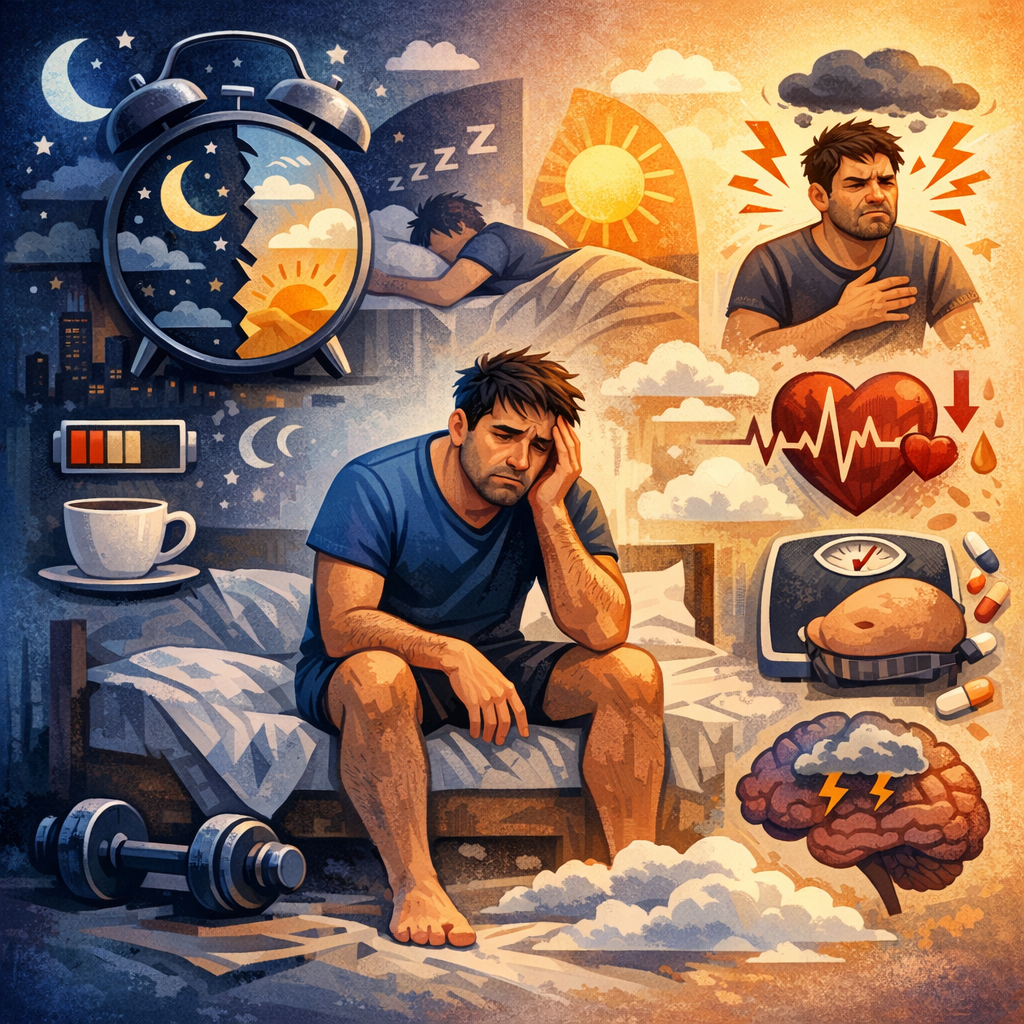
## Understanding Sleep and Its Role in Men’s Health
When discussing men’s health, the importance of sleep is often overshadowed by diet and exercise. However, new research highlights that sleep is vital for nocturnal erections and overall sexual health. The National Sleep Foundation reports that up to 70 million Americans experience sleep disorders, which can detrimentally affect sexual well-being. Men frequently misinterpret the variability of their nocturnal erections as the sole reflection of their sexual health, overlooking the significant influence of irregular sleep patterns.
## Decoding the Mystery of Nocturnal Erections
Nocturnal erections, or nighttime erections, occur involuntarily during the REM (rapid eye movement) phase of sleep. These are essential for penile health as they facilitate oxygenation and sustain function. While they indicate normal erectile activity, they are subject to influence from both physiological and psychological aspects. Dr. John Thorp, a men’s health expert, notes, “Though nocturnal erections are valuable for assessing erectile health, they shouldn’t be seen in isolation as a definitive measure of overall sexual health.” Misunderstandings in this area can lead to unwarranted anxiety or misplaced confidence among men.
## Exploring the Sleep-Erection Connection
Irregular sleep patterns can significantly affect nocturnal erections. Poor sleep habits, inadequate sleep duration, erratic sleep schedules, and conditions like sleep apnea can diminish the quality and frequency of erections. REM sleep is crucial for sustaining natural testosterone cycles. Research indicates that chronic sleep deprivation can lower testosterone levels by as much as 15%, impacting both sexual desire and function.
Sleep disorders such as insomnia and obstructive sleep apnea have been associated with a heightened risk of erectile dysfunction (ED). Understanding the deep impact of sleep on sexual health is essential for accurate diagnosis and effective treatment.
## Myths and Misconceptions Surrounding Sexual Health
There are widespread misconceptions about nocturnal erections and sexual health. Many believe that consistent and strong nocturnal erections signify top sexual performance, while variations can cause stress. This myth stems from a lack of understanding of the complexities involved in sexual health, which also covers psychological and lifestyle factors. Emotional issues, such as stress and anxiety, can worsen sleep problems and, in turn, affect erectile function. Addressing these concerns requires a holistic approach that combines mental health support with lifestyle modifications.
## The Crucial Role of Healthcare Providers
Healthcare professionals play a vital part in educating men about the intricate relationship between sleep patterns and erectile function. Open discussions about sleep habits, lifestyle, and mental health are fundamental to effective treatment. By advocating for better sleep hygiene and addressing sleep disorders, clinicians can help improve erectile function and overall well-being. Encouraging patients to prioritize sleep, suggesting regular sleep schedules, and creating a conducive sleep environment are essential strategies.
## Practical Steps for Better Sleep and Enhanced Sexual Health
Men looking to improve their sleep quality and sexual health can implement several practical measures:
1. **Maintain a Regular Sleep Schedule**: Consistency in sleep timing helps regulate the internal clock, improving sleep quality.
2. **Create a Restful Environment**: Optimize the bedroom for sleep by minimizing noise, light, and distractions.
3. **Limit Stimulants**: Avoid consuming caffeine and nicotine before bedtime to prevent sleep disruptions.
4. **Stay Active**: Engage in regular physical activity, but avoid intense exercise close to bedtime.
5. **Manage Stress Levels**: Incorporate relaxation practices like meditation or yoga for better sleep.
## Conclusion: Prioritizing Sleep for Optimal Health
Quality sleep is foundational to health, significantly affecting nocturnal erections and overall well-being. Many men misconstrue sleep-related changes in their erectile patterns as an indicator of overall sexual performance. Recognizing the complex link between sleep and sexual health and making informed lifestyle choices can enhance erectile function and life quality. Healthcare providers play a critical role in dispelling myths and guiding men towards a comprehensive understanding of their health. Elevating sleep as a fundamental component of daily routine is key to optimizing both sleep and sexual health.