
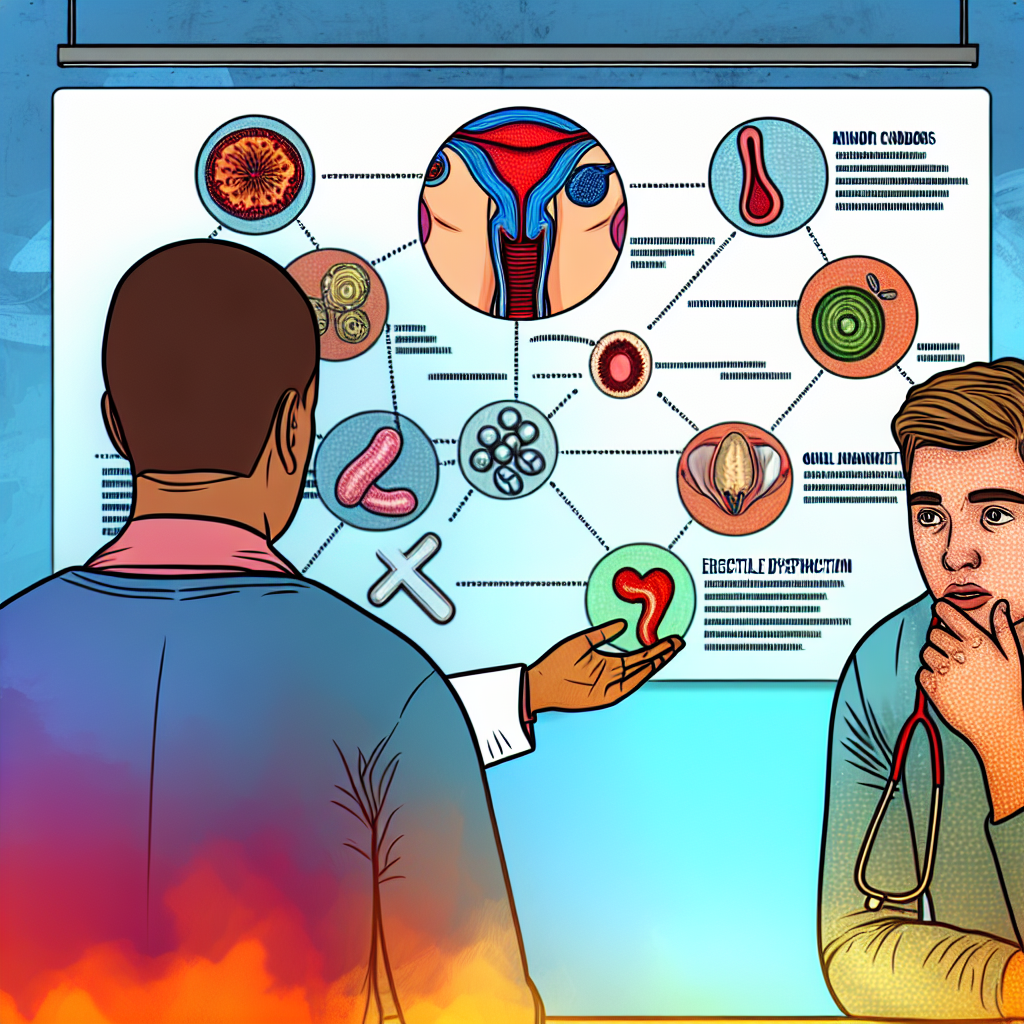
## Understanding the Connection Between Minor Illnesses and Erectile Dysfunction
Erectile dysfunction (ED) is a common condition affecting an estimated 30 million men in the United States, often leading to emotional stress and anxiety. While it is well known that significant health issues like cardiovascular disease and diabetes can cause ED, it is intriguing to note that minor illnesses can also have a substantial impact. Recognizing why seemingly unrelated minor health concerns can aggravate ED symptoms is crucial for comprehensive care. According to Dr. John Smith, a leading urologist, “Even minor illnesses can serve as a catalyst, highlighting issues that were previously unnoticed.”
## The Fundamental Mechanisms of ED
To understand the connection between minor illnesses and ED, it’s essential to grasp the basic mechanisms involved. Achieving an erection requires the coordination of psychological, neural, and hormonal factors. Disruptions in these areas often lead to ED. For example, poor blood circulation or hormonal imbalances, such as low testosterone levels, can hinder erectile function.
## Minor Illnesses and Their Impact on ED
### Immune and Inflammatory Responses
Minor illnesses often trigger immune responses that can lead to inflammation, harming endothelial function. Research published in the Journal of Men’s Health indicates that inflammation can reduce the availability of nitric oxide, which is vital for erections.
### Temporary Lifestyle Changes
Illnesses may disrupt normal routines, leading to altered sleep patterns and increased stress, which can contribute to temporary ED symptoms.
### Medication Interactions and Side Effects
Common over-the-counter medications, such as antihistamines or decongestants, can inadvertently affect sexual function by tightening blood vessels, thereby reducing penile blood flow.
### Systemic Impact of Illness
Even minor illnesses impose a systemic burden on the body, which can worsen pre-existing conditions like hypertension, known to affect sexual health.
## Revealing Underlying Health Issues
### Cardiovascular Health Concerns
ED may be the first sign of cardiovascular issues. A case of ED following a simple cold might lead to a check-up, revealing more serious heart conditions.
### Hormonal Imbalances
Temporary illnesses can highlight previously undetected hormonal imbalances that significantly contribute to ED.
### Lifestyle Diseases
Minor health issues affecting energy or mood can reveal unhealthy habits that need to be changed, such as poor diet or lack of exercise.
## A Holistic Approach to ED Post-Illness
### Comprehensive Medical Evaluation
A thorough evaluation should include cardiovascular and hormonal assessments to detect any undiagnosed conditions.
### Medication Reassessment
Reviewing recently taken medications can identify side effects impacting ED. Adjusting these medications may resolve symptoms.
### Health and Lifestyle Modifications
Encouraging patients to adopt a balanced diet and regular exercise routine can alleviate ED symptoms.
### Counseling and Support
Since ED can impact mental health, providing access to counseling or support groups can help manage stress and improve ED outcomes.
## Conclusion
Understanding how minor illnesses influence erectile dysfunction helps both clinicians and patients perceive ED as an indicator of broader health issues rather than an isolated problem. By addressing potential underlying conditions, considering medication impacts, and recommending lifestyle changes, healthcare providers can guide patients toward effective treatment strategies, enhancing their overall well-being. For further resources on managing ED, visit [edrugstore.com](https://www.edrugstore.com).
## References
1. “The Connection Between Cardiovascular Disease and ED,” American Heart Journal.
2. “Inflammation and Erectile Dysfunction,” Journal of Men’s Health.
3. ED Statistics, National Institute of Diabetes and Digestive and Kidney Diseases.
By transforming healthcare strategies, individuals experiencing ED can regain control over their sexual health and quality of life.
