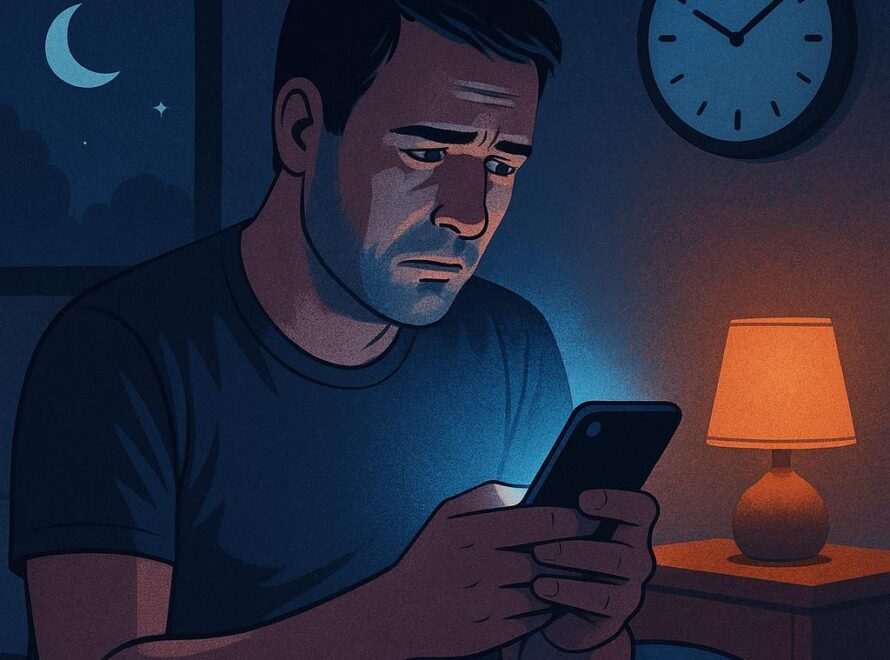

Cold Bedroom vs Warm Bedroom: Can Temperature Improve Sexual Health?
Most people understand that sleep is essential for overall health—but did you know your bedroom’s temperature might also impact your intimate well-being? Research is uncovering how temperature settings affect blood circulation to the penis, which plays a key role in sexual function and hormonal balance.
According to Dr. Michael Eisenberg, a urologist and male reproductive health expert at Stanford University, “Healthy blood flow at night is one of the most visible reminders of vascular health in men. The right sleep environment is surprisingly important.”
In this article, we’ll explore the science behind sleep temperatures and circulation, compare the benefits of cold vs warm bedrooms, and explain why your thermostat setting might be more important to long-term sexual performance than you thought.
Why Penile Blood Flow Is Essential for Male Health
Maintaining healthy blood flow to the penis is more than just vital for sexual performance—it’s also an important marker of cardiovascular and general well-being. Blood flow supports tissue health by delivering oxygen and nutrients, while regular nocturnal erections, which typically occur during REM sleep, serve as a natural indicator of circulatory function.
According to a study in The Journal of Sexual Medicine, men with cardiovascular conditions experienced significantly fewer spontaneous nighttime erections compared to men without heart issues. These findings link circulation health directly to erectile function.
Testosterone, a key hormone involved in libido and sexual health, also peaks during deep stages of sleep. Because of this, disruptions in your sleep environment, such as uncomfortable room temperatures, can negatively affect this hormone’s natural rhythm.
Monitor events like morning erections, as these can provide subtle yet telling clues about your cardiovascular status.
The Link Between Temperature and Blood Circulation
Body temperature plays a critical role in regulating circulation. In cold environments, the body initiates vasoconstriction—narrowing blood vessels to preserve warmth around vital organs. Unfortunately, this also means decreased blood flow to peripheral areas such as the genitals.
Warmer environments, on the other hand, initiate vasodilation, where blood vessels expand to help release heat. This leads to increased blood flow to extremities, including the pelvic region, which can promote healthy nighttime erections and assist in tissue regeneration.
However, both extremes should be avoided. Studies reveal that even a slight increase in core body temperature—just 1°C (1.8°F)—can disrupt REM sleep, thereby affecting both testosterone production and erectile quality.
For optimal results, aim for your personal “just right” temperature—what scientists often call the Goldilocks zone—not too hot, not too cold.
Benefits and Drawbacks of Sleeping in a Cold Room
Sleeping in a cool environment—below 60°F (16°C)—can support the release of melatonin, the hormone that regulates sleep cycles. Cooler temperatures are known to enhance sleep onset and improve sleep quality.
Benefits include falling asleep faster and experiencing deeper, more restorative sleep. However, the downside is that cold temperatures cause vasoconstriction, which may reduce penile blood flow and limit the frequency of nocturnal erections due to the body’s prioritization of core warmth.
For individuals who already experience reduced circulation or symptoms of erectile dysfunction, a cold bedroom may exacerbate the issue.
Pros of a cool bedroom:
– Encourages melatonin production for quicker sleep onset
– Promotes deep and restful sleep
– Reduces the risk of overheating
Cons of a cold bedroom:
– Promotes vasoconstriction, which restricts penile blood flow
– May decrease nighttime erections and testosterone release
– Comfort may be compromised in overly cold environments
Advantages and Disadvantages of a Warm Bedroom
A warm bedroom, typically around 65–67°F (18–19°C), can support vasodilation—helping blood vessels expand and improving circulation to the pelvic area. This improved blood flow may boost erectile health, particularly during REM sleep when most spontaneous erections occur.
Consistent nighttime erections are proven indicators of healthy testosterone levels and vascular function, according to the Cleveland Clinic.
However, it’s important to maintain moderate warmth. Overheating—especially above 70°F (21°C)—can interrupt REM sleep and hinder hormone production. Hot environments may also cause discomfort, excessive sweating, and reduced sleep quality.
Pros of a warm bedroom:
– Helps promote blood flow to the penis for optimal sexual function
– Supports healthy circulation and tissue repair
– May enhance the frequency and quality of erections
Cons of a warm bedroom:
– Excessive heat can impair REM sleep and hormone balance
– Overheating may lead to poor sleep quality and discomfort
– Can interfere with the body’s natural nighttime restoration processes
To maintain comfort and control, consider breathable sheets or cooling mattress toppers for better temperature regulation.
Ideal Bedroom Temperature for Sexual Health
For most people, maintaining a room temperature between 60–67°F (15.5–19.5°C) is ideal for sleep. However, if you’re aiming to support penile blood flow and overall sexual health, experts suggest keeping your bedroom temperature on the warmer end of that range—between 65–67°F (18–19.5°C).
This range allows the body to cool sufficiently for quality sleep while minimizing vasoconstriction that can limit blood flow to the genitals during rest.
Also, consider your bedding and sleepwear. Breathable fabrics, light sleepwear, and adjustable layers can help you remain within that optimal range throughout the night.
Professional Tip: Many treatments for erectile concerns include recommendations to avoid extreme temperatures—another good reason to keep your sleeping environment stable and comfortable.
Additional Lifestyle Choices That Support Penile Blood Flow
While managing your bedroom temperature can make a meaningful difference, long-term sexual health is influenced by broader lifestyle factors. Experts agree that a heart-healthy lifestyle strongly correlates with better erectile function.
Effective ways to boost penile blood flow include:
– Consistent exercise: Even 30 minutes of moderate activity per day enhances cardiovascular and sexual function.
– Maintaining a healthy weight: Excess belly fat disrupts testosterone production and pressures vascular health.
– Eliminating smoking and limiting alcohol: These habits damage blood vessels and raise the risk of erectile dysfunction.
– Prioritizing quality sleep: Aim for 7–9 hours each night to support hormonal balance and recovery.
– Managing stress: High cortisol levels can constrict blood vessels and reduce libido.
A 2020 meta-analysis published in JAMA Network found that men practicing these lifestyle habits experienced a 57% reduction in erectile dysfunction risk.
Additionally, medically vetted erectile dysfunction treatments from trusted pharmacies can provide support when needed.
Your Bedroom Can Be an Ally in Sexual Wellness
When people think about improving sexual wellness, they often turn to supplements, exercise, or diet. However, the temperature of your bedroom is a simple yet powerful factor that can enhance your intimate health.
Even a small adjustment—keeping your room between 65–67°F (18–19.5°C)—may significantly improve circulation, penile function, and hormone regulation during sleep. Pairing this with breathable sheets and quality sleepwear helps create a comfortable and restorative sleeping environment.
Remember, nighttime erections are not just biological quirks—they are crucial signs your body is healing and maintaining itself. Give yourself the best possible environment to support these natural processes.
For additional support, explore trusted resources and evidence-based erectile dysfunction treatments available through reputable pharmacies.
References
– National Sleep Foundation. “Why Bedroom Temperature Is Crucial for Quality Sleep.” sleepfoundation.org
– The Journal of Sexual Medicine. “Penile Nocturnal Tumescence and Cardiovascular Risks.” (2019)
– Cleveland Clinic. “Nocturnal Erections: Why They Matter.” clevelandclinic.org
– JAMA Network. “Lifestyle Interventions and Erectile Dysfunction: A Meta-Analysis.” (2020)
– Stanford Health. “Environmental Factors in Male Sexual Health.” (2022)