
Understanding Premature Ejaculation Through a Cultural Lens
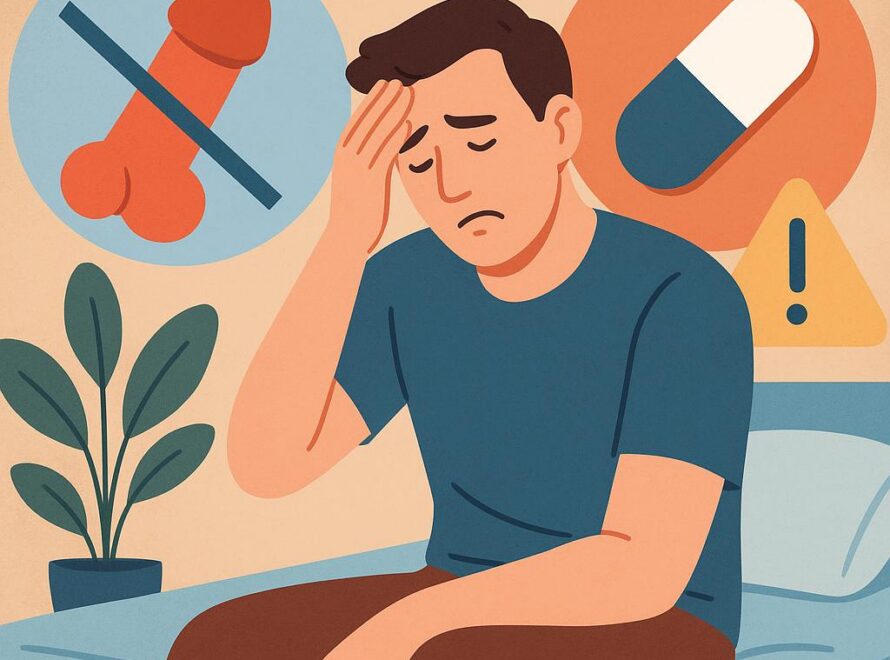
Sexual health is an essential aspect of overall well-being, yet conditions such as premature ejaculation (PE) continue to be misunderstood across the globe. PE, one of the most frequently reported male sexual dysfunctions, affects roughly 30% of men worldwide (Waldinger, 2007). Medically, it is defined as ejaculation occurring within one minute of penetration on most occasions. However, the perception of what qualifies as “too soon” often depends on cultural attitudes and expectations.
This article explores how different societies interpret, manage, and treat PE. By examining ideologies around masculinity, marital responsibilities, and holistic health, we uncover how deeply cultural norms influence both the experience and treatment of premature ejaculation.
PE as a Global Condition with Varied Definitions
While PE is classified within the Diagnostic and Statistical Manual of Mental Disorders, Fifth Edition (DSM-5), medical definitions often contrast sharply with cultural interpretations. Scientific studies have shown the average duration for ejaculation during penetrative sex to be approximately 5.4 minutes (Waldinger et al., 2005). In some societies, this period is considered satisfactory, while in others, it may fall short of perceived expectations.
Cultural ideologies, shaped by traditions, religious beliefs, and media portrayals, significantly affect how men perceive their performance. For instance, in various Central American countries, young men frequently express anxiety about their sexual endurance. This concern is not necessarily rooted in medical definitions but is heavily influenced by machismo ideals that emphasize dominance and control.
Western Perspectives: Performance, Prowess, and Medicalization
In Western nations such as the United States and many parts of Europe, premature ejaculation is commonly viewed through the lens of medical performance. Here, it is seen as a treatable condition, yet the surrounding cultural pressures often associate PE with personal inadequacy.
Popular culture and pornography frequently depict an idealized version of male sexuality—characterized by prolonged intercourse and complete mastery. This portrayal can create unrealistic expectations and lead to feelings of failure among men.
As Dr. Justin Lehmiller of the Kinsey Institute notes, “Media portrayals set men up for failure by promoting myths about how long sex should last and what ‘normal’ looks like.” Fortunately, Western treatment options are diverse, ranging from behavioral therapy and over-the-counter desensitizing solutions to prescription medications such as SSRIs and dapoxetine. Online platforms such as edrugstore.com offer discreet access to these treatments, supporting men in managing PE without stigma.
East Asian Approaches: Energy Flow and Holistic Wellness
In East Asian countries like China, Japan, and South Korea, sexual health is often intertwined with the concepts of energy balance and inner harmony. Premature ejaculation is not merely a biological issue; it is frequently perceived as a disruption of qi, or life energy.
Traditional Chinese Medicine (TCM) treats ejaculation as a release of jing, the body’s vital essence. Excessive or uncontrolled ejaculation may indicate imbalances, such as “kidney yin deficiency.” Treatments focus on restoring balance through practices such as qigong, Tai Chi, breathwork, and the use of herbal remedies like ginseng or rehmannia.
Although these holistic approaches carry less social stigma than in Western settings, they still emphasize self-regulation, which may lead to internal pressures. Nonetheless, the dominant narrative promotes wellness and spiritual alignment over pure performance.
Middle Eastern and South Asian Attitudes: Blending Morality and Masculinity
In the Middle East and South Asia—regions encompassing countries like Saudi Arabia, Pakistan, and India—sexuality is often discussed in hushed tones or embedded within moral and religious frameworks. Nevertheless, the ability to satisfy one’s spouse is crucial and frequently linked to male identity and marital duty.
Due to prevailing taboos, many men are reluctant to seek professional help for PE. However, they may turn to alternative routes such as marital counseling, traditional herbal medicine (Unani or Ayurveda), and spiritual practices. For example, in South Asia, performance issues are sometimes treated through ruqyah (spiritual healing) or tonics made with ashwagandha and other natural ingredients.
Dr. Omar Mahmood, a psychiatrist in Lahore, explains, “In South Asia, the bedroom is often seen as a setting for religious duty as much as pleasure, attaching a deeper emotional and moral significance to sexual performance.”
Clinical approaches like psychotherapy remain underutilized, often due to stigma. Nevertheless, traditional and spiritual treatments continue to offer culturally resonant options.
African Perspectives: Tradition, Community, and Evolving Access
In many African communities, male virility and the ability to reproduce are deeply linked to social identity and respect. As such, premature ejaculation can be viewed not only as a private concern but also as a challenge to a man’s societal role.
Despite limited access to formal sexual education, traditional support systems remain strong. Elders, initiation rites, and folk medicine provide tools and guidance for young men facing performance issues. Remedies often include natural aphrodisiacs derived from local herbs like kola nut or yohimbe.
In regions like Nigeria and Ghana, it is common for men to consult traditional healers who prepare specialized herbal mixtures designed to increase sexual stamina.
With the growing availability of digital tools and mobile health platforms, modern solutions are reaching more men. Websites like edrugstore.com have made discrete, medically approved treatment options more accessible, though cultural influences still strongly guide healthcare decisions.
A Global Shift: Access, Awareness, and Open Conversations
The interconnectedness brought about by globalization, technology, and social media is transforming how men worldwide view and approach premature ejaculation. Younger generations, regardless of location, have increased access to information and are more inclined to seek help openly.
However, cultural silence is not easily broken. Deep-rooted norms continue to delay diagnosis and treatment in many communities. That’s why culturally sensitive healthcare is vital.
Providers who understand the regional and cultural backgrounds of their patients are more likely to build trust and deliver effective treatment outcomes. Navigating whether a patient sees PE as a medical, moral, or spiritual concern can make all the difference in successful care.
Conclusion: Culturally-Informed Care for Global Impact
Premature ejaculation is a universally experienced condition with profoundly localized interpretations. From evidence-based solutions in the West to holistic practices in East Asia, and traditional and spiritual approaches in the Middle East, South Asia, and Africa, the landscape of PE treatment is as diverse as it is complex.
Integrating medical treatment with cultural understanding creates a more inclusive, respectful healthcare experience. Dr. Michael Perelman of Weill Cornell Medical Center emphasizes, “Success in treating PE often depends not just on the treatment itself, but on how well that treatment fits the patient’s cultural beliefs and life context.”
Moving forward, global sexual health efforts must combine education, accessibility, and cultural respect. Empowering men to speak openly and to access treatments that align with their values will help reduce stigma and improve well-being around the world.
References
– Waldinger, M. D. et al. “Premature ejaculation: an evidence-based definition for clinical and research settings.” Journal of Sexual Medicine, 2007.
– Waldinger, M. D. et al. “Intravaginal ejaculatory latency time among men with and without premature ejaculation: an observational study.” J Sex Med, 2005.
– Lehmiller, J. “The Myths of Sexual Performance.” Kinsey Institute, 2020.
– Perelman, M.A. “Medicalized vs. Holistic Approaches to Sexual Dysfunction.” Weill Cornell Medical College, 2019.
– edrugstore.com – Access FDA-approved premature ejaculation treatments online.
Explore tailored treatment solutions for PE at edrugstore.com.