
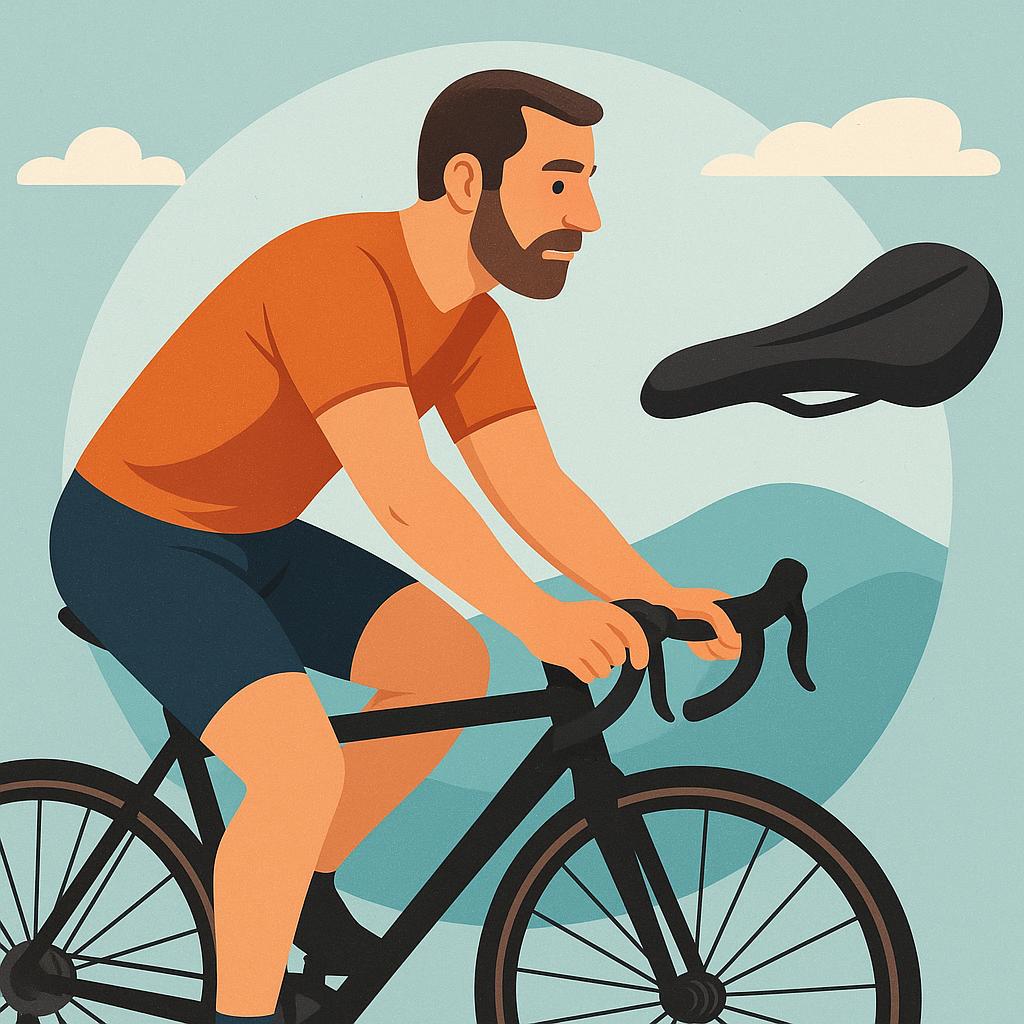
Cycling and Prostate Health: Can Saddle Design Make a Significant Difference?
Introduction to Cycling and Prostate Health
When it comes to cycling, a popular form of exercise for many, concerns about its impact on prostate health often arise. Specifically, questions about how saddle design might influence conditions such as erectile dysfunction and overall urological health have been subjects of interest within the medical community. Understanding how saddle design affects cycling and prostate health can help individuals make informed decisions about their equipment choices.
The Connection Between Cycling and Prostate Health
Cycling is known for its health benefits, such as improving cardiovascular fitness and reducing stress. However, the prolonged pressure exerted by a bicycle saddle on the perineal region can lead to various health concerns. Some research suggests that traditional narrow saddles may compress nerves and blood vessels, potentially contributing to prostate issues and erectile dysfunction.
While cycling itself is not directly linked to causing prostate cancer, it may exacerbate symptoms in those with existing prostate conditions. Recognizing how saddle design influences these outcomes may guide healthier cycling practices.
Impact of Saddle Design on Erectile Dysfunction
Erectile dysfunction can result from multiple factors, including vascular, hormonal, neurological, and psychological influences. When discussing cycling, the pressure from a bicycle saddle, especially one that is poorly designed or too narrow, can impede blood flow and nerve function.
Studies suggest that ergonomic saddle designs, characterized by a wider shape and less pronounced nose, can alleviate pressure on the perineal area. This design modification can potentially reduce the risk of erectile dysfunction by improving circulation and reducing nerve compression during prolonged cycling sessions.
Choosing the Right Saddle for Better Prostatic Health
Selecting an appropriate saddle is essential for minimizing health risks associated with cycling. Men experiencing urological symptoms or concerned about prostate health should consider saddles that prioritize comfort and anatomical support. A saddle with a central cut-out or relief channel can help reduce the pressure on sensitive areas, thereby supporting overall prostatic and urological health.
Experimenting with different saddle designs to suit personal comfort and riding style can further enhance cycling enjoyment while safeguarding health.
Further Considerations and Professional Guidance
While saddle design plays a significant role in mitigating potential health concerns, other factors such as cycling posture and bike fit are also crucial. Seeking professional advice from a urologist or cycling expert can provide valuable insights into personalized strategies for maintaining prostate health while cycling.
Moreover, regular health check-ups and open communication about cycling habits with healthcare providers are advisable for men concerned about prostate health and erectile dysfunction.
Conclusion
Cycling remains a beneficial exercise for men’s health, provided that attention is given to equipment and riding techniques. With the right saddle design and professional guidance, the potential risks related to prostate health can be minimized, allowing individuals to enjoy the advantages of cycling without compromising their well-being.
References
National Institute of Diabetes and Digestive and Kidney Diseases. Erectile Dysfunction.
Mayo Clinic. Erectile Dysfunction.
American Urological Association. Erectile Dysfunction.
Urology Care Foundation. Erectile Dysfunction.
Cleveland Clinic. Biking and Erectile Dysfunction.
