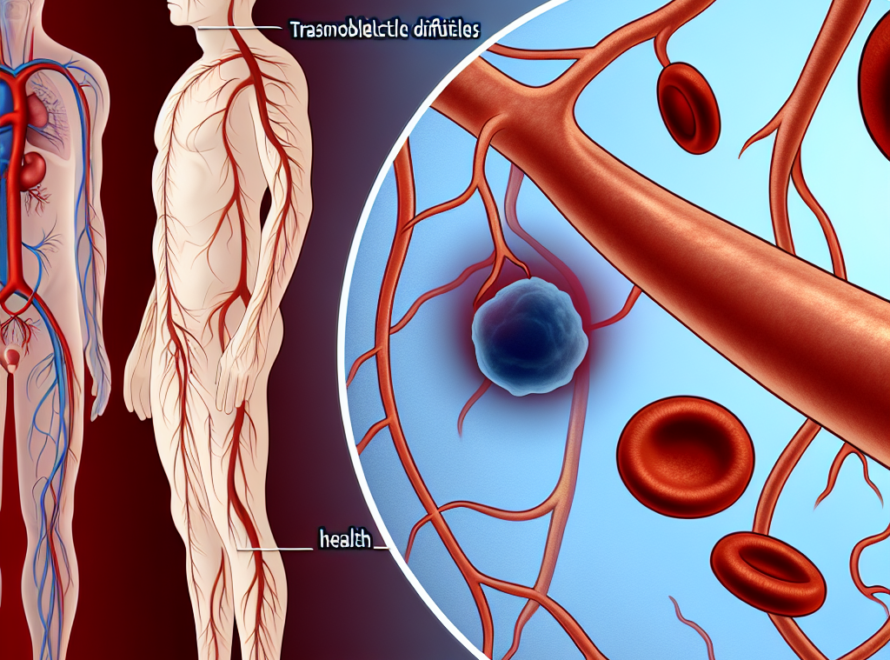
**Understanding Erectile Dysfunction: Differentiating Between Generalized Anxiety and Performance-Specific Stress**
Erectile dysfunction (ED) affects around 30 million men in the United States, impacting individuals across a wide age range. It can be caused by various physical and psychological factors, with anxiety often being a significant component. To treat ED effectively, it’s crucial to determine whether the underlying issue is generalized anxiety or performance-specific stress. In this article, we’ll explore how clinicians differentiate between these two psychological triggers of ED.
### Unraveling the Complexity of Erectile Dysfunction
Erectile Dysfunction is characterized by the inability to achieve or maintain an erection necessary for satisfactory sexual intercourse. The underlying reasons can be intricate, involving both psychological and physiological factors. Clinicians perform comprehensive assessments to determine the root cause, as targeted treatment relies on accurate diagnosis. For instance, ED resulting from heart disease or diabetes may require a different approach compared to psychological influences.
### The Impact of Anxiety on Erectile Dysfunction
Anxiety can significantly impact sexual function, and two primary forms of anxiety are considered when evaluating ED: generalized anxiety and performance-specific stress. Each affects erectile function differently.
### Generalized Anxiety Disorder vs. Performance-Specific Stress
**Generalized Anxiety Disorder (GAD):** This condition involves chronic worry affecting multiple aspects of life, leading to ongoing mental health challenges. According to the Anxiety and Depression Association of America, GAD affects over 6.8 million adults annually.
**Performance-Specific Stress:** Also known as performance anxiety, this form involves fear related to sexual performance capabilities, which can directly impact intimacy.
### Comprehensive History: A Crucial First Step
Clinicians begin the differentiation process by taking a detailed history. They examine the patient’s lifestyle, medical history, and psychological background, considering factors such as:
– Lifestyle and Personal Stressors: Stressors may cause anxiety either broadly or related to specific situations.
– Past Sexual Experiences: Previous sexual performances can reveal patterns linked to anxiety.
– Medical and Psychological History: An existing anxiety disorder may suggest generalized anxiety as a major factor.
### Psychological Evaluation: Tools for Assessment
Psychological evaluations play a critical role in identifying the type of anxiety causing ED. Clinicians may use standardized tests and questionnaires, such as the Generalized Anxiety Disorder 7 (GAD-7) for assessing severity and the Sexual Health Inventory for Men (SHIM) to evaluate the impact of ED on sexual fulfillment and identify anxiety specific to sexual activity.
### Analyzing Symptoms for Clarity
The onset and nature of symptoms provide essential clues:
– **Occurrence:** If ED occurs during non-sexual scenarios alongside broader anxiety symptoms, generalized anxiety might be the cause. If it happens only during sexual encounters, performance-specific stress is more likely.
– **Consistency:** Generalized anxiety often results in ongoing symptoms, whereas performance-specific stress is typically situational.
### Observing Behavioral Cues for Insight
Behavioral changes often accompany anxiety disorders, offering additional insights:
– **Behavioral Symptoms:** General anxiety may manifest as excessive worry in various aspects of life. Dr. Sarah Jones, a renowned psychotherapist, notes, “Observing how men manage daily stress can provide insights into potential strategies for improving sexual health.”
– **Specific Triggers:** If ED is triggered by factors related to sexual performance or intimacy, performance-specific stress could be the underlying cause.
### Tailored Treatment Approaches for Effective Solutions
Once the cause of anxiety is identified, clinicians can tailor treatment plans accordingly:
– **Cognitive Behavioral Therapy (CBT):** Effective for both anxiety types, CBT helps alter thought patterns contributing to stress. The American Psychological Association indicates CBT benefits over 70% of individuals with anxiety disorders.
– **Mindfulness and Relaxation Techniques:** Methods such as meditation and deep breathing can reduce anxiety and improve sexual performance.
– **Pharmacotherapy:** In some cases, medications, including anti-anxiety drugs or phosphodiesterase inhibitors like Viagra, may be recommended for immediate ED relief. For more details on ED medication options, visit edrugstore.com.
### Conclusion: Navigating the Path to Wellness
Effectively assessing and addressing erectile dysfunction involves understanding the psychological factors that impact an individual’s sexual health. Clinicians play a vital role in distinguishing between generalized anxiety and performance-specific stress—two common psychological pressures leading to ED. By combining comprehensive history, psychological evaluation, symptom analysis, and customized treatment strategies, effective solutions are within reach. Open communication with healthcare providers is essential for exploring all paths to mental and physical well-being.
**References:**
1. Anxiety and Depression Association of America. (n.d.). Facts and Statistics.
2. American Psychological Association. (n.d.). Understanding Cognitive Behavioral Therapy.
3. edrugstore.com. (n.d.). Viagra: Understanding the Benefits.