### Understanding Erectile Dysfunction: Transient Vs. Chronic Challenges
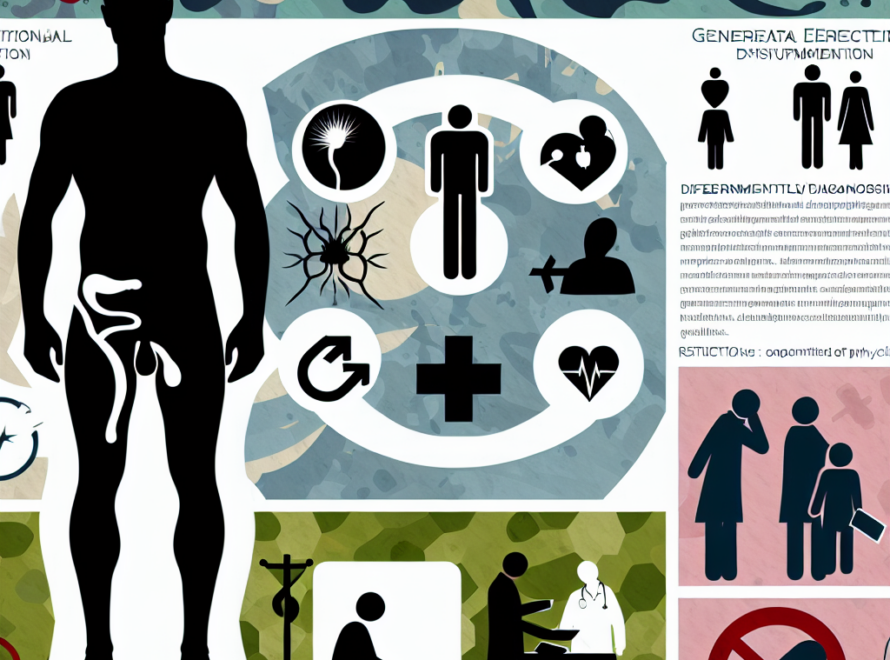
Erectile dysfunction (ED) is a widespread condition impacting millions of men across the globe, with around 30 million men in the United States experiencing some form of ED. Though commonly linked with aging, ED can affect men at any adult stage and vary in intensity. In clinical practice, it is crucial for healthcare providers to differentiate between transient erectile difficulties and chronic erectile dysfunction. “Differentiating between these forms is crucial,” asserts Dr. James Patel, an esteemed urologist, “as it directly influences the treatment strategy and patient outcomes.” Evaluating the impact of intermittent blood flow obstruction and its underlying causes is a key element in this differentiation. Understanding these differences is vital for developing suitable treatment plans that enhance patient quality of life.
### Defining Erectile Dysfunction
Before exploring transient versus chronic ED, it is essential to define erectile dysfunction itself. Erectile dysfunction is characterized by the inability to achieve or maintain an erection sufficient for satisfactory sexual performance. While occasional erection troubles are not uncommon and often resolve without medical treatment, persistent challenges may indicate a deeper health issue. Sustained erectile problems warrant professional evaluation.
### Transient Erectile Difficulties: Temporary Obstacles
Transient erectile difficulties, typically short-term, often stem from temporary circumstances and usually resolve without significant medical intervention.
#### Causes of Transient Erectile Difficulties
1. **Stress and Anxiety**: Performance anxiety or work-related stress may temporarily hinder sexual performance. For example, a demanding job could lead to weekend difficulties that ease with relaxation.
2. **Lifestyle Factors**: Excessive alcohol consumption, smoking, or fatigue from staying up all night can contribute to temporary erectile issues.
3. **Medications**: Certain medications affecting hormonal levels or cardiovascular function can result in intermittent ED.
4. **Fatigue**: Overexertion or lack of sleep can sporadically disrupt sexual function.
Healthcare providers often recommend lifestyle changes to address transient ED, such as reducing alcohol intake or managing stress through mindfulness or counseling. This patient-centric approach focuses on alleviating the root cause rather than merely treating the symptom.
### Chronic Erectile Dysfunction: Persistent Challenges
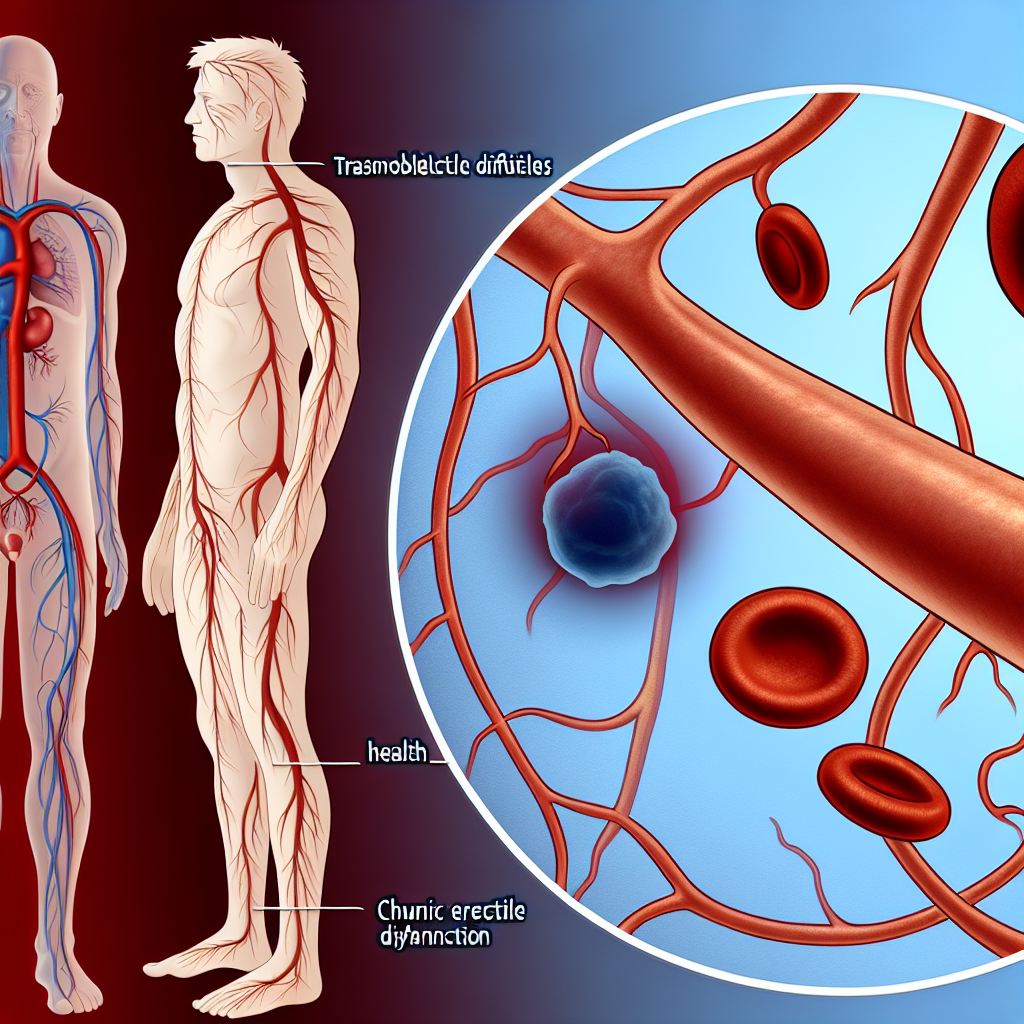
Chronic erectile dysfunction is more persistent and frequently demands a comprehensive investigation and tailored intervention. Healthcare professionals aim to understand the role of intermittent blood flow obstruction and its underlying causes.
#### Causes of Chronic Erectile Dysfunction
1. **Vascular Issues**: Reduced blood flow due to conditions like atherosclerosis or hypertension significantly contributes to persistent erectile difficulties. “Men with vascular diseases are at a higher risk for ED,” explains Dr. Emily Brown, a renowned cardiologist.
2. **Neurological Disorders**: Conditions such as Parkinson’s disease or multiple sclerosis can disrupt the neural signals necessary for an erection.
3. **Hormonal Imbalances**: Long-standing hormonal issues, such as low testosterone, can consistently affect erectile function.
4. **Psychological Factors**: While psychological challenges can trigger transient ED, chronic conditions such as depression can prolong the issue.
5. **Medications and Substance Use**: Long-term use of antidepressants or antihypertensives, along with chronic substance abuse, may lead to persistent erectile difficulties.
### Diagnosis and Treatment
Diagnosing ED typically involves an exhaustive medical history, a physical exam, and potentially some tests, such as blood tests or psychological evaluations. These help identify underlying causes and construct effective treatment strategies. Commonly prescribed medications—such as phosphodiesterase type 5 inhibitors like Viagra or Cialis—are used to enhance blood flow. Hormone therapy might be appropriate in cases of hormonal deficiencies. Furthermore, psychological care through counseling or therapy is often crucial for overcoming psychological barriers. When lifestyle adjustments and medication fall short, alternative options include vacuum erection devices and penile implants.
### Conclusion
Both transient and chronic erectile dysfunction can significantly impact a person’s quality of life. Understanding their key differences and causative factors is vital for devising effective treatment strategies tailored to individual needs. By identifying intermittent blood flow issues and addressing root causes, healthcare providers can offer targeted solutions that restore confidence and improve sexual health. For more information on medications and treatments, visit edrugstore.com. If concerns regarding ED arise, consulting a medical professional is the initial step towards improvement. Open communication and a proactive health approach are essential on the path to recovery.