SEO_TITLE:
Understanding Partner-Related Erectile Dysfunction
SEO_DESCRIPTION:
Explore how frequently changing partner-related erectile dysfunction often indicates psychological rather than physical causes in this comprehensive guide.
FOCUS_KEYPHRASE:
partner-related erectile dysfunction
SLUG:
partner-related-ed-psychological-causes
SOCIAL_TITLE:
Partner-Related ED: Psychological Factors Explained
SOCIAL_DESCRIPTION:
Frequent changes in erectile dysfunction with partners often suggest psychological causes. Learn about symptoms, diagnosis, and treatment options.
WORDPRESS_TITLE:
Understanding Partner-Related Erectile Dysfunction: Psychological Causes
ARTICLE_HTML:
Understanding Partner-Related Erectile Dysfunction
Partner-related erectile dysfunction is a condition where difficulties in achieving or maintaining an erection occur primarily during sexual activity with a specific partner or partners. When the symptoms of erectile dysfunction often change based on the partner involved, it can suggest psychological rather than physical causes. Understanding these factors is crucial for addressing the condition effectively.
Psychological Factors in Erectile Dysfunction
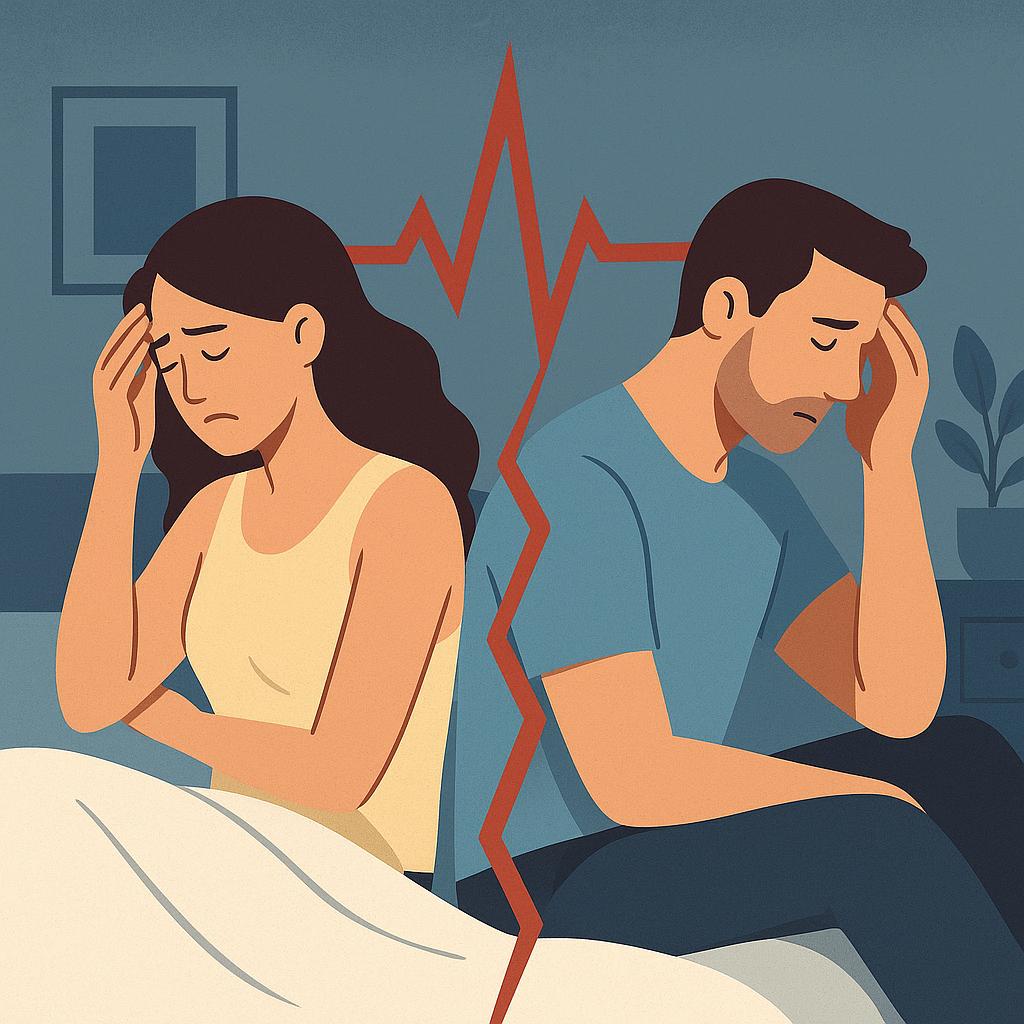
Psychological factors play a significant role in many cases of erectile dysfunction. Stress, anxiety, and emotional conflicts with a partner can contribute to performance issues in the bedroom. In instances where erectile dysfunction shifts with different partners, psychological influences are often at the forefront.
Relationship dynamics may also play a role. Issues such as unresolved conflicts, lack of communication, and relationship dissatisfaction can manifest as erectile difficulties. These issues may not be present with one partner but can surface in another relationship based on the unique dynamics and emotional environment.
Diagnosis and Evaluation
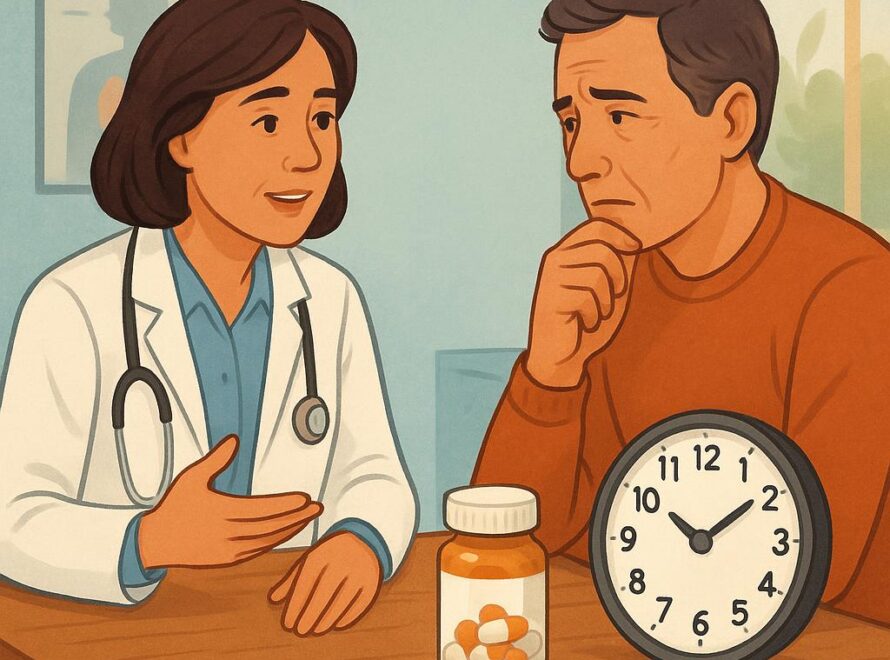
Diagnosing partner-related erectile dysfunction involves a comprehensive evaluation to distinguish between psychological and physical causes. A thorough medical history, focusing on the pattern of erectile difficulties and the presence of relationship stressors, can provide critical insights into the underlying causes.
Healthcare providers may use both questionnaires and psychological assessment tools to gain a deeper understanding of the psychological components contributing to the dysfunction. Physical examinations and blood tests may also be conducted to rule out potential neurological or hormonal causes.
Treatment Options
When psychological factors are identified as contributing to erectile dysfunction, several treatment options may be considered. Counseling or therapy, particularly cognitive-behavioral therapy, can be effective in addressing emotional and psychological barriers to sexual function. These therapies assist individuals in identifying and altering negative thought patterns that impact sexual performance.
Relationship counseling may also be beneficial in addressing communication issues and improving relationship satisfaction. In some cases, a combination of therapy and medication, such as phosphodiesterase type 5 inhibitors, might be recommended. However, it’s crucial that any medication be prescribed and monitored by a healthcare provider.
Prevention and Healthy Lifestyle Choices
Maintaining a healthy lifestyle can assist in preventing or mitigating the impact of psychological erectile dysfunction. Regular exercise, a balanced diet, and adequate sleep can enhance mental well-being and reduce stress levels, contributing to improved sexual health.
Furthermore, fostering open communication with partners about sexual needs and concerns can build stronger relationships and reduce the psychological burden that may lead to erectile dysfunction.
References
National Institute of Diabetes and Digestive and Kidney Diseases. Erectile Dysfunction.
Mayo Clinic. Erectile Dysfunction.
Cleveland Clinic. Erectile Dysfunction.
Urology Care Foundation. Erectile Dysfunction.
American Urological Association. Erectile Dysfunction.