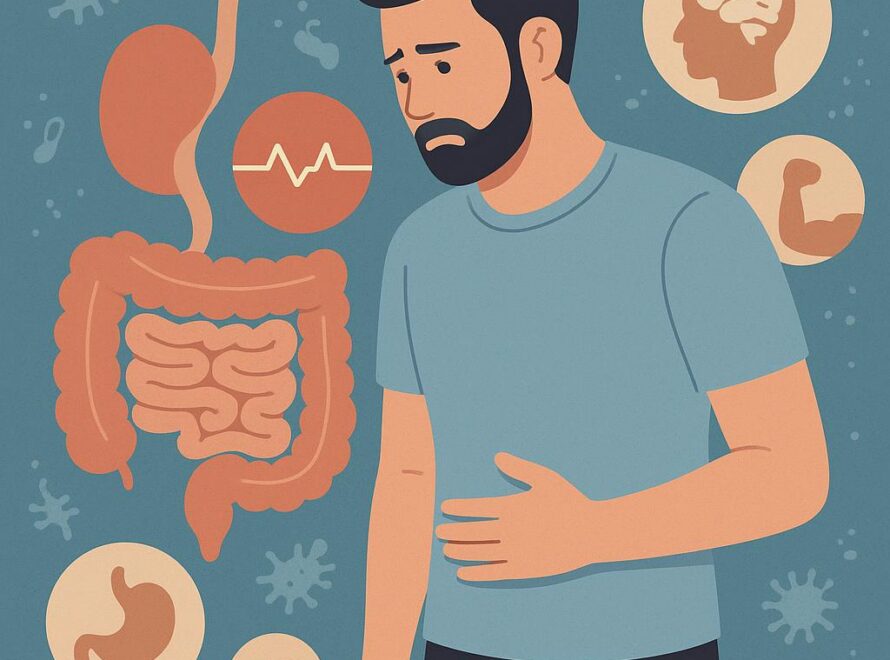

Understanding Premature Ejaculation After Abstinence: What You Should Know
When it comes to sexual health, issues like premature ejaculation (PE) can feel more concerning after taking a break from sexual activity. You might catch yourself asking, “Why is this happening so fast?” The good news is that experiencing PE after a period of abstinence is common—and in most cases, temporary.
In this guide, we’ll help you understand what’s typical, what could indicate a deeper issue, and how to naturally manage premature ejaculation after abstinence. You’ll also find expert-backed tips and helpful resources to support you as you regain your rhythm.
According to the International Society for Sexual Medicine, premature ejaculation affects up to 30% of men globally. So, if you’re experiencing this, you’re not alone.
What Is Premature Ejaculation?
Premature ejaculation is defined as ejaculating sooner than desired—often within the first minute of penetration. It’s one of the most frequently reported sexual dysfunctions in men and can result in frustration, lowered confidence, and relationship stress.
There are two main types of PE:
– Lifelong (Primary): This type begins early in a man’s sexual life and persists into adulthood.
– Acquired (Secondary): This develops after normal sexual functioning and is typically tied to psychological stressors or medical conditions.
For example, a man who previously had no difficulty with ejaculation might begin experiencing issues after a stressful period or a long break from intimacy.
Expert Insight: “While PE can be disruptive, it is very manageable with the right approach. In many cases, especially post-abstinence, it’s simply a temporary reaction that improves naturally.” — Dr. Michael Werner, Board-Certified Urologist, Maze Men’s Health.
Why Premature Ejaculation Can Occur After Abstinence
Surprisingly, experiencing PE after a sexual hiatus is not only common—it’s entirely understandable from both a psychological and biological standpoint. Think of it as your body “rebooting” and needing some time to recalibrate.
Here are some of the key reasons PE may surface after a break from sexual activity:
Heightened Sensitivity
Extended periods without ejaculation can lead to increased sensitivity in the nerve endings of the penis. As a result, stimulation might feel more intense than usual, leading to quicker ejaculation.
For instance, after a few weeks without release, even moderate arousal might trigger climax sooner than expected.
Increased Mental Arousal
The anticipation of being sexually active again can create a build-up of excitement or tension. This emotional intensity may lead to quicker-than-usual ejaculation during the first few sexual encounters.
Reduced Ejaculatory Threshold
Think of it like muscle memory—without regular sexual activity, the body can temporarily lose fine control over ejaculatory timing. Returning to a more consistent routine can help reset this response.
Performance Pressure
After a time away from sex, some men experience performance anxiety. Worrying about stamina, erection quality, and satisfying a partner can significantly impact sexual performance, sometimes resulting in PE.
What Is Considered Normal After Abstinence?
Fortunately, experiencing premature ejaculation after a period of abstinence is rarely a cause for serious concern. Here are signs that it’s likely a harmless, short-lived issue:
– Occasional early ejaculation that lessens after a few sexual experiences
– No other concerning symptoms like persistent pain, erectile dysfunction, or low libido
– Gradual improvement with regular sexual activity or masturbation
A 2017 study in The Journal of Sexual Medicine noted that over 70% of men experiencing PE after abstinence saw marked improvement after two to three encounters.
If you notice enhanced stamina and better control after a few sexual experiences, your body is likely just adjusting back to the activity.
When PE May Indicate a Underlying Concern
While occasional PE is not unusual, it’s worth seeking a deeper evaluation if symptoms persist. You should consider professional help if:
– PE continues despite returning to regular sexual activity
– You also experience reduced libido or erectile difficulties
– It causes significant personal or relationship distress
– PE starts suddenly when you haven’t had an issue before
Underlying causes such as hormonal imbalances, chronic stress, prostatitis, or a psychological trigger may be involved. Consulting a healthcare provider or sex therapist is a wise next step if these signs appear.
A reliable online resource for confidential support is edrugstore.com, which offers educational materials and sexual health treatment options.
Effective Tips to Manage PE After a Sexual Break
The good news is many men regain control over their ejaculation naturally. Here are some tried-and-true methods you can use to improve sexual stamina and enjoy a more satisfying experience:
1. Regular Ejaculation
Whether through masturbation or sex, regular ejaculation helps your body get used to stimulation levels again. This reconditioning can help improve timing and control.
2. Stop-Start Technique
This widely recommended method involves bringing yourself close to climax, then stopping and resting until the urge subsides. Repeat this process two to three times during a session before allowing climax. With time, this helps train your body to delay ejaculation.
3. Squeeze Technique
As you’re nearing climax, apply gentle pressure to the base or tip of the penis. This can help reduce arousal and delay ejaculation. Involving your partner in this technique can make it more effective and intimate.
4. Emphasize Foreplay
Taking time with foreplay not only builds emotional connection but also shifts the focus away from penetration and ejaculation, reducing pressure and improving your overall experience.
5. Open Communication With Your Partner
Sharing your concerns can foster understanding, intimacy, and teamwork. Many partners are more supportive than you might think, and this conversation can make you both feel more connected and relaxed.
Pro Tip: Don’t feel pressured to jump straight into intercourse. Rebuilding sexual confidence can begin with slower, low-pressure forms of intimacy.
Building Confidence and Moving Forward
Premature ejaculation after abstinence is often just part of the process of resuming sexual activity. The key is to stay relaxed, communicate openly, and give yourself the time your body needs to adjust.
If symptoms persist or worsen, don’t hesitate to seek professional help. Discreet, confidential resources like edrugstore.com offer everything from therapy options to prescription treatments to help you find the right solution.
Remember, temporary setbacks don’t define your sexual health. With patience, awareness, and the right tools, you can regain control and confidence at your pace.
Resources Cited
1. International Society for Sexual Medicine. “Premature Ejaculation: How Common Is It?” (https://www.issm.info)
2. Maze Men’s Health. Dr. Michael Werner, Urologist. (https://www.mazemenshealth.com)
3. Porst, H., Montorsi, F., et al. (2017). “Premature Ejaculation and Its Management.” The Journal of Sexual Medicine.
Your Takeaway
Premature ejaculation is one of the most common concerns men face, especially after a break from sex. The good news? It’s usually temporary, very treatable, and nothing to feel ashamed about. With the right techniques and a bit of patience, you can regain control and enjoy a satisfying sex life once again.