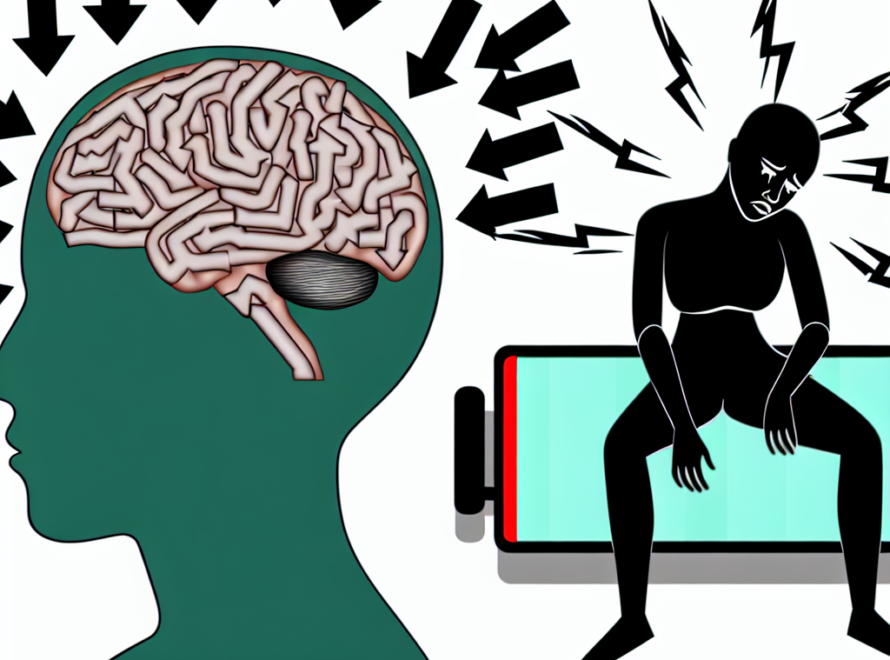
Understanding the Link Between Testosterone and Premature Ejaculation
Premature Ejaculation (PE) is one of the most common male sexual health concerns, affecting approximately 30% to 40% of men at some point in their lives (Porst et al., 2007). Despite its prevalence, many men hesitate to seek treatment due to embarrassment or the stigma around sexual dysfunction.
One frequently asked question is: Does low testosterone cause premature ejaculation? Since testosterone is often considered a key hormone in male performance, it’s natural to explore whether it plays a direct role in PE. In the following sections, we’ll break down the science behind testosterone and its actual connection to PE.
What Is Testosterone and How Does It Affect Men’s Health?
Testosterone is a crucial hormone for male development and sexual function. Produced mainly in the testes, it supports puberty, muscle growth, libido, sperm production, and even emotional well-being. Levels typically peak in early adulthood and gradually decrease after age 30.
When testosterone levels dip below the normal range—a condition known as hypogonadism—men may experience fatigue, low sex drive, erectile dysfunction, and irritability. But does low testosterone cause PE?
According to Dr. Michael Werner, a board-certified urologist who specializes in male sexual health, “While testosterone plays a large role in sexual desire, it isn’t the key hormone regulating ejaculatory control.”
What Exactly Is Premature Ejaculation?
Premature ejaculation is defined as ejaculation that happens within about one minute of penetration or occurs sooner than a man or his partner desires, often leading to frustration and emotional distress (American Urological Association, 2022).
There are two main types of PE:
– Lifelong (Primary) PE: Present from a man’s first sexual encounters.
– Acquired (Secondary) PE: Develops later in life, usually due to stress, medical conditions, or psychological issues.
Common causes include:
– Performance anxiety or stress
– Depression or emotional turmoil
– Sensitivity of the penis
– Hormonal issues
– Hereditary factors
Although testosterone is involved in overall sexual health, no consistent research has shown it to be the direct cause of PE.
Exploring the Research on Testosterone and Premature Ejaculation
The potential relationship between testosterone levels and premature ejaculation is not well defined. Some scientific studies have found little to no correlation, while others suggest nuanced connections.
Breaking it down:
– Research has consistently shown that low testosterone is usually linked with low libido and erectile difficulties, but not necessarily premature ejaculation (Corona et al., 2009).
– In contrast, some evidence indicates that elevated testosterone might be associated with quicker ejaculation. The theory is that high testosterone levels may shorten ejaculatory latency time.
Dr. Andrew McCullough, a professor of urology, explains, “There’s no consistent evidence that low testosterone causes PE. Other neurotransmitters, especially serotonin, have a stronger association.”
Low serotonin levels are more directly linked to premature ejaculation, which is why selective serotonin reuptake inhibitors (SSRIs) are often prescribed. These medications help increase serotonin and can effectively lengthen the time to ejaculation.
What Do Clinical Studies Say About Testosterone and PE?
Scientific studies exploring the impact of testosterone on ejaculatory control offer mixed insights:
– A 2012 study published in the Journal of Sexual Medicine found no major difference in testosterone levels between men with and without PE.
– A 2015 study suggested there may be a link between high testosterone and PE, but emphasized the need for additional, in-depth research.
The Sexual Medicine Society of North America offers clear guidance: “We generally don’t recommend checking testosterone levels in men with PE unless they also report symptoms like low libido or unusual fatigue.”
If you’re experiencing these symptoms or are curious about testosterone testing options, visit edrugstore.com. The platform offers discreet, convenient access to licensed healthcare professionals for personalized solutions.
When Could Testosterone Therapy Be Helpful?
Testosterone Replacement Therapy (TRT) is not generally the first-line treatment for premature ejaculation. However, for men exhibiting symptoms of low testosterone—such as fatigue, lack of interest in sex, or erectile issues—there might be an underlying hormonal deficiency worth addressing.
In scenarios where men with PE also show signs of hypogonadism, TRT can improve overall sexual wellness. This may lower stress levels and performance pressure, indirectly benefiting those struggling with PE.
Dr. Abraham Morgentaler, an associate clinical professor of urology at Harvard Medical School, says, “Testosterone therapy may enhance sexual desire and motivation, which can improve performance anxiety—a common cause of premature ejaculation.”
TRT, however, should only be considered after thorough blood testing and medical evaluation.
Other Effective Treatments for Premature Ejaculation
Fortunately, premature ejaculation is highly treatable. Many therapies are safe, effective, and can be customized to fit an individual’s needs:
– Behavioral Techniques: Methods like the “start-stop” or “squeeze” technique can improve ejaculatory control over time.
– Psychological Counseling: Therapy can help address relationship struggles, stress, and anxiety that may be contributing to PE.
– Topical Numbing Creams: These reduce penile sensitivity and can help delay ejaculation.
– SSRIs: Medications like paroxetine or sertraline are commonly prescribed for PE due to their effect on serotonin regulation.
– Pelvic Floor Exercises: Strengthening these muscles has been shown to provide better control over ejaculation.
Often, combining several of these approaches leads to the best long-term results.
Is Testosterone Really the Cause of Premature Ejaculation?
After reviewing expert opinions and clinical research, the conclusion is clear: testosterone is not typically the root cause of premature ejaculation.
Key takeaways:
– Low testosterone may reduce sexual desire but does not appear to cause premature ejaculation directly.
– Neurological and psychological factors, particularly low serotonin levels, have a stronger connection to PE.
– Treatments such as SSRIs, counseling, behavior therapy, and lifestyle management are more effective than hormone therapy for most men.
If you suspect low testosterone could be a factor in your sexual health, it’s wise to consult a qualified medical professional. For discreet and reliable telehealth services, including customized treatment for PE, visit edrugstore.com.
Remember, premature ejaculation is entirely treatable. The first step is speaking up and exploring what works best for your individual situation.
References
– Porst, H., Montorsi, F., et al. (2007). “Premature ejaculation: definitions, prevalence and treatment strategies.” The Journal of Sexual Medicine.
– American Urological Association (2022). “Premature Ejaculation: Diagnosis and Treatment.” AUA Clinical Guidelines.
– Corona, G., Mannucci, E., et al. (2009). “Hypogonadism, ED, PE—what’s the link?” Journal of Endocrinological Investigation.
– Valls, R. et al. (2014). “Neurotransmitter Contributions to Ejaculatory Control.” Frontiers in Pharmacology.
– McCullough, A., MD. (Interview quote).
– Morgentaler, A., MD. (Harvard Medical School).
– Sexual Medicine Society of North America. “Premature Ejaculation Treatment Guidelines.”
This optimized, web-friendly version is ready to publish on your site. Let us know if you’d like to repurpose it for email campaigns, social posts, or downloadable guides.