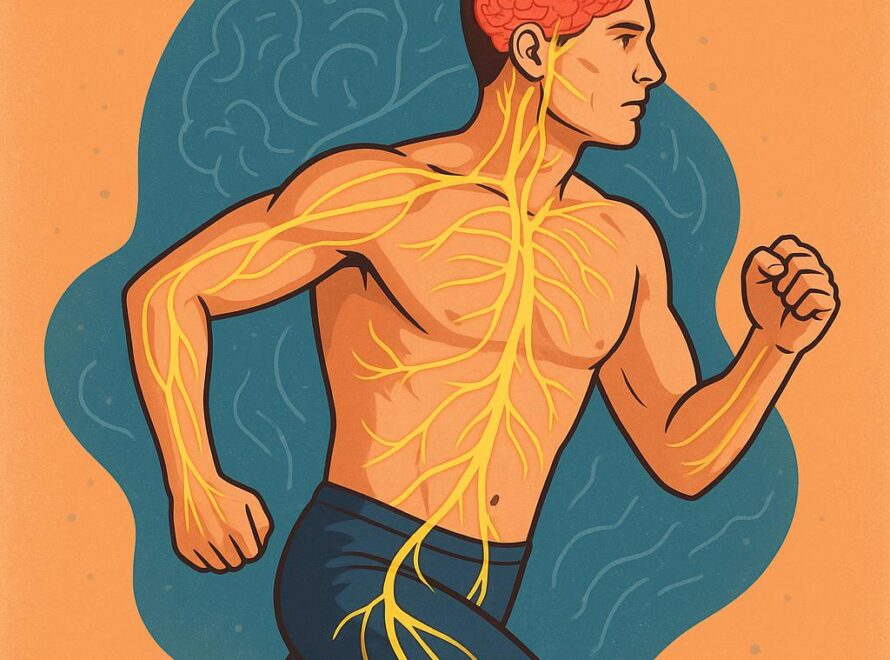

Understanding the Connection Between PE and Testosterone
Premature ejaculation (PE in men) is one of the most common forms of male sexual dysfunction, affecting approximately 30% of men worldwide, according to a 2018 study in the International Journal of Impotence Research. While the causes of PE can vary—ranging from psychological triggers to physiological imbalances—there is growing attention on how testosterone levels may influence premature ejaculation. Testosterone, commonly referred to as the “male hormone,” plays a vital role in sexual function, but is there a direct connection between testosterone and PE?
This article explores current research, looks at effective PE treatments, and offers real-world advice for men aiming to improve sexual performance and overall well-being.
What Is Premature Ejaculation?
Premature ejaculation is defined by the International Society for Sexual Medicine (ISSM) as ejaculation that occurs within one minute of penetration, combined with difficulty in delaying ejaculation and emotional distress. This condition can significantly affect self-esteem, relationship satisfaction, and emotional health.
There are two predominant forms of PE:
1. Lifelong (Primary) PE – Present from the first sexual experience.
2. Acquired (Secondary) PE – Develops later and is often associated with stress, medical conditions, or psychological factors.
For example, a man in his early 30s might experience sudden PE due to job-related stress or underlying health conditions, such as an overactive thyroid.
Concerns about hormonal imbalances—including low testosterone—are common among men dealing with PE, prompting many to seek medical evaluation.
The Role of Testosterone in Male Health
Testosterone is a crucial male hormone responsible for a wide range of bodily functions, including sexual desire, sperm production, muscle strength, and mood regulation. The hormone is mainly produced in the testicles and tends to peak during adolescence and early adulthood. After age 30, testosterone levels usually decline by about 1% per year.
Common signs of low testosterone (Low T) in men include:
– Decreased libido
– Fatigue or low energy
– Erectile dysfunction
– Depressed mood or irritability
– Loss of muscle mass
“As testosterone levels drop, sexual energy and performance can decline, but that doesn’t necessarily mean PE is caused directly by low testosterone,” explains Dr. Mark R. Goldstein, a urologist affiliated with Harvard Medical School.
Is There a Scientific Link Between Testosterone and PE?
Research on the association between testosterone and premature ejaculation has produced mixed results. Some early studies suggested that higher testosterone levels might be associated with quicker ejaculation due to heightened sexual responsiveness. On the other hand, newer studies have shown that low testosterone can impair ejaculatory control in some men.
One study found that men diagnosed with both low testosterone and PE experienced better control over ejaculation after beginning testosterone replacement therapy (TRT). Yet, a 2020 review in Sexual Medicine Reviews concluded, “The existing body of research does not support a direct cause-effect relationship between testosterone and PE. PE is likely multifactorial, with hormones playing a secondary role.”
Hormone therapy may be beneficial but should only be considered if a medical professional has confirmed testosterone deficiency. Misuse or overuse of testosterone treatments can lead to unintended side effects.
Other Major Causes of Premature Ejaculation
Although hormone levels do play a role, PE is typically driven by a combination of psychological, neurological, and lifestyle-related factors. Some of the most common contributors include:
– Psychological issues: Anxiety, depression, and performance-related stress are leading causes of PE.
– Neurochemical factors: Low serotonin levels can reduce ejaculatory control.
– Medical conditions: Disorders like prostatitis or hyperthyroidism may interfere with sexual function.
– Unhealthy lifestyle habits: Smoking, excessive alcohol, poor diet, and lack of physical activity can negatively impact sexual performance.
For example, a 2021 study showed that men who exercised regularly (at least three times per week) reported improved control over ejaculation compared to sedentary individuals—even when testosterone levels were similar.
Ultimately, premature ejaculation is usually the result of multiple overlapping influences.
Does Testosterone Therapy Help Treat PE?
Testosterone replacement therapy (TRT) may support sexual health improvements for men with confirmed low testosterone. Studies published in the Journal of Urology have demonstrated that men undergoing TRT often report better libido, stronger erections, and prolonged ejaculation time.
However, TRT is not approved by the FDA as a direct treatment for PE. It is prescribed specifically for managing testosterone deficiency. Side effects of TRT may include:
– Elevated red blood cell counts (polycythemia)
– Acne or skin irritation
– Worsening conditions like sleep apnea
– Reduced fertility and shrinking testicles
“Testosterone therapy is not a miracle pill for premature ejaculation. It should be considered responsibly and only when lab values confirm a hormonal need,” advises Dr. Andrew McCullough, a sexual medicine expert at NYU.
Before starting any hormone therapy, ensure you complete a thorough hormonal analysis and consult a licensed medical provider.
Alternative Treatments for Premature Ejaculation
If your testosterone levels are within normal range, or if you prefer non-hormonal solutions, there are several effective treatment options for PE:
– Behavioral training: Practicing techniques like the “start-stop” or “squeeze” method can enhance ejaculation control.
– Cognitive-behavioral therapy (CBT): Therapy focused on reducing anxiety and session-related stress can improve sexual performance.
– SSRI medications: Antidepressants such as paroxetine or sertraline are frequently prescribed off-label to prolong ejaculation by several minutes.
– Topical desensitizing creams: Products containing lidocaine or prilocaine help reduce penile sensitivity.
– Pelvic floor therapy: Exercises like Kegels, designed to strengthen pelvic muscles, are often beneficial for improving sexual stamina.
Urologists commonly recommend combining medication with behavioral therapy for optimal results.
A Balanced and Individualized Approach Works Best
So, does testosterone cause premature ejaculation? In most cases, the answer is no. While testosterone plays a supportive role in sexual health, current research indicates that it is not typically the sole cause of PE.
Instead, premature ejaculation is usually influenced by numerous factors—both physical and emotional. If you’re dealing with persistent symptoms, the best next step is to seek a comprehensive medical assessment. This should include a complete hormone panel, physical examination, and a discussion of treatment preferences.
Effective management of PE often requires a multidimensional treatment plan that may include therapy, medication, lifestyle modifications, and hormonal evaluation when appropriate.
You are not alone—premature ejaculation is a common condition, and it is treatable.
Where to Get Help Online
Want to explore discreet treatment options from the comfort of your home? Visit eDrugstore.com to access licensed telehealth consultations, order FDA-approved PE medications, and receive deliveries directly to your door.
References
– Serefoglu EC, et al. (2020). Premature Ejaculation: A Review of Pathophysiology and Treatment. Sexual Medicine Reviews.
– Waldinger MD. (2017). Premature Ejaculation: Definitions and Theories. International Journal of Impotence Research.
– Journal of Urology. (2019). Effects of Testosterone on Sexual Function in Hypogonadal Men.
– ISSM Guidelines on Premature Ejaculation. (2022). International Society for Sexual Medicine.
– McMahon CG, et al. (2021). Psychological and Pharmacological Approaches to PE. BJU International.