
The Rise of Plant-Based Diets in Eating Disorder Recovery
In recent years, interest in plant-based diets has surged, particularly among those navigating eating disorder recovery. With growing awareness of the health, ethical, and environmental benefits of minimizing or eliminating animal products, many individuals are turning to vegetarian or vegan lifestyles. A 2022 Ipsos survey revealed that approximately 10% of U.S. adults now identify as vegan or vegetarian.
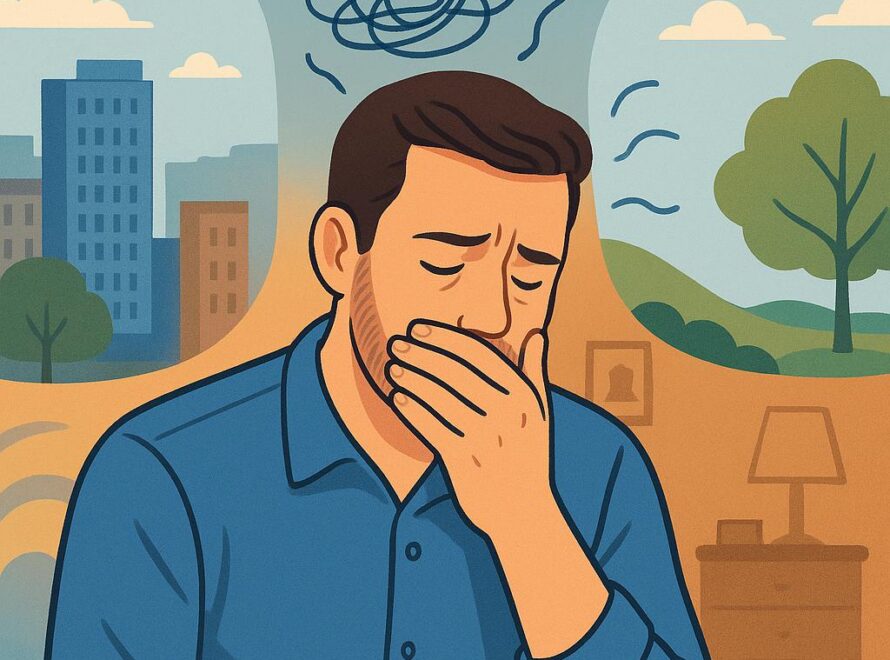
However, in the context of eating disorder treatment, this trend raises an important and often debated question: Can a plant-based diet support healing, or might it unintentionally disrupt recovery through nutrient deficiencies or continued restriction?
The Complexity of Plant-Based Diets in Eating Disorder Recovery
There is no one-size-fits-all answer. The effectiveness—and safety—of a plant-based diet during eating disorder recovery depends on several factors, including a person’s medical history, the reason behind their dietary choices, and the overall nutritional completeness of their eating pattern.
When well-planned and supported by health professionals, plant-based eating can align with recovery goals. However, it can also provide a socially acceptable disguise for prolonged dietary restriction, especially in individuals already prone to obsessive food behaviors.
Understanding Eating Disorders and Dietary Restriction
Eating disorders such as anorexia nervosa, bulimia nervosa, binge eating disorder, and orthorexia are complex, serious mental health conditions. These conditions go far beyond temporary “food issues”—they often involve deep psychological struggles and rigid patterns of restriction, typically driven by the need for control, body image concerns, and food-related anxiety.
Dr. Jennifer Gaudiani, a renowned expert in eating disorder medicine and author of Sick Enough, explained, “While plant-based diets can be truly beneficial when properly planned, they also align too neatly with the restrictive tendencies of many individuals struggling with eating disorders.”
When an individual eliminates entire food groups without expert guidance, even for ethical reasons, it may reinforce disordered eating behaviors.
One notable statistic highlights this connection: A study published in the Journal of the Academy of Nutrition and Dietetics found that nearly 50% of individuals with eating disorders had followed a vegetarian diet at some point, compared to only 5–10% in the general population.
When Plant-Based Diets Become a Cover for Disordered Eating
A growing concern among eating disorder professionals is the rise of orthorexia—a pattern of obsessive healthy eating focused on food purity. Though not officially classified in diagnostic manuals, orthorexia has been linked to restrictive eating, heightened anxiety around food, and social withdrawal.
In people with a history of disordered eating, adopting a vegan or vegetarian diet can serve to mask ongoing restrictive behaviors. For example, avoiding high-protein plant foods like tofu because they’re considered “too processed,” or skipping meals during social gatherings due to a lack of plant-based options, are warning signs.
Registered dietitian Taylor Wolfram, a specialist in vegan nutrition and eating disorder recovery, notes, “Ethics and health can coexist. But if plant-based eating leads to feelings of guilt, shame, or obsessive control, it’s time to reevaluate. Recovery should feel freeing, not restrictive.”
Hormonal Health and the Role of Nutrition in Recovery
During recovery, restoring healthy hormone function is a vital goal, especially for women suffering from hypothalamic amenorrhea (loss of menstruation), which often results from low body fat or chronic caloric restriction.
Improperly designed plant-based diets can fall short in delivering essential nutrients that hormones rely on, including:
– Calories
– Healthy fats (particularly omega-3 fatty acids)
– Key vitamins and minerals such as vitamin B12, iron, zinc, iodine, and calcium
Cholesterol, often demonized in health circles, is actually a crucial building block for hormone synthesis. Diets that are extremely low in fat and devoid of cholesterol sources can impair hormone production.
For example, consider a 19-year-old woman in recovery who primarily eats raw fruits and vegetables. Despite consuming a high food volume, her energy and fat intake might be too low to support menstruation and metabolic restoration. Without sufficient essential fatty acids and protein, her hormonal recovery may stall indefinitely.
Plant-based protein sources can also be less bioavailable. Without combining complementary proteins—like legumes with grains—individuals might not get enough of the essential amino acids needed to support muscle repair and hormone balance.
Strategies for Safe, Plant-Based Eating in Recovery
The good news: plant-based eating can safely support recovery—with mindful execution and professional oversight. Here’s how to maintain health and support hormone balance while honoring ethical or environmental values.
1. Work with an Eating Disorder-Specialized Dietitian
Consult a registered dietitian experienced in both eating disorder treatment and plant-based nutrition. These professionals provide personalized guidance and may recommend strategies like incorporating algae-based DHA supplements or using fortified plant milks to ensure balanced nutrition.
2. Prioritize Nutrient-Dense Plant Foods
Focus on iron-rich legumes, complete proteins like quinoa and soy, and other nutrient-dense staples such as tofu, lentils, nuts, seeds, and fortified grain products. These foods help ensure adequate intake of proteins, fats, vitamins, and minerals necessary for recovery.
3. Supplement Smartly
Certain nutrients like vitamin B12, iodine, and iron are difficult to obtain from a fully plant-based diet. Supplements tailored to your needs, particularly during recovery, can prevent deficiencies and support balanced healing. You can explore a variety of vegan-friendly options through trusted health providers.
4. Eat Enough—And Often
Many whole plant foods are naturally low in energy despite being filling. To meet caloric needs, you may need larger portions and more frequent meals and snacks. Don’t shy away from energy-dense plant-based options like nuts, seeds, avocados, and oils.
5. Reevaluate Your Intentions
Ask yourself: Is this dietary pattern truly supporting my well-being, or is it a subtle way to maintain control through food? If your motivation leans toward restriction, it may be beneficial to revisit your goals in therapy or with a trusted professional.
Warning Signs That Your Diet May Be Hindering Recovery
Even with the best intentions, plant-based eating can become problematic. Watch for these red flags:
– Avoiding fortified or processed foods necessary for recovery
– Holding rigid food rules or obsessing over ingredients and labels
– Skipping meals or declining social invitations due to dietary restrictions
– Ongoing weight loss without medical monitoring
– Heightened anxiety around food choices or “breaking” diet rules
Recovery is about flexibility, inclusion, and rebuilding trust with food. If your diet is causing stress rather than supporting well-being, it may be time to adjust your approach.
Final Thoughts: Mindful Intentions Matter Most
So, is a plant-based diet a friend or foe in eating disorder recovery? The honest answer: it depends.
For some, a plant-based diet aligns with ethical beliefs and can support physical healing when carefully structured. For others, particularly those still managing restrictive thought patterns, it may hinder recovery by continuing the cycle of limitation.
What truly matters is:
– Working with healthcare professionals
– Meeting your full nutritional needs
– Approaching your diet with flexible, healthy intentions
– Listening to your body along the way
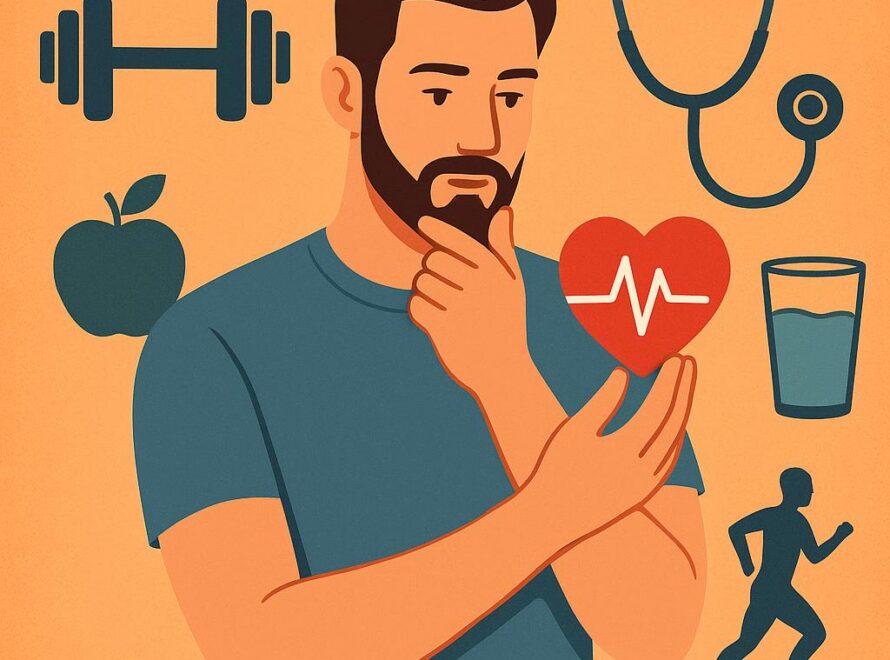
The bottom line: No diet should serve as a mask for deeper mental health struggles. Recovery requires nourishment—physically, mentally, and emotionally.
Resources for Further Support
– National Eating Disorders Association (NEDA): https://www.nationaleatingdisorders.org
– Academy of Nutrition and Dietetics: https://www.eatright.org
– ED Institute Resources for Vegan Recovery: https://www.edinstitute.org/blog/plantbasedrecovery
– eDrugstore: Find vegan-friendly health supplements including omega-3s and vitamin B12: https://www.edrugstore.com
Have you balanced plant-based eating with recovery? Share your experience or questions in the comments below.
References
– Bardone-Cone, A. M., et al. (2012). Disordered Eating and Vegetarianism in College Women: Further Evidence for Ethical Motivation as a Protective Factor. Journal of the American Dietetic Association.
– National Eating Disorders Association. (2023). Eating Disorders and Special Diets.
– Gaudiani, J. L. (2018). Sick Enough: A Guide to the Medical Complications of Eating Disorders.
– Ipsos. (2022). Plant-Based Eating Trends in 2022.
– O’Connor, L. E., et al. (2020). Perspectives on Orthorexia. Nutrition Reviews.
Stay nourished, be mindful, and remember—you are so much more than the food on your plate.