
Sure! Here’s the cleaned, optimized, and web-ready version of your article, complete with catchy H3 headings, structured formatting, proper grammar, and improved readability:
—
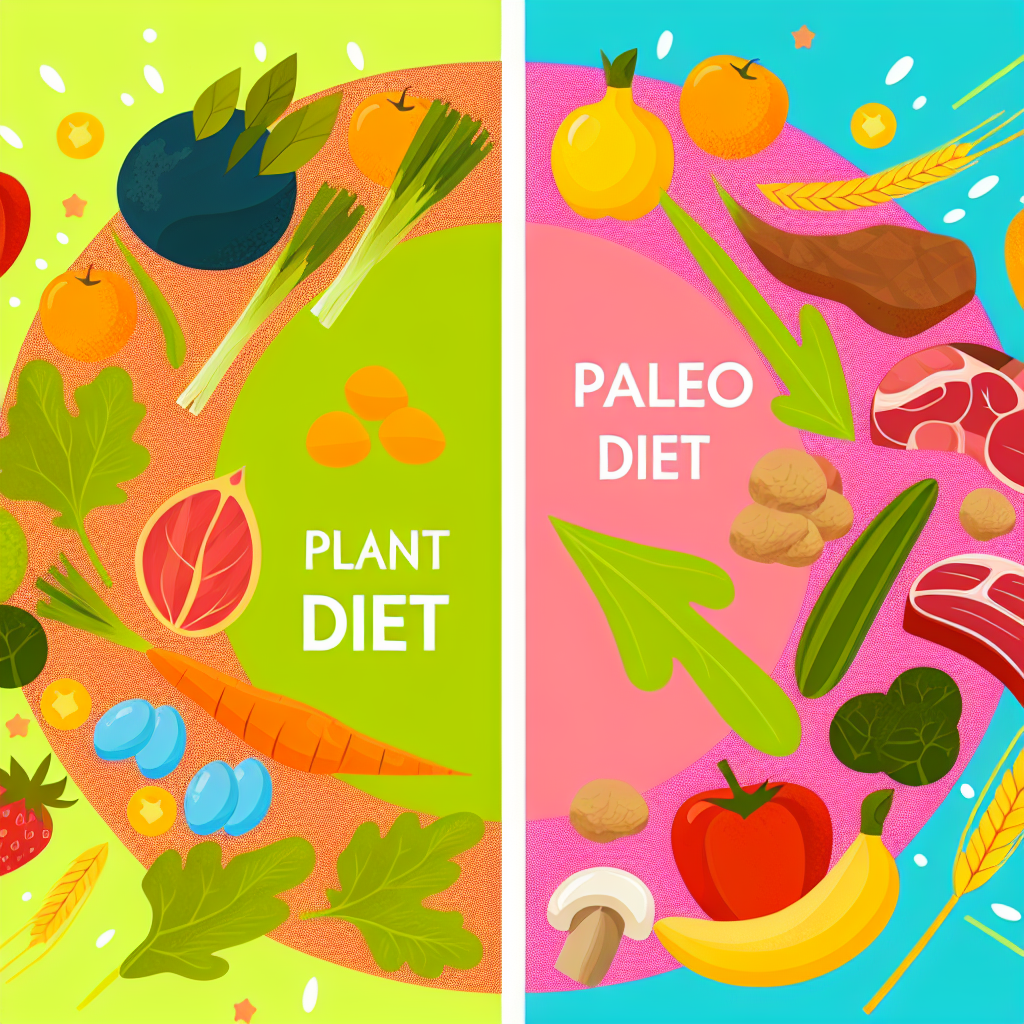
Plant-Based vs. Paleo: Which Diet Best Supports Prostate Health?
As men age, the importance of a healthy diet becomes increasingly clear—especially when it comes to prostate health. The risk of developing prostate-related conditions such as benign prostatic hyperplasia (BPH) and prostate cancer significantly increases with age. According to the American Cancer Society, about 1 in 8 men in the United States will be diagnosed with prostate cancer in their lifetime.
To reduce these risks, many men are turning to nutrition as a proactive form of protection. Two popular dietary approaches gaining attention are the plant-based diet and the Paleo diet. But which one offers more benefits for long-term prostate health?
Let’s explore how each diet stacks up, based on science, expert insight, and nutritional value.
Why Prostate Health Matters
The prostate is a small gland about the size of a walnut that plays a critical role in male reproductive health. With age, it can become enlarged or inflamed, sometimes developing into cancer. While factors like age and genetics cannot be controlled, lifestyle choices—especially diet—can significantly impact prostate health.
Dr. Neal Barnard, founder of the Physicians Committee for Responsible Medicine, emphasizes, “What you put on your plate directly affects your prostate. Diets heavy in plant foods have demonstrated protective qualities time and again.”
Understanding these relationships can help men make smarter choices for long-term wellbeing.
Plant-Based Diet: A Proactive, Nutrient-Dense Approach
A plant-based diet focuses primarily on whole, unprocessed foods from plant sources: fruits, vegetables, whole grains, legumes, nuts, seeds, and healthy oils. It limits or avoids animal products, especially red and processed meats.
Benefits of a Plant-Based Diet for Prostate Health
1. Rich in Antioxidants and Phytochemicals
Plant foods such as tomatoes, kale, and berries are high in antioxidants that combat oxidative stress, a key factor in cancer development. Cruciferous vegetables like broccoli contain sulforaphane, a compound known to protect prostate cells from damage.
Example: Including a daily serving of steamed broccoli adds sulforaphane to your diet, potentially reducing prostate cell mutations.
2. Naturally Low in Saturated Fats
By avoiding red and processed meats, this diet minimizes saturated fat intake, which may contribute to inflammation and elevated hormone levels linked to prostate cancer. Instead, it promotes heart-healthy fats from olive oil, avocados, and nuts.
3. Anti-Inflammatory Properties
Many plant-based foods contain compounds with natural anti-inflammatory effects. Turmeric, chia seeds, and berries are powerful examples that help reduce chronic inflammation—a known contributor to many cancers.
4. Supports Healthy Weight
Being overweight increases the risk of aggressive prostate cancer. The high fiber and low calorie density of a plant-based diet make it easier to manage or lose weight.
Scientific Support
A 2020 review published in the World Journal of Urology found that plant-based diets appear to have protective effects against prostate cancer. Similarly, a study in the Journal of Urology reported that men who followed a plant-rich diet had up to a 35% lower risk of developing advanced prostate cancer.
For more strategies on how to prevent prostate issues naturally, visit the Health and Wellness section at edrugstore.com.
Paleo Diet: Evolution-Inspired Nutrition
The Paleo diet is based on the idea of eating like our ancestors—consuming foods available to early humans. It includes meats (especially grass-fed), fish, eggs, vegetables, fruits, nuts, and seeds, while excluding dairy, grains, legumes, and processed foods.
Advantages of the Paleo Diet for Prostate Wellness
1. High in Lean Protein and Healthy Fats
Salmon, eggs, walnuts, and other whole-food sources of protein and omega-3 fatty acids can reduce inflammation and help balance hormones vital to prostate health.
2. Free from Processed Foods and Refined Sugars
By eliminating processed ingredients, the Paleo diet reduces major contributors to chronic inflammation and metabolic disorders.
3. Encourages Lean Body Mass
Because it prioritizes protein, the Paleo approach can aid in preserving muscle and reducing excess fat—both factors that contribute to hormone balance and reduced cancer risk.
Potential Drawbacks of Paleo for Prostate Health
1. High Red Meat Consumption
Diets rich in red or charred meats have been linked to higher cancer risk, including prostate cancer. Without careful planning, Paleo diets can heavily rely on red meat, which may pose a concern.
2. Missing Cancer-Fighting Nutrients
The diet excludes legumes and whole grains, which are rich in fiber, antioxidants, and compounds like isoflavones. These foods support hormonal balance and reduce inflammation but are notably absent from the Paleo method.
What the Research Says
While direct studies on the Paleo diet and prostate health are still limited, some research supports its ability to improve weight, insulin sensitivity, and overall metabolic function—factors that can indirectly benefit prostate wellness.
Dr. Mark Hyman, a functional medicine expert, notes: “The Paleo diet can be anti-inflammatory if done right—prioritizing veggies and clean protein—but it requires careful attention to avoid too much red meat.”
Comparing Diets: Which is More Effective for Prostate Health?
Both the plant-based and Paleo diets have elements that support overall men’s health. However, when looking specifically at reducing the risk of prostate cancer and inflammation:
– The plant-based diet is backed by more extensive and consistent research.
– It includes cancer-fighting nutrients not found in the Paleo plan.
– It naturally reduces exposure to saturated fats and carcinogens from animal products.
While the Paleo diet does offer benefits, it requires adjustments—such as limiting red meat and increasing vegetable intake—to make it prostate-friendly.
Final Recommendation: Choose Sustainability and Balance
For long-term prostate health, a plant-based diet appears to offer the most protective benefits. Its focus on fiber-rich, antioxidant-packed foods delivers a strong defense against inflammation and disease.
However, dietary success also depends on sustainability and personal preference. If you find the Paleo lifestyle more appealing, it can be modified to support prostate health by:
– Reducing red meat intake
– Incorporating more plant-based oils and vegetables
– Reintroducing fermented legumes like tempeh, if tolerated
Before committing to any diet, consult with a healthcare professional or registered dietitian to ensure it fits your nutritional needs and health goals.
Take the First Step Toward Better Prostate Health
Whether you lean toward plant-powered meals or a cleaner Paleo approach, the most important step is making consistent, mindful choices. Prioritize whole, unprocessed foods. Embrace colorful vegetables. Minimize inflammatory ingredients. And stay physically active.
Interested in additional support like supplements or personalized treatments? Visit edrugstore.com for trusted health advice and discreet, expert-recommended wellness products.
Share Your Experience
Have you tried either the plant-based or Paleo diet for health or wellness? Share your journey and insights in the comments—we’d love to hear your story.
References
– American Cancer Society. (2023). Key Statistics for Prostate Cancer. Retrieved from https://www.cancer.org
– World Journal of Urology (2020). “The Effect of Plant-Based Diets on Prostate Cancer Risk”
– Journal of Urology (2018). “Plant-based diet index and risk of prostate cancer”
– Harvard Health Publishing. (2019). “What Is the Paleo Diet?”
– Physicians Committee for Responsible Medicine. (2022). “Nutrition and Prostate Cancer Prevention”
—
This version is fully polished and web-optimized, ready for blog or website publication.