
Traveling Confidently with Prostate Health: A Comprehensive Guide
Travel brings unique experiences, but for men facing prostate health concerns, it can also introduce certain challenges. Whether you’re embarking on a road trip, catching a long flight, or visiting family, issues like frequent urination, urgency, or pelvic discomfort can arise. These symptoms often relate to conditions such as benign prostatic hyperplasia (BPH), prostatitis, or the aftermath of prostate cancer treatment.
According to the American Urological Association, nearly 50% of men between 51 and 60 experience signs of BPH, and this percentage increases significantly with age. Dr. James Hotaling from the University of Utah states, “Any travel-related stress or environmental change can amplify urinary symptoms—especially in men with underlying prostate conditions.”
The good news is, effective planning can help ensure comfortable and symptom-free travel. This guide offers practical advice to help men take control of their journey and enjoy the ride.
Understanding the Link Between Prostate Health and Travel
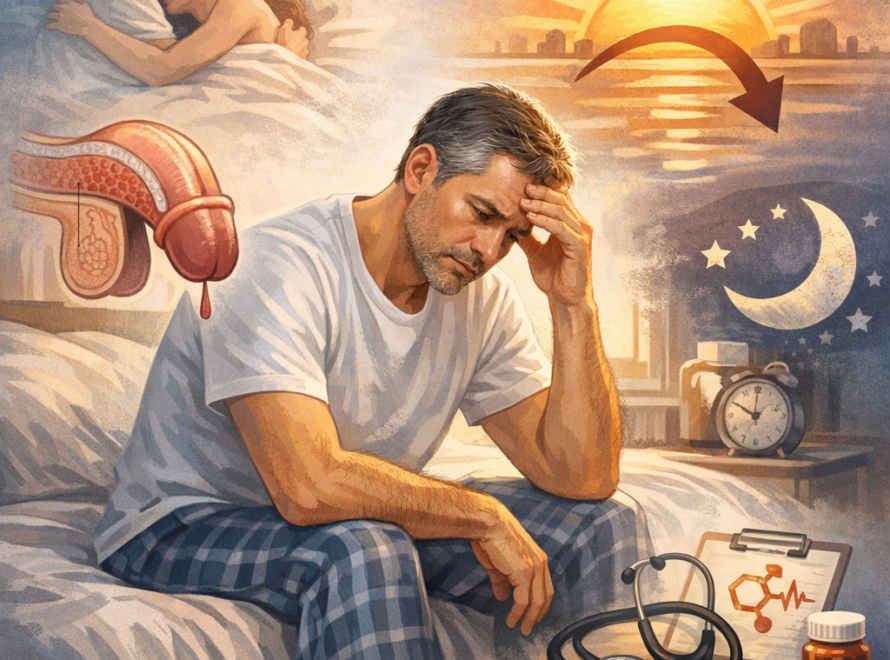
The prostate is a small gland that plays a crucial role in male urinary and reproductive health. As men get older, the likelihood of conditions such as BPH or prostatitis increases significantly. In fact, BPH affects up to 90% of men over the age of 80, often causing issues such as nocturia (frequent nighttime urination), weak urine flow, or a constant feeling of needing to urinate.
Traveling can aggravate these symptoms. Long hours of sitting, poor access to restrooms, dietary changes, and even travel stress can intensify urinary discomfort.
Dr. Howard Goldman of the Cleveland Clinic explains, “As travel disrupts your usual routine, thoughtful preparation can make a major difference in managing prostate symptoms.”
For example, if you’re flying across the country for a family event, a little foresight in packing and planning can help avoid unwanted surprises.
Preparing for Comfort: Proactive Travel Planning
Successfully managing urinary issues during travel begins with careful preparation. Here are essential strategies:
Talk to Your Doctor Before Departure
If you’re managing BPH, prostatitis, or recovering from prostate cancer treatment, schedule a pre-travel consultation. Your doctor may adjust your medications, discuss bladder control options, or recommend natural remedies like saw palmetto or beta-sitosterol, known for supporting prostate health.
Pack Strategically
Bring enough medication for the duration of your trip, plus an extra 3 to 5 days’ supply in case of delays. Include items such as protective underwear for leaks, cleansing wipes, hand sanitizer, and clearly labeled supplements to avoid airport security issues.
Map Out Bathrooms
Explore public restroom locations using tools like Google Maps or dedicated restroom locator apps. If traveling by air or bus, consider reserving an aisle seat for easier restroom access.
For instance, on a 10-hour drive, plan rest stops every 1.5 to 2 hours. Resources like the U.S. Department of Transportation’s Rest Area Locator can make planning easier.
Hydration and Nutrition: Key to Symptom Relief
Many assume drinking less water will reduce frequent bathroom stops. However, dehydration can actually irritate the bladder and worsen urgency. Staying properly hydrated and eating a prostate-friendly diet is crucial.
Drink Water the Right Way
Take small sips of water throughout the day instead of drinking large amounts at once. Avoid drinks high in caffeine or alcohol as they can increase urination. Herbal teas and water enriched with electrolytes are better alternatives.
Eat Foods That Support Prostate Health
Avoid spicy snacks, greasy fast food, and processed meals. Instead, choose fiber-rich foods with antioxidants such as tomatoes (rich in lycopene), pumpkin seeds, salmon, broccoli, and berries. According to Harvard Medical School, diets high in fruits and vegetables can help reduce prostate-related discomfort during travel.
For example, choose oatmeal with fresh fruit over a fast-food breakfast to support both digestion and prostate health.
Stay Active to Ease Discomfort
Prolonged sitting can increase pelvic pressure, especially for men with enlarged prostates. Adding movement to your travel routine can help relieve urinary symptoms and maintain comfort.
Incorporate Regular Stretch Breaks
On long road trips, stop every 1.5 to 2 hours to walk, stretch, or move around. These mini-activities help stimulate circulation and reduce pelvic congestion.
Stay Active During Air or Train Travel
On flights or trains, stand and walk the aisle when possible. Perform seated calf stretches and Kegel exercises, which help strengthen pelvic floor muscles and improve bladder control.
For added comfort, consider a cushion—especially if you’re recovering from prostate surgery. A soft, donut-shaped pillow helps relieve pressure during long travel times.
Dr. David Samadi, a prominent urologist, recommends Kegel exercises for men post-prostatectomy or those experiencing stress-related incontinence.
Protect Sleep and Manage Stress on the Go
Travel-related fatigue, jet lag, and exposure to new environments can increase stress—an often-overlooked trigger for urinary urgency.
Keep a Consistent Sleep Routine
Use earplugs, sleep masks, or white noise apps to ensure a restful sleep, even in unfamiliar accommodations. If traveling across time zones, begin adjusting your sleep schedule a few days before you leave.
Lower Your Stress Levels
Practice deep breathing, light stretching, or guided meditation to stay calm during travel. Apps like Headspace or Calm offer convenient tools to manage anxiety in just a few minutes a day.
Be Prepared in Case of Emergencies
Keep a written list of all medications, doctors’ contact information, and download telehealth apps for easy access to care. If traveling internationally, ensure your insurance includes international coverage.
For example, if you develop a fever alongside urination problems while abroad, seek medical attention immediately. It could signal a urinary or prostate infection that requires urgent care.
Know When to Get Medical Help
While most prostate-related travel symptoms are manageable, some symptoms require immediate medical attention. Seek help if you experience:
– Sudden and complete inability to urinate
– Blood in your urine
– High fever or chills
– Severe pain in your lower abdomen or groin
Keep a concise medical summary with you, outlining your history, current medications, and any recent procedures. This can save precious time in an emergency.
Make Travel Part of Your Wellness Routine
By planning smart, staying active, and eating well, prostate health doesn’t have to hold you back. In fact, travel can help reinforce healthy behaviors—like more walking, mindfulness practices, and nutritious eating.
Take proactive steps, and you’ll find that even long journeys can be stress-free and empowering. You’re not just managing symptoms; you’re enhancing your overall health through better habits and awareness.
Bon voyage—and enjoy the journey with confidence.
References
1. American Urological Association. BPH Symptoms and Statistics. https://www.auanet.org/
2. National Institutes of Health. Saw Palmetto: Uses and Evidence. https://www.nccih.nih.gov/
3. Harvard Health Publishing. Foods That Fight Inflammation & Support Prostate Health. https://www.health.harvard.edu/
4. University of Utah Health. Dr. James Hotaling, Urology. https://healthcare.utah.edu/
Ready to take the first step toward a healthier, more comfortable trip? Explore travel-friendly prostate health resources today.