
“`html
Understanding How Certain Medications Cause Erectile Dysfunction
Introduction to Erectile Dysfunction
Erectile dysfunction (ED) is a prevalent condition affecting men globally, characterized by the inability to achieve or maintain an erection sufficient for satisfactory sexual performance. Causes include physiological and psychological factors, with certain medications being an often overlooked cause due to their interference with blood flow or nerve signals.
Understanding the Mechanisms: How Medications Induce ED
Medications Affecting Blood Flow
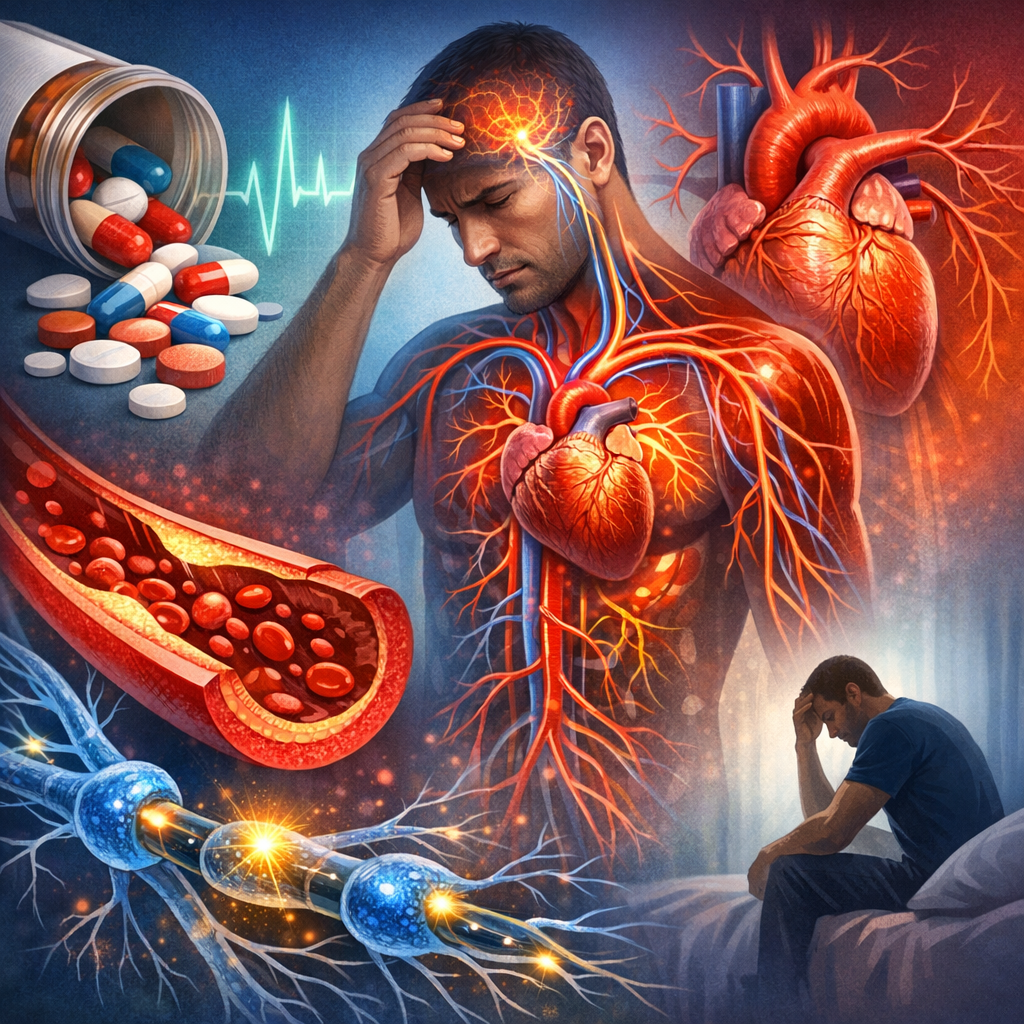
The process of achieving an erection involves increased blood flow to the penile tissues. Some medications, like antihypertensives (e.g., beta-blockers and diuretics), can disrupt this process by constricting blood vessels or altering circulation, reducing the necessary blood flow for an erection.
Medications Interfering with Nerve Signals
Certain medications can disrupt nerve signals essential for an erection. Antidepressants, particularly selective serotonin reuptake inhibitors (SSRIs), can affect the central nervous system and interfere with normal erection signaling. Similar effects are seen with antipsychotic drugs and specific anti-seizure medications.
Identifying Symptoms of Medication-Induced ED
Symptoms of medication-induced ED include decreased sexual desire, difficulty achieving or maintaining an erection, and reduced erection quality. Monitoring changes in erectile function after starting new medication and discussing potential side effects with healthcare providers is vital.
Diagnosis and Evaluation
Diagnosing medication-related ED involves a comprehensive evaluation by a healthcare professional, including a detailed medical history, a review of current medications, and an assessment for other potential ED causes. Blood tests and additional diagnostics may be necessary to exclude underlying health conditions.
Treatment Options
Adjusting Medication Regimens
The primary approach to managing medication-induced ED is reviewing and potentially adjusting the medication under healthcare provider guidance. Alternatives with a lower risk of causing ED may be explored.
Mental Health and Counseling
Addressing the psychological impact of ED is critical for comprehensive care. Counseling or therapy can help manage the emotional burden associated with the condition, particularly when lifestyle changes or medical adjustments are needed.
Pharmacological Interventions
When medication changes are ineffective, pharmacological treatments specifically for ED, such as phosphodiesterase-5 inhibitors, may be prescribed to enhance penile blood flow and aid in achieving an erection.
Risks and Prevention
Understanding the interaction between medications and erectile function can minimize the risk of ED. Preventive measures include regular consultation with healthcare providers, careful medication prescriptions, and ongoing monitoring of medication side effects.
Conclusion
Recognizing how certain medications may cause erectile dysfunction is crucial for management and prevention. Through informed medical guidance and careful medication management, many men can maintain their sexual health and overall well-being. Ongoing communication with healthcare providers facilitates tailored treatment strategies and enhances quality of life.
References
American Urological Association, Understanding the Causes of Erectile Dysfunction
National Institutes of Health, Erectile Dysfunction: Risk Factors and Treatment Options
Mayo Clinic, Erectile Dysfunction Causes
Cleveland Clinic, Medications and Erectile Dysfunction
“`
