
Tech and ED: Are Your Devices Harming Your Performance?
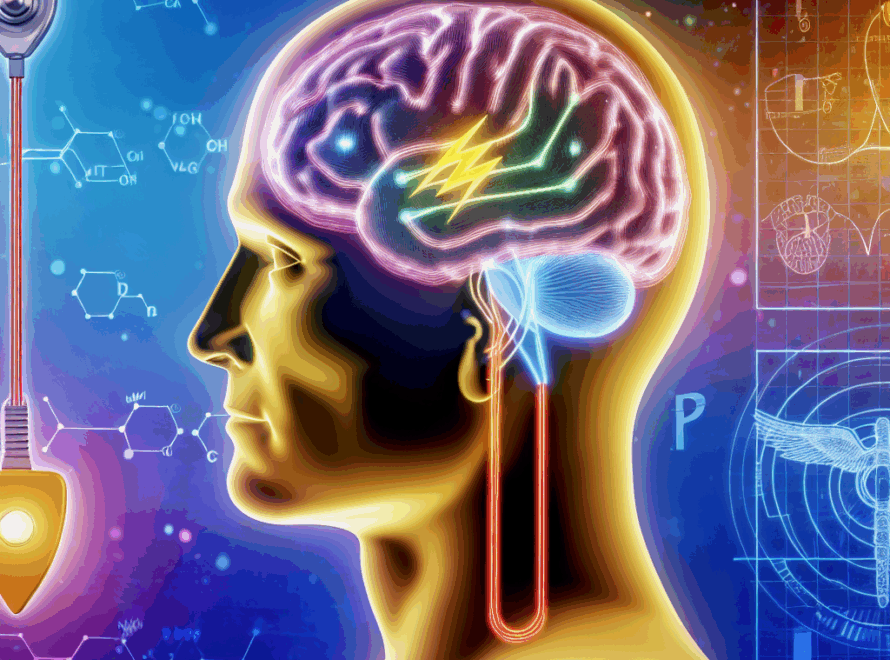
In today’s hyperconnected world, technology is a constant companion—bringing convenience, entertainment, and efficiency. But could our reliance on gadgets actually be harming more personal aspects of our well-being, such as focus, sleep quality, and even sexual health?
Emerging studies suggest a strong correlation between excessive tech usage and erectile dysfunction (ED). While the link may seem surprising, experts warn that digital habits—especially screen overuse—might be silently sabotaging male performance at a foundational level.
Let’s explore how modern devices impact your mental, physical, and emotional health—and what you can do to reclaim control.
Digital Overload: The Hidden Cost of Constant Multitasking
The average person touches their phone more than 2,600 times per day, according to research from Dscout. For heavy users, that number soars past 5,400. This constant interaction limits the brain’s ability to focus deeply, ultimately decreasing productivity, creativity, and emotional balance.
A Stanford University study revealed that frequent media multitaskers struggle with attention span, task prioritization, and information filtering.
“When your brain is constantly interrupted, it never reaches deep thought,” says Dr. Kelli Harding, assistant clinical professor of psychiatry at Columbia University. “Over time, this can impair memory, creativity, and even emotional regulation.”
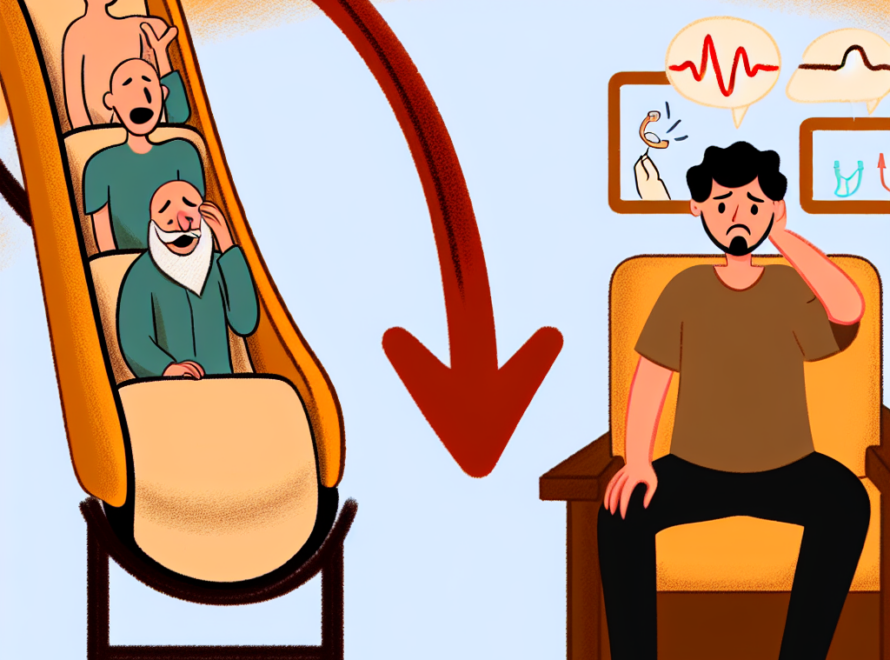
Constant screen engagement also takes a toll on relationships. Presence is essential for emotional and physical intimacy. Distracted interactions—like checking messages during dinner or scrolling social media in bed—can reduce relationship satisfaction and even lower libido.
Over time, those seemingly minor distractions compound, creating emotional distance that dampens desire and weakens connections.
Screens and Sedentary Living: A Dangerous Combo
One of the most concerning side effects of prolonged tech use is physical inactivity. According to the World Health Organization, more than 27% of adults globally do not get enough physical activity—and screen time plays a significant role in this trend.
Sitting for long periods affects blood circulation, contributes to weight gain, and interferes with hormone production—especially testosterone, which is vital for healthy sexual function.
“Physical inactivity contributes to endothelial dysfunction, a key factor in erectile problems,” says Dr. Steven Lamm, Director of Men’s Health at NYU Langone. “Combined with poor circulation, it becomes a recipe for ED.”
Research in The Journal of Sexual Medicine confirms that sedentary behavior is strongly associated with lower testosterone and a higher risk of erectile dysfunction, even in men under 40.
Example: A man working at a desk for eight hours, followed by binge-watching shows in the evening, may log over 10 hours of sitting daily. Without regular movement, this routine compounds health risks, including compromised sexual performance.
For practical tips on restoring physical function and treating ED, visit edrugstore.com.
How Blue Light Disrupts Bedroom Performance
Most modern devices—smartphones, tablets, TVs—emit blue light. Although harmless during the day, exposure at night suppresses melatonin and disrupts your body’s natural sleep-wake cycle.
Sleep is crucial for hormonal regulation. A study published in Sleep in 2017 found that just one week of restricted sleep could reduce testosterone in young men by up to 15%.
“Sleep is when your body replenishes hormones like testosterone,” explains Dr. Matthew Walker, neuroscientist and author of Why We Sleep. “If you cut sleep short, your body cuts hormone production too.”
Example: If you regularly use your phone in bed, the blue light can delay melatonin production, lower sleep quality, and in turn, impact physical desire and performance the next day.
Consider enabling Night Shift mode on your devices and using blue light–blocking glasses in the evening. Making your bedroom a screen-free zone can also significantly improve both sleep and intimacy.
The Psychological Impact of Tech and Porn Addiction
Although browsing the web or checking social media may seem harmless, excessive use—especially of explicit content—can rewire the brain and cause psychological stress. Increasingly, health professionals are acknowledging a condition known as porn-induced erectile dysfunction (PIED).
PIED occurs when the overstimulation from digital pornography diminishes sensitivity to real-life intimacy, causing difficulties with arousal and performance.
“Your brain adapts to what you feed it,” says Dr. Philip Zimbardo, psychologist and author of Man (Dis)connected. “If that’s unrealistic, high-stimulation content, genuine human intimacy often can’t compete.”
Studies in the Journal of Behavioral Addictions reveal that frequent porn consumption desensitizes arousal triggers. Similarly, social media constantly activates dopamine pathways, which can reduce enjoyment of everyday interactions.
Example: A man who habitually watches porn may find that he struggles to respond to a real partner. This troubling pattern is increasingly reported among men in their twenties and thirties.
To explore solutions and support around PIED and ED, check out edrugstore.com.
Five Smart Tech Habits to Boost Performance
You don’t need to abandon your devices—just learn to manage them better. Here are some practical ways to use technology to enhance your mental clarity, physical health, and bedroom performance.
Digital Detox Days
Designate one day a week to disconnect completely from screens. Use the time for nature walks, in-person social connections, or hobbies. It helps recalibrate your attention and reduce mental fatigue.
Use Blue Light Filters
Activate Night Mode on phones and computers after sunset to protect your circadian rhythm. For added benefit, try blue light filtering glasses for nighttime screen use.
Practice Mindfulness
Download apps like Calm or Headspace for quick mindfulness sessions. Reducing stress through guided meditation can help decrease cortisol levels, which otherwise suppress libido.
Set Movement Reminders
Use your smartwatch or phone to set hourly reminders to stand and move. Just five minutes of activity per hour boosts circulation and helps reverse the effects of a sedentary lifestyle.
Create Tech-Free Zones
Make your bedroom a no-tech area. This fosters connection, improves sleep quality, and removes two major obstacles to intimacy: distraction and blue light.
Find Balance: Redesigning Your Digital Life for Better Health
Instead of fearing technology, embrace a smarter relationship with it. The goal isn’t to disconnect completely—it’s to connect better with the world around you.
When you set healthier boundaries with tech, you improve your attention span, enhance sleep quality, strengthen emotional relationships, and reduce the risk of ED and other health issues.
“In medicine, prevention is the best treatment,” says Dr. Andrew Weil, integrative health expert. “When it comes to performance, don’t wait for problems to arise—design your environment for success.”
Next time you have the urge to check a notification, pause and connect with someone close to you instead. Your body, your mind, and yes—your bedroom—will feel the difference.
Discover discreet treatment options and expert advice for ED at edrugstore.com.
References
– Dscout, “Putting a Finger on Our Phone Obsession” (2016)
– Ophir, E., Nass, C., & Wagner, A. D. (2009). “Cognitive Control in Media Multitaskers.” Proceedings of the National Academy of Sciences
– World Health Organization. “Physical Inactivity: A Global Public Health Problem”
– Walker, M. (2017). Why We Sleep: Unlocking the Power of Sleep and Dreams. Scribner
– The Journal of Sexual Medicine (2015). “Sedentary Behavior and Erectile Health in Young Men”
– Sleep (2017). “Impact of Sleep Deprivation on Male Testosterone”
– Journal of Behavioral Addictions (2016). “Understanding Pornography-Related Sexual Dysfunctions”
– Columbia University, Department of Psychiatry—Digital Distraction and Mental Health
– edrugstore.com—ED Treatment, Symptoms, and Support
Tags: Technology, Health, Erectile Dysfunction, Digital Wellness, Sexual Health, Men’s Vitality, Libido, Tech Addiction, Digital Detox
This content is ready for publishing on a web platform. Let me know if you need this exported as a downloadable PDF or formatted for specific CMS platforms.