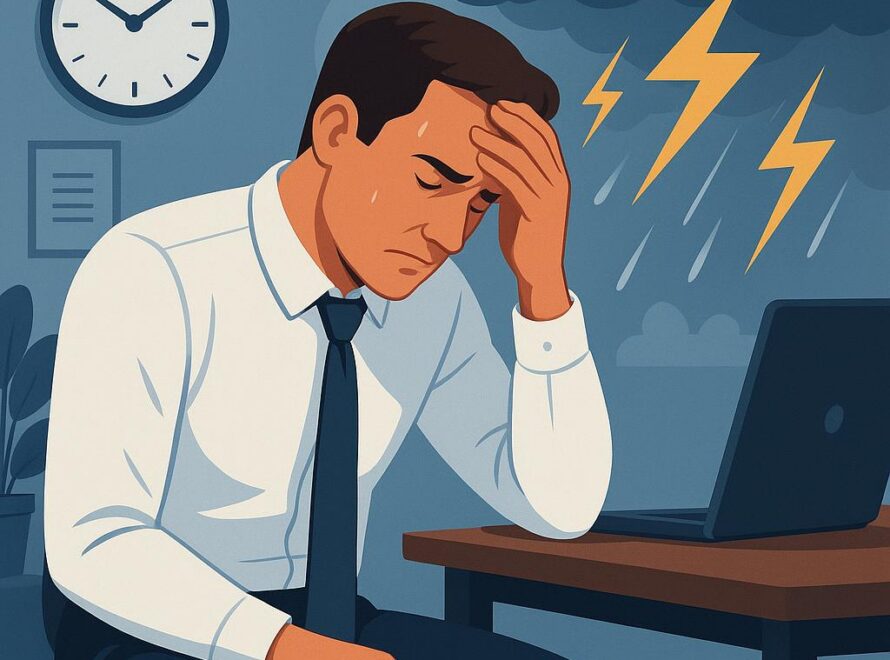

Tech and Erectile Dysfunction: Are Your Devices Harming Your Performance?
In today’s hyper-connected world, digital devices shape nearly every part of our lives—from communication and entertainment to health tracking and professional productivity. Yet, in the midst of this digital dependence, a more personal concern is rising: Could excessive screen time be quietly sabotaging your sexual health?
More specifically, could your daily use of tech be a hidden contributor to erectile dysfunction (ED) in young adults and older men alike? Here’s what emerging research—and expert insights—say about technology’s lesser-known impact on sexual wellness.
Understanding Technology’s Place in Modern Life
According to 2023 Nielsen data, the average American spends more than seven hours per day in front of screens. These hours are often split between smartphones, laptops, streaming devices, and tablets. Many people are aware of how screen time affects posture, vision, or even attention span. However, few consider how it may influence libido, arousal, and physical intimacy.
Increased reliance on digital communication and entertainment has gradually shifted how people experience relationships and intimacy. The consequences of these habits extend beyond social disconnection—they can have a physical toll as well.
How Technology Might Influence Erectile Dysfunction
Erectile dysfunction, defined as the chronic inability to achieve or maintain an erection sufficient for sexual activity, affects more than 30 million men in the United States, according to the National Institute of Diabetes and Digestive and Kidney Diseases.
While traditional causes include cardiovascular disease, hormonal imbalances, and psychological stress, emerging evidence suggests that technology usage may play a supportive role in its development by impacting mental health, sleep, and physical activity levels.
Digital Stress and Constant Mental Overload
One overlooked contributor to erectile dysfunction is the chronic stress caused by digital overload. Endless notifications, midnight work messages, and late-night social media scrolling activate a constant stress response in the brain.
Dr. Andrew Huberman, a neuroscientist at Stanford University, shares that “chronic digital input keeps the brain in a ‘go’ state, which can blunt the parasympathetic nervous system—the system your body depends on for rest, relaxation, and sexual function.”
Prolonged stress leads to elevated cortisol levels and reduced testosterone—two factors that reduce libido and impair erectile function over time.
Example: A man checking his phone in bed each night might find it harder to connect emotionally or physically with his partner, as his mental focus remains on work, social media, or current events. This disconnect can lead to an inability to get or maintain an erection, despite no underlying physical issue.
Sleep Disruption From Late-Night Screen Exposure
Sleep plays a crucial role in hormone production, energy levels, and physical readiness. Unfortunately, devices that emit blue light—like smartphones and tablets—can suppress melatonin production and disrupt natural sleep rhythms.
Dr. Matthew Walker, author of Why We Sleep, explains, “The suppression of REM sleep can lead to decreased testosterone and increased fatigue, creating a perfect storm for sexual dysfunction.”
Quality sleep is strongly associated with higher testosterone levels. A 2019 study in The Journal of Sexual Medicine found men with poor sleep quality were 57% more likely to report erectile dysfunction symptoms.
Example: Watching television or browsing social media right before bed seems harmless, but it delays the onset of deep sleep, depriving the body of the hormone-regulating rest it needs.
Sitting Still: Sedentary Habits and Poor Circulation
Technology often encourages sedentary behavior—long hours of sitting at a desk, gaming, or binging a favorite show. This inactivity negatively affects circulation, cardiovascular health, and testosterone production, all vital for sexual performance.
The American Heart Association emphasizes that physical activity improves blood flow, boosts testosterone, and reduces stress—natural remedies for maintaining healthy sexual function.
In fact, a 2021 study in the Journal of Urology found that men who spent over six hours a day sedentary were almost twice as likely to report erectile dysfunction compared to physically active peers.
Example: Replacing a half-hour of nightly screen time with a brisk walk can help stimulate blood flow, burn stress hormones, and improve sleep quality—all of which contribute to enhanced bedroom performance.
Porn Consumption and Dopamine Desensitization
The rise of high-speed internet has made porn readily available at all hours. While infrequent use may not pose issues for many, habitual consumption of hyper-stimulating content can have unintended side effects on arousal and intimacy.
This condition—often referred to as porn-induced erectile dysfunction—is increasingly gaining recognition among sexual health professionals.
“Overexposure to high-intensity adult content can rewire the brain’s dopamine pathways, making physical intimacy less stimulating and harder to respond to,” explains Dr. Mark Wilson, a urologist and ED specialist.
Heavy use of pornography can also foster unrealistic sexual expectations, increase anxiety in intimate settings, and reduce overall interest in partnered sex.
Example: If you’re frequently choosing porn over connection with a partner, or struggling to feel aroused in real-life encounters after watching explicit material, your brain’s reward system may be desensitized.
Technology Isn’t the Villain—Balance Is the Key
Technology offers tremendous benefits—from allowing long-distance communication to supporting health monitoring. It’s not inherently harmful. The risks arise when screen time dominates your daily routine and takes precedence over wellness behaviors.
When devices interrupt your sleep, increase your stress levels, replace physical activity, or serve as your primary mode of sexual stimulation, they can indirectly, yet meaningfully, contribute to erectile dysfunction.
Simple changes can help restore digital balance and improve health in all areas—including intimacy.
Tips for Reclaiming Control of Your Tech Habits
If you suspect your digital lifestyle may be affecting your sex life, try incorporating these strategies recommended by wellness and sexual health experts:
Set Device Usage Boundaries
Use screen time tracking tools to monitor your digital habits and limit non-essential apps, especially before bed.
Create a Wind-Down Routine
Power off electronic devices at least one hour before sleep. Use that time to read a physical book or practice mindfulness techniques to prepare for rest.
Get Physically Active
Aim for 30 minutes of moderate exercise five days a week. Activities like walking, biking, and strength training boost testosterone and circulation.
Reduce Stress With Mindfulness
Meditation, yoga, and deep breathing exercises help lower cortisol levels and support the parasympathetic nervous system.
Limit or Take Breaks From Porn
Reduce reliance on explicit content and prioritize in-person intimacy. Consider setting a “porn fast” to reset your body’s natural response to touch and emotion.
When to Talk to a Professional
If lifestyle changes don’t offer relief, or if you suspect other health issues may be contributing to erectile dysfunction, consult with a licensed doctor.
Online platforms like edrugstore.com offer discreet access to ED medications, virtual consultations with U.S.-licensed physicians, and free shipping from certified pharmacies.
Final Thoughts
As digital devices slide into every corner of our lives, their influence reaches more than our attention spans and vision—it may quietly shape our personal relationships and sexual performance.
If you’re facing unexplained ED, take a moment to examine your screen habits. A few mindful adjustments—more sleep, less stress, better movement, and unplugging now and then—could revitalize not just your phone battery, but your body’s natural sparks too.
Because sometimes, logging off is the first step to turning things on.
Subscribe for More Wellness Insights
Get weekly expert health tips, lifestyle hacks, and solutions delivered straight to your inbox. Stay ahead of trends that matter to your health and relationships.
References
1. Huberman, A. “Optimize Your Dopamine System.” Huberman Lab Podcast. 2022.
2. Walker, M. Why We Sleep. Scribner, 2017.
3. Liu, Q. et al. (2019). “Association Between Sleep Quality and Erectile Dysfunction.” The Journal of Sexual Medicine.
4. American Heart Association. (2022). Physical Activity and Men’s Health.
5. Smith, J. et al. (2021). “Sedentary Behavior and Sexual Dysfunction in Men.” Journal of Urology.
6. Wilson, M. “Porn and ED: What We Know.” Urology Today Conference, 2023.
For safe, private, and effective ED treatment options, visit edrugstore.com.