
The Arousal-Speed Discrepancy: When Partners Peak at Different Times
In intimate relationships, timing can play a defining role—especially when it comes to sexual connection. One commonly overlooked challenge that couples face is called the arousal-speed discrepancy. This refers to the difference in how quickly partners become sexually aroused. One partner may feel ready almost immediately, while the other requires more time to feel emotionally and physically in sync with the moment.
This mismatch in readiness can lead to feelings of frustration, confusion, or even avoidance of intimacy. According to the Kinsey Institute, 52 percent of couples report differences in sexual desire patterns during their experiences. Fortunately, increased awareness, open communication, and mutual adaptability can transform this obstacle into a chance to build deeper emotional and physical intimacy.
Understanding How Arousal Timing Works
At its core, the arousal-speed discrepancy isn’t just about physical responses. It includes psychological readiness, emotional safety, and mental engagement. People experience arousal differently—what sparks desire in one may not do the same for another.
For example, one partner may feel desire following an intimate conversation, while the other might need physical touch or time to decompress from a long day. As Dr. Emily Nagoski, author of Come As You Are, explains, “Sexual arousal isn’t a light switch—it’s more like a set of dials, each influenced by various factors including connection, context, and individual wiring.”
Gender stereotypes may suggest that men are always quicker to become aroused, but research shows otherwise. A 2020 study published in the Journal of Sex Research found that 43 percent of women and 31 percent of men experienced challenges with relationship satisfaction due to differing arousal speeds.
Why Do Partners Experience Different Arousal Rates?
Several factors contribute to differences in how quickly partners become aroused. Understanding these can help reduce conflict and foster connection.
Biological Differences
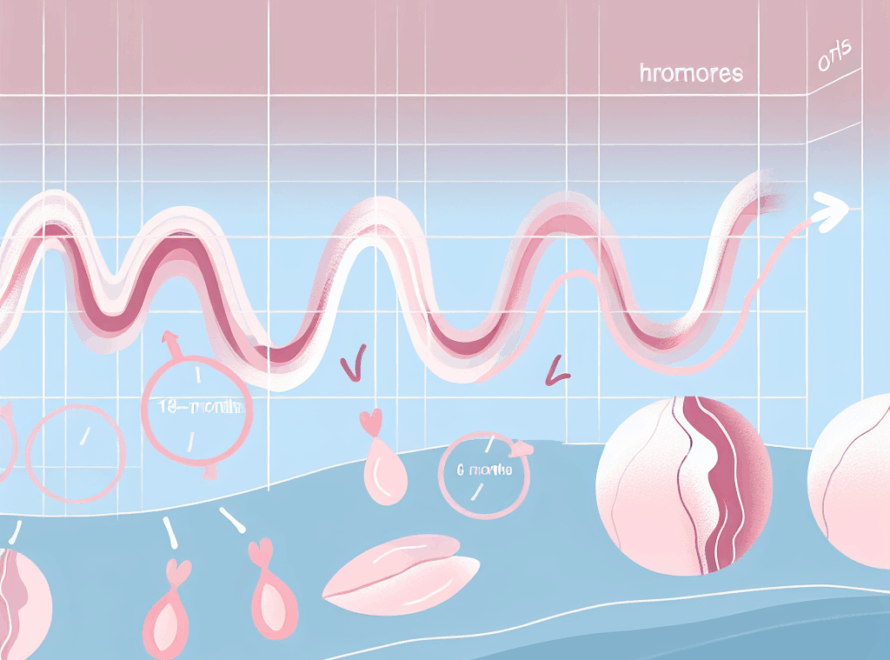
Physical readiness varies significantly between individuals. Conditions like hormone imbalances, aging, or sexual health issues can all affect arousal speed. For example, men experiencing low testosterone or erectile dysfunction may take longer to become aroused. In such cases, medical support or safe pharmaceutical aids from reliable providers can help.
Psychological Factors
Some people feel desire spontaneously, while others develop arousal gradually in response to physical closeness—a concept known as responsive desire. Stress, anxiety, and unresolved emotional issues can all function like brakes on sexual readiness, requiring intentional efforts to overcome.
Social and Cultural Influences
Cultural expectations and upbringing influence comfort with sex and intimacy. Individuals raised in conservative or rigid environments may need extra time and trust-building to become fully open to sexual expression.
Libido Differences
Not all couples have harmonized sex drives. One partner might consistently feel sexually inclined, while the other may need emotional, environmental, or situational triggers before feeling the same. Neither approach is wrong—acknowledging these differences is key.
How Arousal Mismatches Affect Relationship Satisfaction
Left unaddressed, differences in arousal speed can quietly erode intimacy. Here’s how they may manifest:
Communication Breakdowns
One partner may feel rushed or pressured, while the other feels rejected or inadequate. These unspoken emotions can make sexual topics difficult to discuss, leading to avoidance or conflict.
Lower Sexual Satisfaction
When partners try to force alignments—rushing or delaying their own responses—it can diminish satisfaction. A 2022 Match.com study revealed that 67 percent of participants said emotional connection must align with physical timing for sex to feel fulfilling.
Emotional Disconnection
Over time, repeated misalignment may weaken the emotional bond between partners, affecting more than just physical intimacy. Uncomfortable sexual experiences can ripple into affectionate behaviors, communication, and overall closeness.
Bridging the Arousal Gap: What You Can Do
Fortunately, many strategies exist to help couples navigate arousal timing discrepancies. The goal isn’t perfect synchronization, but rather mutual understanding and compromise.
Open, Compassionate Communication
Express your needs using non-judgmental language. Say, “I need more time to feel relaxed” instead of “You’re always in a hurry.” Use your conversations to open up possibilities, not point fingers.
Expand the Definition of Foreplay
Think beyond a few minutes of touch before sex. Emotional foreplay can be just as arousing—like holding hands, sending flirtatious messages, or enjoying thoughtful conversations. For many, emotional connection drives physical attraction.
Slow Down and Practice Mindful Intimacy
Embrace each moment rather than rushing through intercourse. Eye contact, synchronized breathing, and tending to each other’s cues can enhance connection and create a deeply pleasurable experience for both.
Check In Regularly
Your sexual tempo may shift over time. Changes in life stage, health, or mental well-being can alter libido and arousal. Regular conversations about intimacy can help you stay aligned and address adjustments with empathy.
Nurture Physical Affection Beyond Sex
Non-sexual touch—like cuddling, massages, or bathing together—helps promote bonding and gradually harmonizes your arousal rhythms over time. These moments build trust, emotional security, and desire.
When Professional Help Can Make a Difference
Sometimes, repeated communication and experimentation aren’t enough to resolve conflicts around arousal. In these cases, working with a sex therapist can be incredibly beneficial. Professionals can help address deeper concerns such as stress, past sexual trauma, body image, or anxiety.
To find a certified expert, consult directories from respected organizations such as the American Association of Sexuality Educators, Counselors and Therapists (AASECT).
The Bigger Picture: Synchrony, Not Sameness
Differences in sexual arousal timing are a common part of every long-term partnership. Instead of striving for identical sexual responses, focus on cultivating synchrony—where partners feel attuned, responsive, and connected despite their differences.
With compassion, clear communication, and a willingness to explore, couples can reshape their experiences into something deeply satisfying. Whether it’s through better foreplay, open conversation, or the help of tools and therapies, there’s always a path toward mutual fulfillment.
Final Thought
Great sex isn’t about identical timing—it’s about connection, presence, and partnership. If you and your partner feel out of sync, you’re far from alone—and you have many ways to reconnect, rediscover, and realign.
References
– Kinsey Institute. (2022). “Sex in America: How Desire Changes Over Time.”
– Journal of Sex Research (2020). “Sexual Timing and Relationship Satisfaction in Couples.”
– Nagoski, Emily. Come As You Are: The Surprising New Science That Will Transform Your Sex Life. Simon & Schuster, 2015.
– American Association of Sexuality Educators, Counselors and Therapists (AASECT). “Finding a Certified Sex Therapist.” https://www.aasect.org
– Match.com Singles Report, 2022.
– edrugstore.com (Accessed 2024). “Erectile Dysfunction Treatment Options.” https://www.edrugstore.com/erectile-dysfunction/