
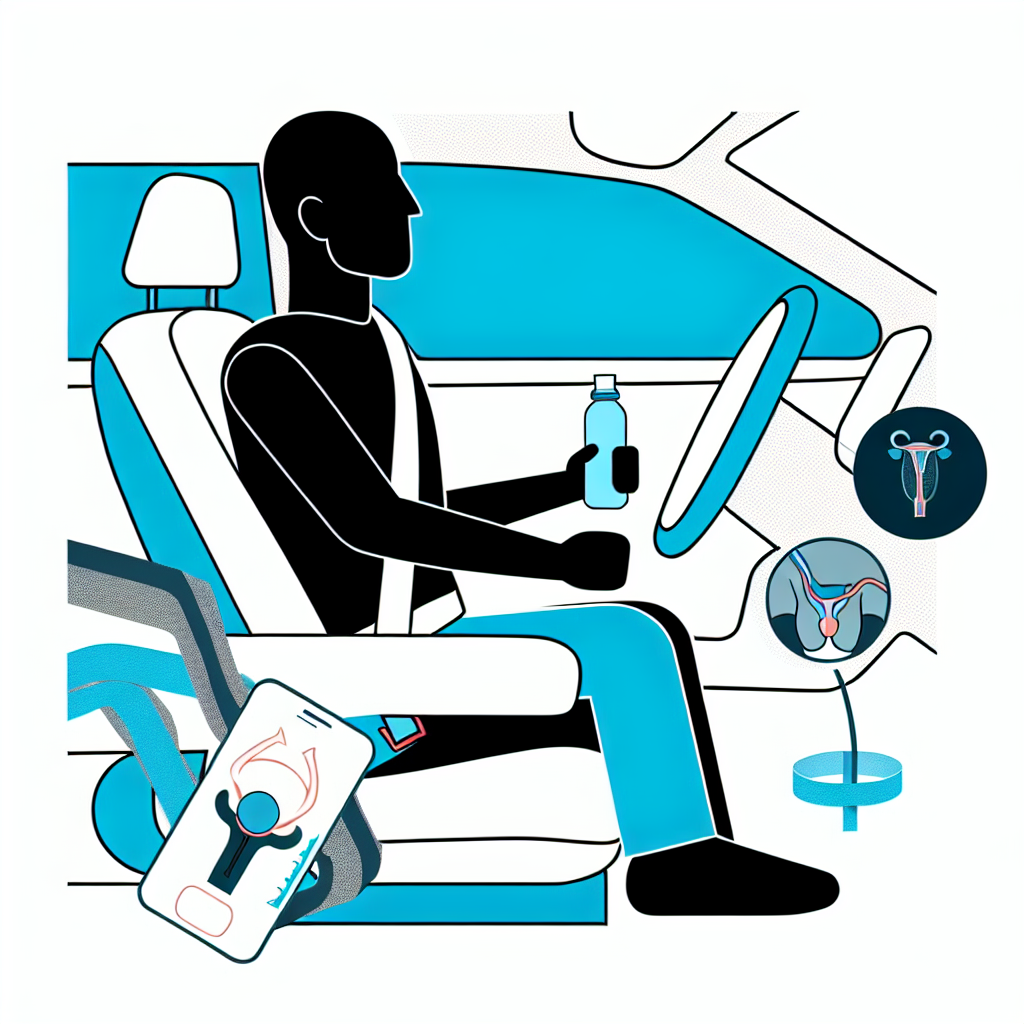
The Commuter’s Prostate Health: Protect Your Wellness During Long Hours on the Road
Understanding Prostate Health for Regular Drivers
In today’s fast-paced world, many men spend hours each day commuting. Whether it’s a long drive to the office or continuous cross-country routes for truckers, over 35% of U.S. workers commute more than an hour daily, according to the U.S. Census Bureau. While much attention has been given to traffic and fuel costs, a crucial health aspect remains overlooked: men’s prostate health during extended commutes.
The prostate, a small gland located just below the bladder, plays a key role in male reproductive health. As men age, they become more vulnerable to prostate issues like benign prostatic hyperplasia (BPH), prostatitis, and even prostate cancer. Prolonged sitting behind the wheel can place continuous pressure on this sensitive area, potentially leading to chronic discomfort or more serious medical conditions. Recognizing these risks is the first step toward prevention.
Why Prolonged Sitting Could Harm Your Prostate
Extended periods of sitting are more than just uncomfortable—they may negatively impact your prostate. According to the Mayo Clinic, a sedentary lifestyle can slow blood circulation and promote inflammation. For drivers, especially those logging long hours on the road, the pressure placed on the perineal region can worsen existing conditions or trigger new symptoms.
Dr. David Wise, co-author of A Headache in the Pelvis, notes that men who sit for extended periods—particularly truck drivers and daily office commuters—are more likely to experience pelvic inflammation and urinary issues. Reduced blood flow to the pelvis can increase the severity of BPH or chronic prostatitis symptoms.
For example, consider a long-haul truck driver traveling over 2,500 miles a week. Without taking regular breaks, the consistent pressure on the prostate can intensify discomfort over time, possibly leading to ongoing pelvic pain or urinary dysfunction.
The Hidden Toll of Commuter Stress on the Prostate
Traffic jams and noisy car horns may seem like harmless irritants, but they contribute to something more harmful—chronic stress. According to the American Institute of Stress, nearly 80% of Americans report that commuting significantly increases their daily stress.
Chronic stress raises levels of cortisol, a hormone linked to inflammation and hormonal imbalances. Studies from Harvard Medical School suggest that long-term stress can influence testosterone and estrogen levels, which may interfere with prostate function.
Additionally, stress often leads to unhealthy behaviors—skipping routine checkups, relying on unhealthy fast food, or getting inadequate sleep—all of which can compromise prostate health. Mental stress experienced during long drives is not just psychological; it can have lasting effects on physical health.
Signs and Symptoms Commuters Should Not Ignore
If you spend long hours on the road, it’s essential to be aware of early warning signs of prostate problems. Common symptoms include:
– Frequent urge to urinate, especially at night
– Trouble starting urination or a weak urine stream
– Pelvic tension or discomfort
– Pain during ejaculation or soreness in the lower back
– Persistent feeling of incomplete bladder emptying
These symptoms may indicate an enlarged prostate, prostatitis, or chronic pelvic pain syndrome. Identifying these signs early can help you seek diagnosis and treatment before complications develop. If you’re unsure whether your symptoms are related to commuting, consult a healthcare professional or book an online consultation with a urological expert through a trusted digital health platform.
Practical Tips to Protect Prostate Health While Driving
Maintaining prostate health during long commutes doesn’t require major life changes. Instead, small consistent habits can deliver significant results. Consider the following steps:
Take Regular Breaks
Every one to two hours, find a safe place to pull over and stretch. Walking or simple movements can reduce pressure on the perineal area and stimulate healthy blood flow.
Choose Ergonomic Support
Use seat cushions specially designed to relieve perineal pressure. Memory foam cushions with cutouts can vastly improve comfort and protect your prostate during extended driving times.
Stay Hydrated
Drink water frequently to prevent urinary irritation from concentrated urine. Avoid overly sweetened drinks or excessive caffeine, as both can worsen bladder and prostate discomfort.
Adopt a Prostate-Supportive Diet
Choose foods rich in zinc, lycopene, and omega-3 fatty acids. Examples include tomatoes, pumpkin seeds, spinach, and fatty fish. A Mediterranean-style diet has been shown to decrease prostate inflammation and improve urinary function.
Incorporate Daily Physical Activity
Try to fit in at least 30 minutes of activity such as walking, yoga, or resistance training. If your schedule doesn’t allow for a morning workout, find opportunities to walk during lunch or after work.
Actively Manage Stress
Combat commuting-related stress with deep breathing techniques, calming podcasts, or mindfulness apps. Outside of work, find time for hobbies, nature walks, or social support to help lower cortisol and support hormonal balance.
Keep Up With Health Screenings
Talk to your doctor about annual prostate-specific antigen (PSA) screenings and digital rectal exams (DREs), especially if you’re over 50 or have a family history of prostate conditions. Many providers offer confidential consultations online.
When It’s Time to See a Specialist
If you’re experiencing persistent pelvic discomfort, urinary difficulties, or other unexplained changes, don’t delay seeing a professional. Urologists can provide accurate diagnoses and offer personalized treatment options tailored to your lifestyle and needs.
Ignoring symptoms or attributing them to age can delay effective treatment. Early detection provides more treatment choices and often avoids invasive procedures. If visiting a doctor in person isn’t convenient for your schedule, consider scheduling a virtual consultation through a reliable telehealth service.
Take Ownership of Your Prostate Health Today
Your commute might be non-negotiable, but your health isn’t. Even small steps, like using a supportive seat cushion, getting regular exercise, and scheduling health checkups, can make a significant impact on your prostate wellness.
As Dr. Michael Rehman, a board-certified urologist, explains, “Prostate health doesn’t have to decline with age—it’s about being informed and taking proactive measures.” Think of your body like your vehicle: regular maintenance helps prevent breakdowns.
Have you had your prostate screening this year? Don’t wait. Speak with your healthcare provider or schedule an appointment through a trusted online platform today.
Sources:
– U.S. Census Bureau, Commuting Trends Report, 2021
– Mayo Clinic, Physical Inactivity and Health Risks, 2022
– Dr. David Wise, A Headache in the Pelvis, 2013
– American Institute of Stress, Commuting and Health, 2023
– Harvard Medical School, Hormonal Changes and the Prostate, 2022
– National Institutes of Health, Diet, Inflammation, and Prostate Health, 2021