
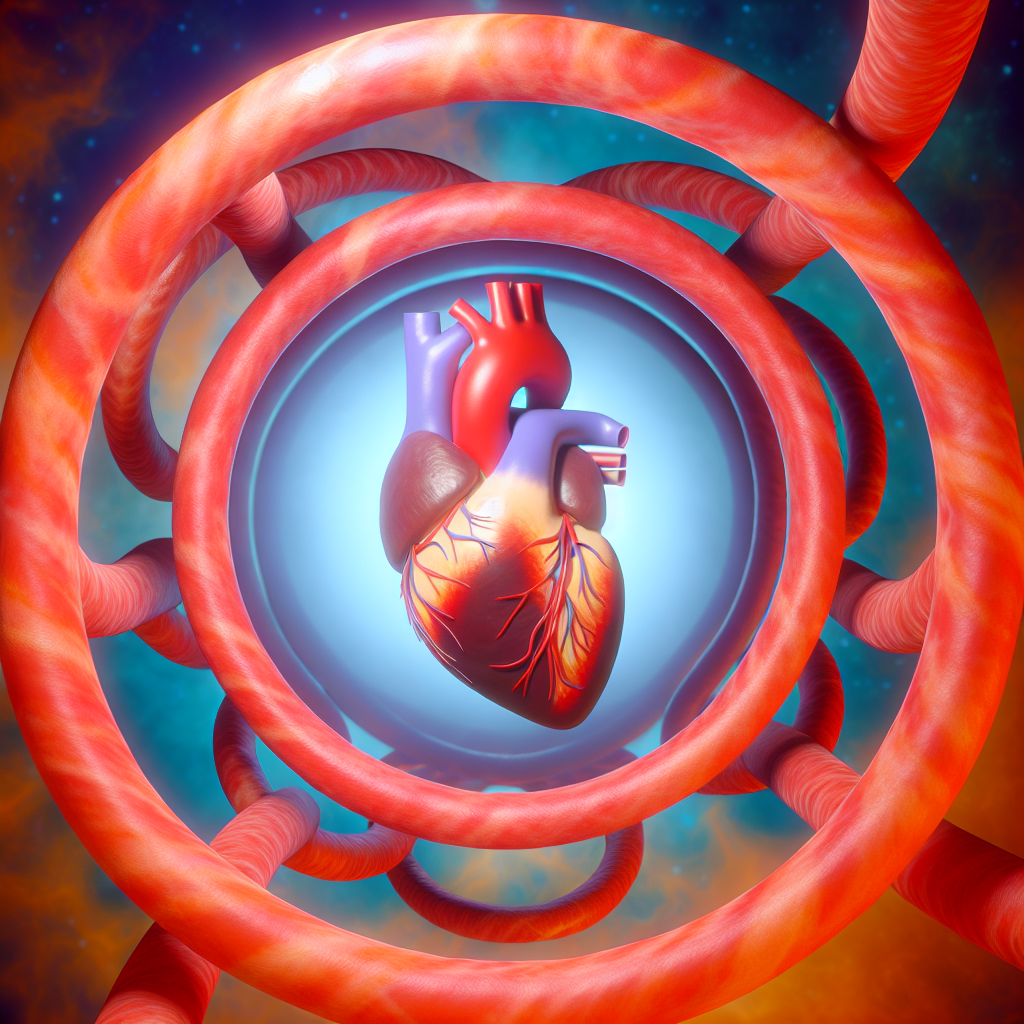
The Confidence-Blood Flow Loop: When Anxiety Clamps Your Vessels Shut—Literally
Most people think confidence is all in the mind—your posture, the tone of your voice, or mindset. But what if confidence runs deeper than thought? What if it’s rooted in how your body—and specifically your cardiovascular system—functions?
Welcome to the Confidence-Blood Flow Loop. This powerful feedback cycle links your emotional state directly to blood circulation. And here’s what it reveals: when you’re stressed or anxious, your blood vessels constrict. But when you’re calm and clear-headed, they open wide, letting oxygen flow freely through your body and brain.
Understanding this vital mind-body connection can completely reshape how you approach stress, anxiety, and performance.
The Physiology of Anxiety: It’s More Than Mental
Anxiety isn’t just worry—it causes real, measurable changes in your body.
When you’re under stress, your sympathetic nervous system switches on. This triggers the “fight or flight” response, releasing hormones like cortisol and adrenaline. According to Harvard Medical School, these chemicals elevate your heart rate, increase blood pressure, and temporarily shut down non-essential systems such as digestion and immunity.
That stress response might be helpful during an actual emergency. But in everyday life—during interviews, meetings, public speaking—it works against you.
When your blood vessels narrow through vasoconstriction, your body and brain get less oxygen. You may experience cold hands, brain fog, shortness of breath, and even dizziness—all obstacles to confidence.
In fact, research shows chronic anxiety can reduce cerebral blood flow, directly affecting memory, concentration, and verbal fluency. These are all key ingredients of genuine confidence.
As Dr. Stephen Porges, creator of the Polyvagal Theory, puts it:
“When your body perceives safety, it enables connection and clear communication. When it detects threat, it shuts those things down.”
How Your Emotions Travel Through Your Bloodstream
Confidence isn’t just a mindset—it shows up in your veins too.
When you’re relaxed, your parasympathetic nervous system (also called the “rest and digest” mode) takes control. The result? Blood vessels dilate, and circulation improves.
Signs your body is in this relaxed state include:
– Warm palms and fingertips
– A flushed, healthy-looking face
– Dialed-in breathing
– Sharper thinking and better focus
This is why confident people appear more alert and charismatic—because they are. Good circulation helps your brain operate at full power. A 2021 study in Frontiers in Human Neuroscience found that better blood flow to the prefrontal cortex supports creativity, decision-making, and emotional regulation.
Here’s how the Confidence-Blood Flow Loop works:
1. You feel calm and relaxed.
2. Your blood vessels remain open.
3. Your brain gets more oxygen.
4. Focus and communication improve.
5. You feel even more confident.
But the loop can also run in the other direction: Anxiety → Tense blood vessels → Less oxygen → Poorer performance → More anxiety.
Simple Ways to Break the Anxiety Loop and Regain Confidence
The good news is that you can reverse the loop any time. Here’s how to cue your body into a confident state using science-supported methods.
Breathe Past Your Chest Into Your Belly
Anxiety shortens your breath. Deep belly breathing (diaphragmatic breathing) signals safety to your body, helping shift you into parasympathetic mode.
Try this technique: Inhale through your nose for 4 seconds, hold your breath for 4 seconds, then exhale through your mouth for 6 seconds. Do this for three to four minutes.
The longer exhale activates the vagus nerve, which helps regulate your stress response and lowers cortisol levels.
Helpful apps like Breathwrk and Calm can guide you through breathwork sessions.
Move Your Body to Warm Up Your Veins and Nerves
Even light movement before a high-stakes situation can help.
A five-minute walk or a few basic stretches warm your limbs and get your blood flowing. This stabilizes your nervous system and grounds your energy.
For example, take a quick walk and stretch your shoulders before a presentation. Movement communicates to your body that you’re safe and capable.
Light aerobic exercise has also been shown to reduce cortisol by up to 30 percent after just 20 minutes.
Train Your Vessels With Controlled Cold Exposure
Cold exposure can dramatically improve how your blood vessels perform under stress.
A Harvard Health study found that brief exposure to cold—such as a cool shower—can enhance circulatory flexibility. Over time, this can make your body more resilient and better adapted to pressure.
Take a short cold shower or splash cold water on your face in the morning. Afterward, rewarm your body gently with breathwork or light movement.
Want more on this technique? Visit edrugstore.com to explore cold therapy tools and stress reduction programs designed to help you perform at your best.
Be Kind to Your Inner Voice—and Change Your Chemistry
What you think and say about yourself affects your biology. Harsh self-talk ramps up cortisol, narrowing your blood vessels and keeping your body in defense mode.
On the other hand, practicing self-compassion sends safety signals to your nervous system.
Here are examples of affirmations that work:
– “I’ve prepared for this—I can handle it.”
– “Confidence isn’t about being perfect; it’s about being present.”
– “It’s okay to be nervous—my body is simply alert.”
Stanford University research shows that practicing self-compassion not only lowers cortisol but also improves heart rate variability, a crucial marker of resilience and stress recovery.
Confidence Starts in the Body, Not Just the Brain
True confidence shows up in how you think, speak, and connect with others—but it begins with how your body feels and functions.
When you take a full-body approach to anxiety and performance, you’ll find lasting tools to create your own calm and self-trust—not just mental tricks that wear off quickly.
So the next time anxiety creeps in:
– Breathe deeply from the belly
– Move your body before high-pressure moments
– Consider cold therapy to boost adaptability
– Speak to yourself with calm, encouraging words
When blood flows freely, confidence follows.
Explore More Support for Stress and Mind-Body Balance
Looking to build even more confidence and resilience? Visit edrugstore.com for science-backed resources and stress management options designed to support both the body and mind in high-performance situations.
References
1. Harvard Health Publishing. “Understanding the Stress Response.” Harvard Medical School.
2. Kim SN, et al. (2015). “Cerebral Blood Flow in Patients with Anxiety Disorders.” Psychiatry Research.
3. Porges SW. “The Polyvagal Theory.” W. W. Norton & Company, 2011.
4. Reinhart RM, et al. (2021). “Cerebral Blood Flow and Cognitive Function: A Functional MRI Study.” Frontiers in Human Neuroscience.
5. Hamer M, et al. (2006). “The Effects of Exercise on Stress-Related Cortisol Levels.” Psychoneuroendocrinology.
6. Harvard Health. “Cool Exposure: Benefits for Circulation?” Harvard Medical School.
7. Jazaieri H, et al. (2013). “Self-Compassion and Physiological Stress Reactivity.” Emotion Journal.