
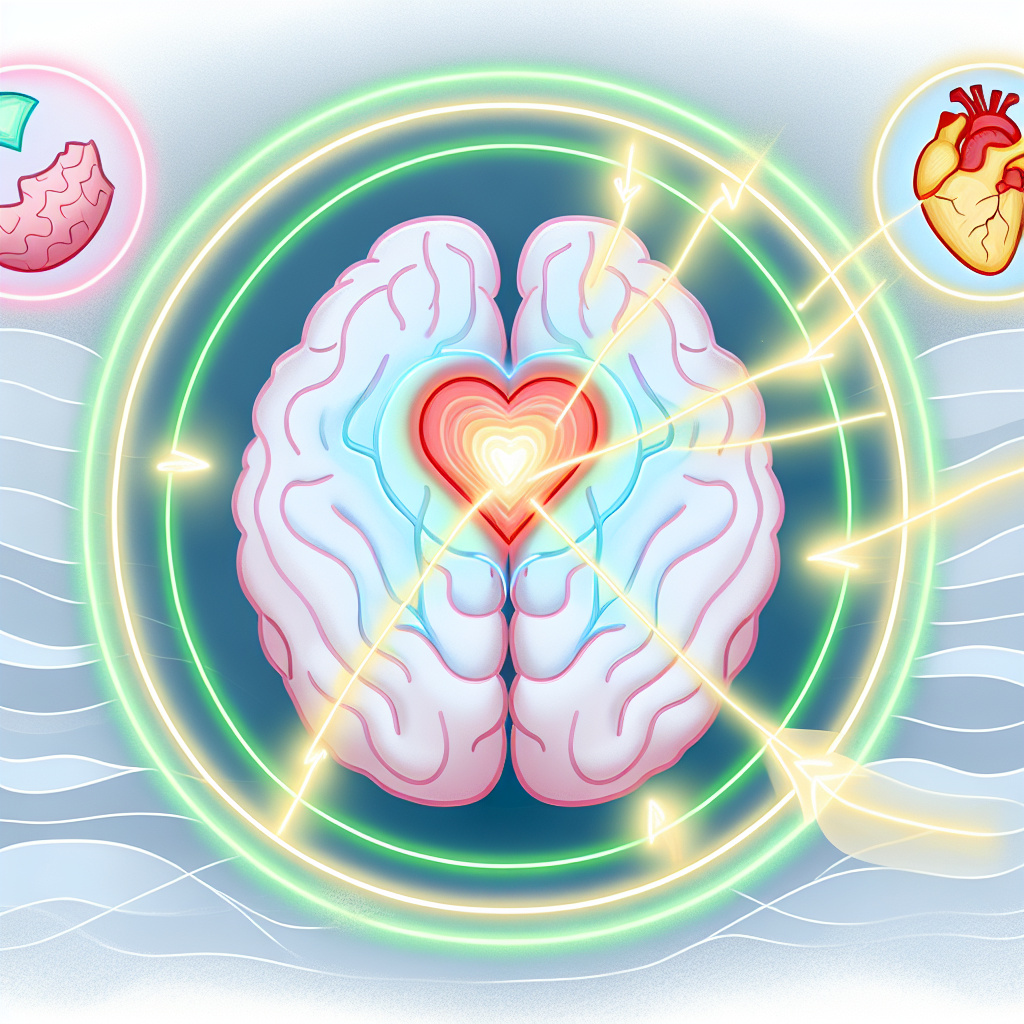
The Emotional Brain Reboot: Unlearning Performance Shame to Restore Arousal
In a society driven by constant achievement, productivity, and perfectionism, our emotional health and capacity for genuine intimacy often get neglected. One particularly harmful result of this pressure is performance shame—a form of internalized self-criticism shaped by unrealistic societal standards. It can disrupt confidence, damage emotional well-being, and negatively affect our ability to connect intimately and experience pleasure.
Studies show that more than 63% of adults struggle with core feelings of inadequacy linked to chronic performance expectations. But there’s good news. Neuroscientific research reveals that by reprogramming the emotional brain, we can dismantle these toxic patterns and replace them with compassion, somatic awareness, and relational healing.
What Is Performance Shame?
Performance shame goes far beyond temporary nervousness or disappointment. It stems from the belief that your value is entirely dependent on how well you perform—whether in your career, relationships, or sex life.
Dr. Brené Brown describes shame as “the intensely painful feeling or experience of believing we are flawed and therefore unworthy of love and belonging.” When this mindset becomes attached to performance, the nervous system slips into a pattern of fear and avoidance.
Unlike motivation, which encourages growth and learning, performance shame fuels chronic stress, emotional disconnection, and even sexual difficulties. Instead of feeling present in intimate moments, individuals may be preoccupied with thoughts like, “Am I doing enough?” This self-monitoring sabotages natural connection and arousal.
The first step to healing this loop is understanding how the emotional brain works under stress—and how we can reset it.
How the Emotional Brain Reacts to Shame
The emotional brain is primarily regulated by the limbic system, which includes the amygdala, hippocampus, and hypothalamus. When we face repeated shame or failure, these brain regions learn to associate vulnerability with danger. Over time, this shapes a hyper-alert nervous system that overreacts even in safe, loving environments.
According to the National Institute of Mental Health, prolonged emotional trauma can structurally alter our brain’s ability to process pleasure and stress. Shameful experiences are not only remembered in our minds—they are stored in the body’s nervous system.
Dr. Peter Levine, founder of Somatic Experiencing, explains that “the emotional brain doesn’t speak English. It speaks in sensations, physical patterns, and repeated relational experiences.” This is why simply thinking positively isn’t enough to retrain the emotional brain.
To genuinely heal, we must engage both emotionally and physically. The body plays a central role in unlearning performance shame and reconnecting with pleasure.
The Emotional Brain Reboot: How to Rewire Your Inner Narrative
Just as a computer overloaded with faulty code needs a reboot, our emotional patterns can be reset. Here are five holistic methods—backed by science and psychology—to begin that transformation:
1. Practice Self-Compassion, Not Self-Criticism
Shame thrives in isolation, but it weakens in the presence of empathy. Dr. Kristin Neff’s research shows that self-compassion dramatically improves emotional resilience and reduces symptoms of anxiety and depression.
Whenever you’re tempted to criticize yourself, pause and ask: “What would I say to a friend in this same situation?”
Affirmation: I am valuable, even when I make mistakes.
2. Reconnect With Your Body Through Somatic Healing
Performance shame often causes us to disconnect from our physical sensations, leading to emotional numbness and loss of pleasure. Somatic practices like yoga, breathwork, mindful stretching, or dance help release stored feelings and ground you in the present moment.
Try a simple five-minute body scan each morning to anchor yourself in awareness before the pressures of the day take over.
3. Reframe Your Internal Dialogue
Many people hold subconscious beliefs like “I’m only lovable if I succeed.” These beliefs can be dismantled through reflective practices such as journaling, inner child work, or talking with a therapist.
Ask yourself: When did I first start believing this? Is it still true today?
Exercise: Rewrite the narrative. Change “I must prove my worth” into “I am worthy by simply being.”
4. Seek Safe and Genuine Connection
Healing from shame requires safe human connection. Whether in therapy, close friendships, or intimate partnerships, being able to share your truth without being judged helps rewire your nervous system to experience safety and acceptance.
Try starting a vulnerable conversation with someone you trust: “I often feel like I’m not enough—but I want to be open with you.” You might be surprised by the supportive response you receive.
5. Rediscover Pleasure Through Play and Curiosity
When was the last time you did something just for the joy of it—with no goal or performance metric? Engaging in unstructured play releases dopamine, the feel-good brain chemical associated with pleasure and motivation.
Engage in an enjoyable hobby—paint, dance, write poetry, or simply rest under the stars. Choose joy without obligation.
Additionally, for those struggling with biological or physiological aspects of intimacy, medical solutions like erectile dysfunction medications can offer short-term support while emotional healing is ongoing. Trusted platforms like edrugstore.com provide safe access to FDA-approved options.
Emotional Aliveness Begins Where Performance Ends
When we release the idea that our worth depends on performance, we reclaim our true selves. Real emotional vitality is not about achieving perfection—it’s about cultivating presence, spontaneity, pleasure, and connection.
This is much bigger than success or intimacy. It’s about forming a relationship with yourself based on compassion, not pressure. When you stop performing your life and start living it—with all your emotions, flaws, and truths—you invite deeper joy and lasting intimacy.
Transform Your Life With Presence, Not Perfection
Releasing performance shame doesn’t mean abandoning ambition. Instead, it means detaching your self-worth from your achievements. By investing in emotional safety, self-compassion, and embodied healing, you open the door to pleasure, passion, and inner peace.
It’s not about being flawless—it’s about being fully human.
For those on this journey, additional support is available for restoring emotional and intimate balance. Personalized treatment options for mental wellness and sexual health can be explored at edrugstore.com.
References:
1. Dahm, T., et al. (2019). “The Prevalence of Self-Criticism and Shame in Adults.” Journal of Mental Health Counseling, 41(3), 231–247.
2. Brown, B. (2012). Daring Greatly. Gotham Books.
3. National Institute of Mental Health (2020). Stress Effects on the Brain. https://www.nimh.nih.gov
4. Neff, K. D., & Germer, C. K. (2013). “A Pilot Study and Randomized Controlled Trial of the Mindful Self‐Compassion Program.” Journal of Clinical Psychology, 69(1), 28–44.
5. Panksepp, J. (1998). Affective Neuroscience: The Foundations of Human and Animal Emotions. Oxford University Press.