
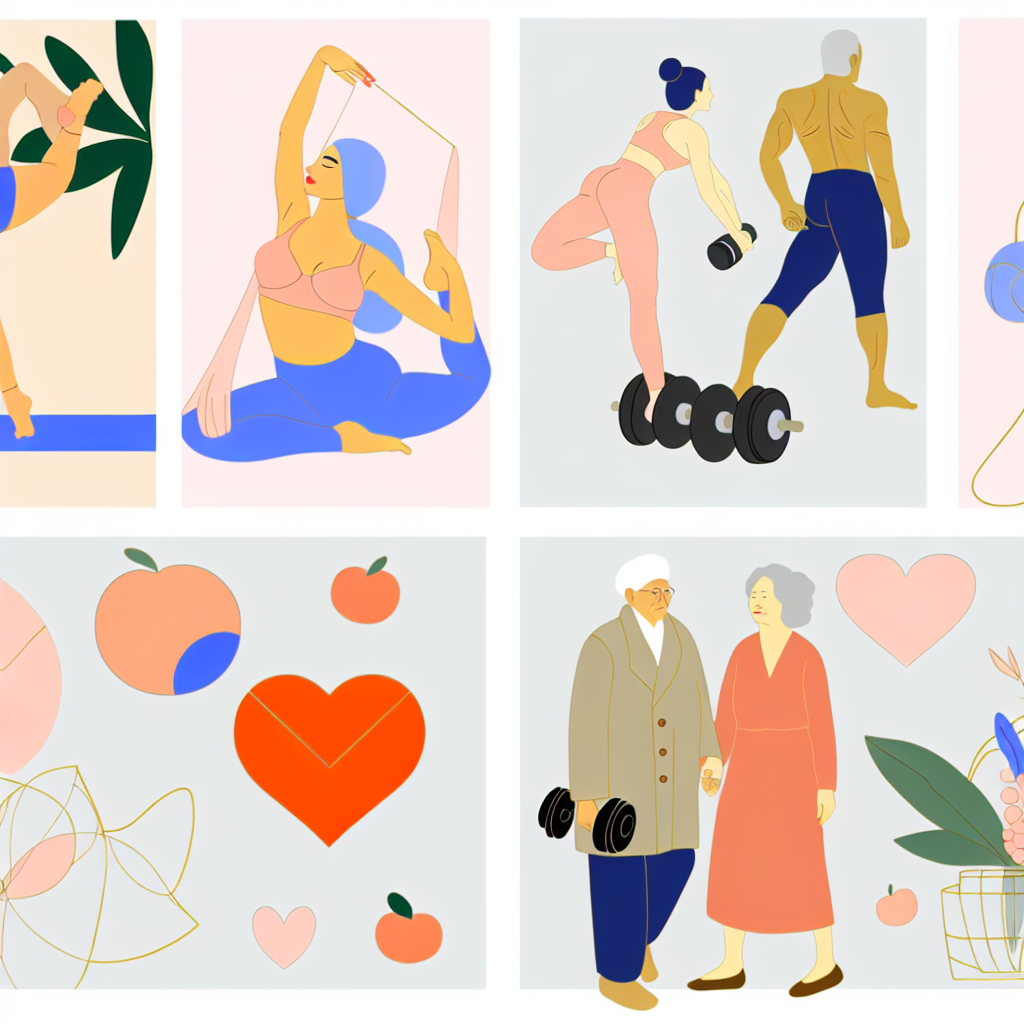
The Flexibility Factor: How Mobility Training Enhances Sexual Function
Sexual wellness is often associated with hormones, emotional connection, and libido—but one key factor that is frequently overlooked is flexibility. While many people prioritize diet, strength, or cardio in their wellness routines, flexibility and mobility training are crucial not only for athletic performance but also for intimacy and sexual satisfaction.
Whether you want to introduce more variety into your sex life or reduce physical discomfort during intimacy, consistent mobility work can make all the difference. Let’s explore how flexibility and mobility can enhance your sexual health and offer real-life steps to begin your journey.
Why Flexibility Plays a Vital Role in Sexual Health
Flexibility refers to the ability of your muscles and joints to move freely through their full range of motion. When paired with mobility training—which incorporates strength and control—you empower your body to perform a wide variety of physical movements more comfortably, including those involved in intimate moments.
Sex isn’t just about attraction or desire. It’s a dynamic interaction between your muscular, nervous, and cardiovascular systems. Without adequate flexibility and joint mobility, movements can become strained or painful, limiting how you express yourself physically and emotionally during sex.
“Most people don’t realize how many muscles are active during sexual activity. Without muscle freedom and pelvic mobility, problems like pain or dysfunction can arise,” says Dr. Rachel Goldman, a licensed psychologist and wellness expert.
Flexibility and mobility positively influence pelvic floor function, which is essential to sexual processes like arousal, orgasm, and bladder control, according to the National Institutes of Health.
For instance, tight hips that limit range of motion during intimacy can be addressed through stretching exercises like lunges or pigeon pose, creating more opportunities for comfortable and satisfying connection.
Improving Circulation Means Better Sexual Function
Mobility training helps increase circulation, which plays a critical role in sexual health. Whether it’s yoga, dynamic stretching, or targeted mobility drills, these activities encourage healthy blood flow that boosts genital sensitivity and overall arousal.
Increased blood flow can enhance arousal and sensitivity in women, and improve erectile function in men. Research published in the Journal of Sexual Medicine reports that nearly 70% of men with strong cardiovascular health experience more consistent and longer-lasting erections.
For women, optimal blood flow enhances natural lubrication and sensitivity, heightening overall pleasure, according to the American College of Obstetricians and Gynecologists.
Engaging in mobility movements like sun salutations or rhythmic stretching routines not only boosts blood circulation but elevates physical energy before intimacy as well.
Pelvic Floor Health: The Core of Sexual Wellness
Your pelvic floor muscles are foundational to your experience of sexual pleasure. These deep internal muscles support orgasm intensity, stamina, and urinary control. Training and strengthening this area can greatly enhance comfort and satisfaction during sex.
Movements like glute bridges, pelvic tilts, and deep squats activate the pelvic floor and surrounding muscles. Research from the Mayo Clinic suggests women who engage in pelvic floor-specific exercises report stronger orgasms and experience less pain during intercourse.
Conversely, tight hips, stiff hamstrings, or a weak core can lead to tension in the lower back or pelvis, disrupting the fluidity of intimate encounters. By releasing tension in these areas, the pelvic floor can function properly—without pain or restriction.
For example, if someone experiences lower back fatigue during intimacy, glute bridges can strengthen their core and reduce discomfort, allowing for longer, more comfortable interaction.
Mobility Builds Confidence in the Bedroom
Physical tension and stiffness can undermine confidence during intimacy. Many people assume their challenges stem from low libido or relationship issues when in fact, physical discomfort is often the root.
Mobility work increases proprioception—your body’s awareness of movement—which leads to greater comfort and sensuality in your skin. Practices such as yoga, mobility flows, and dance-based stretching heighten your connection between body and mind, making you feel more fluid, confident, and expressive.
“Confidence and comfort in your body can significantly improve how you experience sex. Training your mobility is one of the most valuable steps you can take,” says Dr. Justin Lehmiller of the Kinsey Institute.
For instance, someone with tight shoulders might find it challenging to physically relax or engage in intimate closeness. Targeted chest-opening exercises can lead to better posture and greater physical confidence in intimate settings.
Managing Stress to Boost Desire and Pleasure
Stress is a well-known barrier to a satisfying sex life. Cortisol, the stress hormone, can reduce testosterone and suppress sexual desire. Fortunately, mobility routines tend to activate the parasympathetic nervous system, the part of your body responsible for rest, recovery, and intimacy.
Yoga, mindful stretching, and intentional breathwork help calm your nervous system, reduce mental stress, and prepare the body for emotional and physical connection. The American Psychological Association reports that individuals who practice these types of activities show a 31% reduction in stress-related sexual dysfunction.
As a helpful practice, try devoting five minutes before bed to deep breathing or a gentle stretching routine. Not only will this reduce tension, but it will prime your body and mind for intimacy.
Simple Exercises to Improve Flexibility and Sexual Performance
You don’t need long or intense workouts to benefit from mobility training. Just 10 to 15 minutes a day of key exercises can enhance flexibility, blood flow, and pelvic strength—all of which contribute to a better sexual experience.
Here are five simple yet highly effective movements:
Hip Openers: Practice stretches like pigeon pose, seated butterfly, or hip-flexor lunges. These open your hips and add comfort in positions like straddle or missionary.
Pelvic Bridges and Tilts: These strengthen your core and pelvic floor, supporting better muscle control and orgasm response.
Cat-Cow Movements: These gentle flows lubricate your spine and promote pelvic flexibility. They also stimulate circulation and reduce tightness.
Yoga-Based Flows: Beginner yoga routines such as sun salutations unite breath and movement, enhancing both mental clarity and physical ease.
Foam Rolling: This helps release tension in the fascia—the body’s soft connective tissue—improving mobility and tissue health around the thighs, glutes, and lower back.
Conclusion: Mobility Is the Game Changer for Your Sex Life
Flexibility creates freedom—especially during intimacy. Training your body through mobility exercises improves posture, reduces pain, increases circulation, and enhances body confidence. These physical upgrades lead to deeper emotional connection and a higher quality of intimate experiences.
“Sexual health involves being able to experience pleasure without limitation—physically or emotionally,” says Dr. Jennifer Landa, a hormone specialist and wellness author. “Mobility gives people the confidence to fully engage in intimate moments.”
Whether on your own or with a partner, mobility training is a simple, enjoyable way to invest in your sex life. So roll out your mat, tune in to your body, and move toward more satisfying and empowered intimacy.
Explore This Together
Share this article with a partner or friend and start incorporating mobility work into your daily wellness journey. It’s a powerful, shared step toward greater flexibility, body confidence, and joy in your intimate life.
Tags:
Flexibility for Better Sex, Sexual Health, Mobility Training, Pelvic Floor Exercises, Intimacy, Yoga for Couples, Body Confidence, Sex Fitness
References:
1. American College of Obstetricians and Gynecologists. (2020). Women’s Sexual Health
2. Lehmiller, J. (2018). The Psychology of Human Sexuality. Wiley Blackwell
3. Goldman, R. (2021). Healthline Expert Contributor
4. Mayo Clinic. (2022). Pelvic Floor Health and Sexual Function
5. Journal of Sexual Medicine. (2019). Study on Circulatory Health and Erectile Function
6. American Psychological Association. (2020). Stress and its Impact on Sexual Function