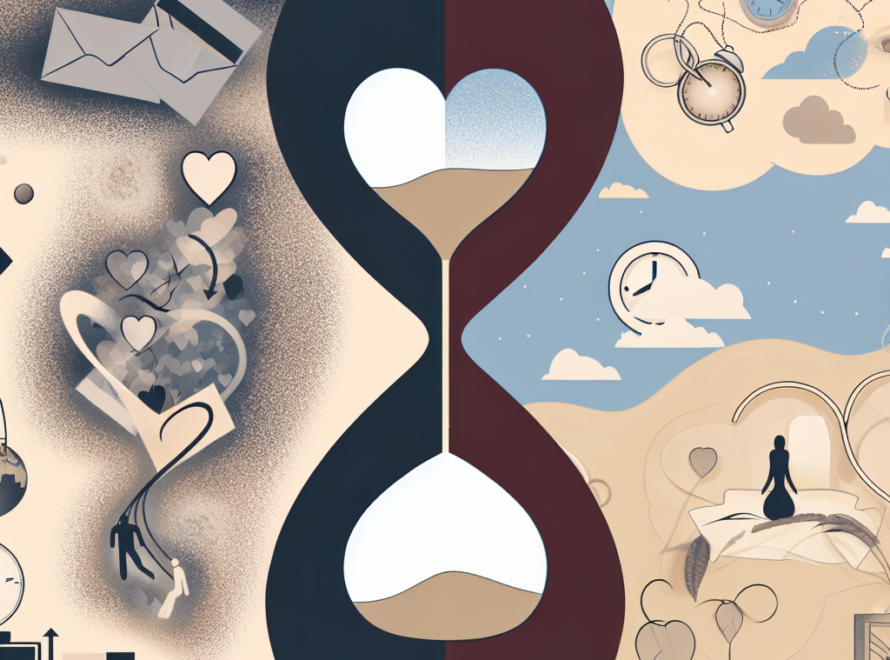

# The Impact of Daily Micro-Rejections on Libido: Understanding the Subtle Erosion of Desire
In the intricate web of human relationships, interactions, and self-perceptions, rejection often looms large. Most are aware of the significant impact that major rejections, such as a breakup or being turned down for a job, have on one’s emotional state and self-esteem. However, it is the subtle, often overlooked micro-rejections we face daily that can quietly erode our sense of self-worth and intimacy, ultimately influencing our libido.
### Recognizing Micro-Rejections: The Silent Underminers
Micro-rejections are the less obvious, everyday slights or dismissive interactions one might encounter. These can appear in various situations: a friend not responding to a message, a partner showing disinterest in a story, or a colleague’s dismissive remark. Such experiences may seem trivial when isolated, but over time, they accumulate, adding an emotional burden. According to Dr. John Gottman, a renowned relationship expert, small negative interactions can significantly outweigh positive ones in close relationships.
### Unraveling the Connection Between Micro-Rejections and Libido
Unlike overt forms of rejection, micro-rejections are stealthy. They can chip away at our confidence and self-esteem, often without us realizing it. This erosion of self-worth can profoundly affect our libido, the natural desire for sexual activity. A study published in the Journal of Sex Research reveals a strong relationship between self-esteem and sexual desire, suggesting that feeling devalued can decrease libido. Libido is not merely a physical response; it is deeply connected to our psychological and emotional state. A healthy self-image and sense of self-worth are critical contributors to a vibrant libido. When compromised by the cumulative effect of micro-rejections, our interest in sexual activity can diminish.
### The Intricate Dance Between Self-Esteem and Sexual Desire
Self-esteem serves as a foundation for sexual desire. When we feel valued and validated, our libido thrives. However, when micro-rejections continually undermine self-esteem, they lead to self-doubt and decreased sexual interest. The relationship between self-esteem and libido is complex and cyclical. Low self-esteem can dampen libido, and reduced libido can further exacerbate feelings of inadequacy. Dr. Laura Berman, a sexual health expert, states, “A positive sense of self is critical in maintaining a healthy sex life.”
### Micro-Rejections in Romantic Relationships: A Barrier to Intimacy
In romantic relationships, micro-rejections can manifest in various ways, such as a partner failing to listen attentively, consistently interrupting conversations, or showing a lack of appreciation. These behaviors, while subtle, can create emotional distance between partners, leading to a decrease in intimacy and a reduced libido. The American Psychological Association outlines that emotional vulnerability is essential for intimacy, and micro-rejections hinder this key element. Partners may not always recognize when these micro-rejections occur, making them challenging to address. This lack of awareness can perpetuate a cycle of emotional disconnection, further diminishing the sexual connection between partners.
### Coping with Micro-Rejections: Steps Towards Resilience
#### Becoming Aware and Acknowledging
The first step to coping with micro-rejections is becoming aware of them. Recognizing that these subtle rejections exist and understanding their impact is crucial. Keeping a journal or reflecting on daily interactions can help identify patterns of micro-rejections and their emotional effects.
#### Enhancing Communication and Seeking Validation
Open communication with partners, friends, and colleagues can help mitigate the effects of micro-rejections. Expressing how certain interactions make you feel and seeking validation can strengthen relationships and reinforce self-worth. Clinical psychologist Dr. Seth Meyers notes that effective communication is key to breaking the cycle of hurt.
#### Building Emotional Resilience
Building emotional resilience is vital in combating the negative effects of micro-rejections. Techniques such as mindfulness, meditation, and self-affirmation can enhance self-esteem and provide a protective buffer against these subtle slights. A report from the Mayo Clinic suggests that these practices can significantly improve emotional health.
#### Fostering Intimacy with Your Partner
In romantic relationships, fostering intimacy and connection can counteract the impact of micro-rejections. Prioritizing quality time, sharing experiences, and engaging in open, honest communication can strengthen the emotional bond, revitalizing sexual interest. Resources on sites like eDrugstore offer various insights into enhancing intimacy among couples.
### Conclusion: Rekindling Desire in a Challenging World
Micro-rejections, though small and often unnoticed, can profoundly impact one’s emotional well-being and libido. By recognizing and addressing these subtle slights, individuals can protect their self-esteem and nurture their sexual desire. Whether through improving communication in relationships, fostering self-awareness, or building resilience, taking steps to counter the effects of micro-rejections can lead to a healthier, more vibrant sense of self and a reawakened libido. Ultimately, this awareness and action pave the way to more fulfilling relationships and a more satisfying intimate life.
By taking the time to understand and address the impact of daily micro-rejections, we empower ourselves to maintain a healthy libido despite life’s subtle challenges. The journey to rekindling desire is not just about physical intimacy; it’s about cultivating a steadfast sense of self-worth in a world where micro-rejections are, unfortunately, an everyday occurrence.
—
### References:
1. Gottman, John, and Silver, Nan. *The Seven Principles for Making Marriage Work*. Three Rivers Press, 1999.
2. The Journal of Sex Research. “The Influence of Self-Esteem on Sexual Desire and Activity.”
3. American Psychological Association. “The Importance of Emotional Vulnerability in Relationships.”
4. Mayo Clinic. “Mindfulness-Based Stress Reduction: Techniques and Benefits.”
5. Berman, Laura. “The Connection Between Self-Esteem and a Healthy Sex Life.”