
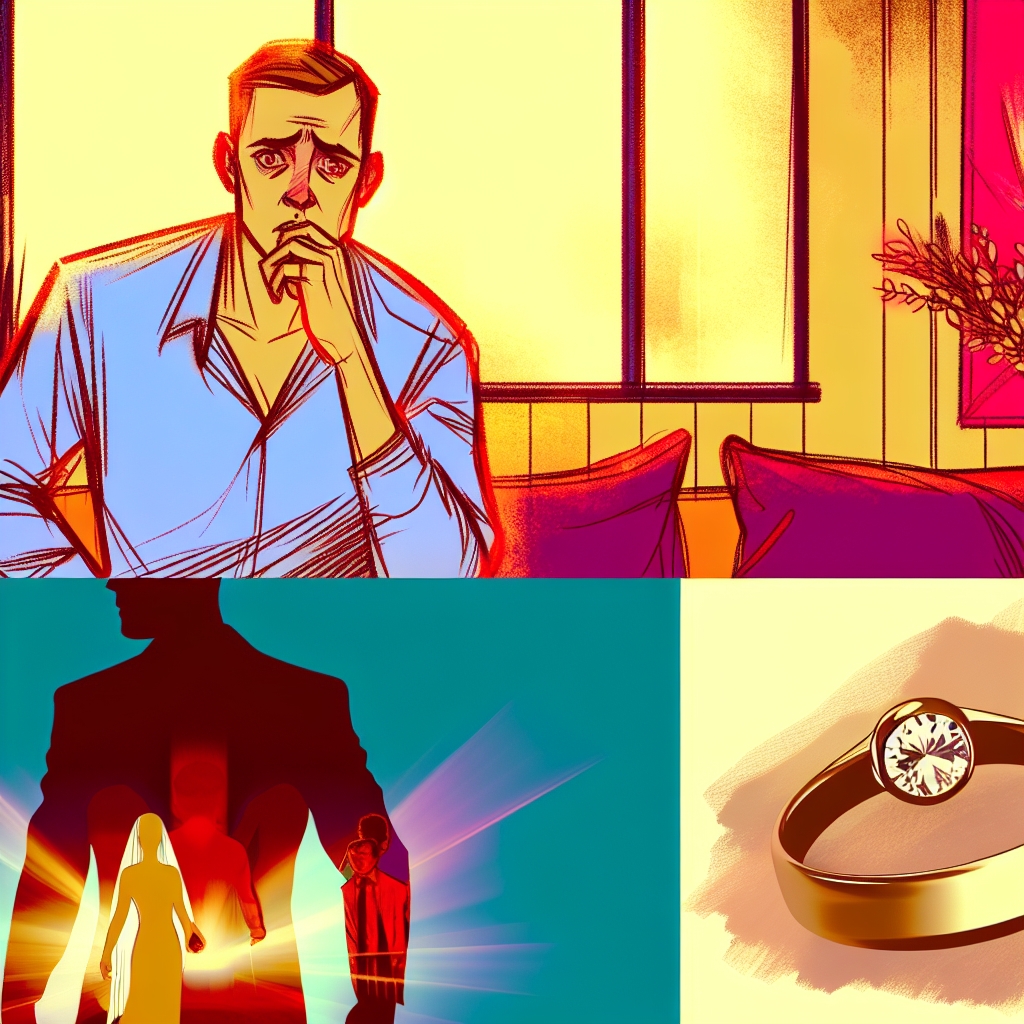
The New Married-Man ED Trend: Why Libido Drops After Security, Not Dating
For decades, erectile dysfunction in young men was primarily associated with aging, health conditions, or hormonal imbalances like low testosterone. However, a new and unexpected pattern is attracting attention: younger men, otherwise healthy and sexually active during dating, are reporting a noticeable decline in libido and sexual performance—after marriage.
This pattern is being called “The New Married-Man ED Trend.” Instead of stemming from physical health issues, this emerging phenomenon is rooted in modern psychology, changing relationship roles, and the realities of long-term commitment.
According to a 2022 study in The Journal of Sexual Medicine, around 25% of men under the age of 40 now report experiencing erectile difficulties. Notably, these challenges often arise after commitment, not before it.¹
So, what changes after “I do”?
Understanding the shift requires exploring more than just biology or bedroom habits. It invites a deeper look at masculinity, routine, role expectations, and emotional connection.
The Psychological Shift from Dating to Marriage
Dating is often described as thrilling—full of adventure, novelty, and mystery. These experiences release dopamine and increase testosterone, creating a powerful biological boost to sexual desire. Licensed sex therapist Dr. Ian Kerner explains, “Novelty stimulates the brain in a way that routine does not—it’s like mental foreplay.”²
Once married, excitement can give way to structure. The routine replaces mystery. What was once stimulating can become predictable. Many men are not experiencing reduced desire for their spouse as much as they are shifting mental gears—from being in “pursuit mode” to “partnership mode.”
This is where libido often starts to fade—not because love or attraction has disappeared—but because the stimulus of newness is gone.
Take for example, Mike, a 34-year-old engineer. In therapy, he said, “In the beginning, I couldn’t wait to be with her. Now, she’s still beautiful, but I feel more like we’re business partners managing life than lovers.”
Daily Routine and Emotional Burnout
Another major player in declining libido after marriage is the daily grind. While security and routine are important for relationship stability, they can also lead to complacency—both emotionally and sexually.
The decline in libido after marriage in men can be traced not to disinterest, but to exhaustion. Juggling full-time work, parenting responsibilities, finances, chores, and the pressure to “have it all together” can be emotionally depleting.
The American Psychological Association has found that chronic stress is one of the most common libido killers for men.³ Over time, stress not only reduces energy but can also give rise to performance anxiety—especially if a man starts feeling his role is to always be “on” in the bedroom.
Consider Brian, a new dad: “By the time we got the baby to sleep and cleaned the kitchen, all I wanted to do was sleep. Then I’d feel like I failed as a husband because I wasn’t in the mood.”
This cycle—of mental overwhelm followed by guilt—can further interfere with desire. Passion doesn’t disappear instantly; it gets squeezed out by life’s demands.
How Masculine Identity Affects Sexual Confidence
Another layer to this emerging trend is the evolving idea of masculinity. When dating, many men connect their sense of worth to feeling wanted and sexually successful. Once married, their roles diversify. They’re no longer just romantic partners; they become providers, parents, planners, and caretakers.
Dr. Andrew Smiler, author of Challenging Casanova, explains, “When men connect their sexual confidence to conquest, commitment can feel like a loss rather than a natural evolution.”⁴
This creates internal confusion. Men may wonder:
– Am I still desirable?
– Without the chase, what drives my sexuality?
– If sex is no longer spontaneous, is it still valid?
These questions often go unspoken, but the emotional tension contributes to what many experience as ED—not from physical dysfunction, but from identity conflict.
Redefining Desire Within Long-Term Relationships
Closeness and emotional intimacy are cornerstones of a healthy marriage. But ironically, while connection deepens, sexual tension can begin to fade. Why? Because the line between intimacy and routine becomes blurred.
Many men report feeling like their partner has shifted from lover to life teammate. Emotional closeness grows, but the spark dims unless actively reignited. In essence, keeping sexual desire alive in marriage takes more than physical attraction—it requires effort and intention.
Psychotherapist Esther Perel, author of Mating in Captivity, shares, “Desire thrives in mystery; safety and intimacy, while vital, must share space with excitement.”⁵
Simple ways to bring back that spark include:
– Planning regular, distraction-free date nights
– Sending playful or flirtatious texts randomly during the day
– Experimenting with new touches, settings, or forms of intimacy
These small actions can contrast everyday routine and reignite desire.
For more support, platforms like edrugstore.com offer tools and resources to help couples maintain strong sexual connections both physically and emotionally.
Why ED Treatment Needs to Address More Than Biology
Too often, ED treatment after marriage focuses only on medication. While solutions like Viagra are effective for many men, they treat symptoms—not root causes.
Dr. Emily Morse, expert in human sexuality and host of the Sex with Emily podcast, reminds us, “Erectile dysfunction isn’t always a penis problem. It’s often a stress, anxiety, or communication issue.”
That’s why combining therapy with physical health checks creates a fuller solution. Whether it’s seeing a couples counselor, speaking with a sex therapist, or just having honest conversations with your partner, addressing the emotional sources of ED is vital.
If health issues have been ruled out, platforms like edrugstore.com can still provide helpful guidance and safe treatment options aligned with your unique situation.
Rebuilding Erotic Connection in Marriage
The good news is that marriage doesn’t have to signal the end of desire. Instead, it can be the start of a more powerful, connected, and emotionally satisfying sexual journey.
This requires a reframe: it’s not about losing the spark—it’s about mastering how to reignite it in new ways. Experts recommend:
– Practicing open, non-judgmental dialogue about sex
– Being curious about your own evolving desires
– Taking initiative to set an erotic tone in the relationship
Sexual confidence doesn’t come from perfect performance. It comes from connection—to your needs, your partner, and your evolving roles.
Conclusion: Rewriting the Narrative Around Married Male Sexuality
The New Married-Man ED Trend isn’t a reflection of failure. It’s an indicator of changing roles, pressures, and emotional expectations placed on modern men.
If you’re experiencing shifts in desire, you’re not alone, and there’s nothing “wrong” with you. Instead, this may be the perfect opportunity to rebuild intimacy—not just physically, but emotionally and intellectually.
With the right mix of awareness, honesty, and resources, it’s entirely possible to rediscover excitement, passion, and pleasure in your relationship.
Visit edrugstore.com for personalized guidance, medical support, and discreet solutions to help enhance your sexual wellness journey.
References:
1. Rosen RC, et al. “Prevalence and Risk Factors of Erectile Dysfunction in Young Men.” The Journal of Sexual Medicine, 2022.
2. Kerner, I. She Comes First: The Thinking Man’s Guide to Pleasuring a Woman. Harper Collins, 2004.
3. American Psychological Association. “Stress in America.” 2021. apa.org
4. Smiler, A. Challenging Casanova: Beyond the Stereotype of the Promiscuous Young Male. Jossey-Bass, 2012.
5. Perel, E. Mating in Captivity. Harper Collins, 2006.
