
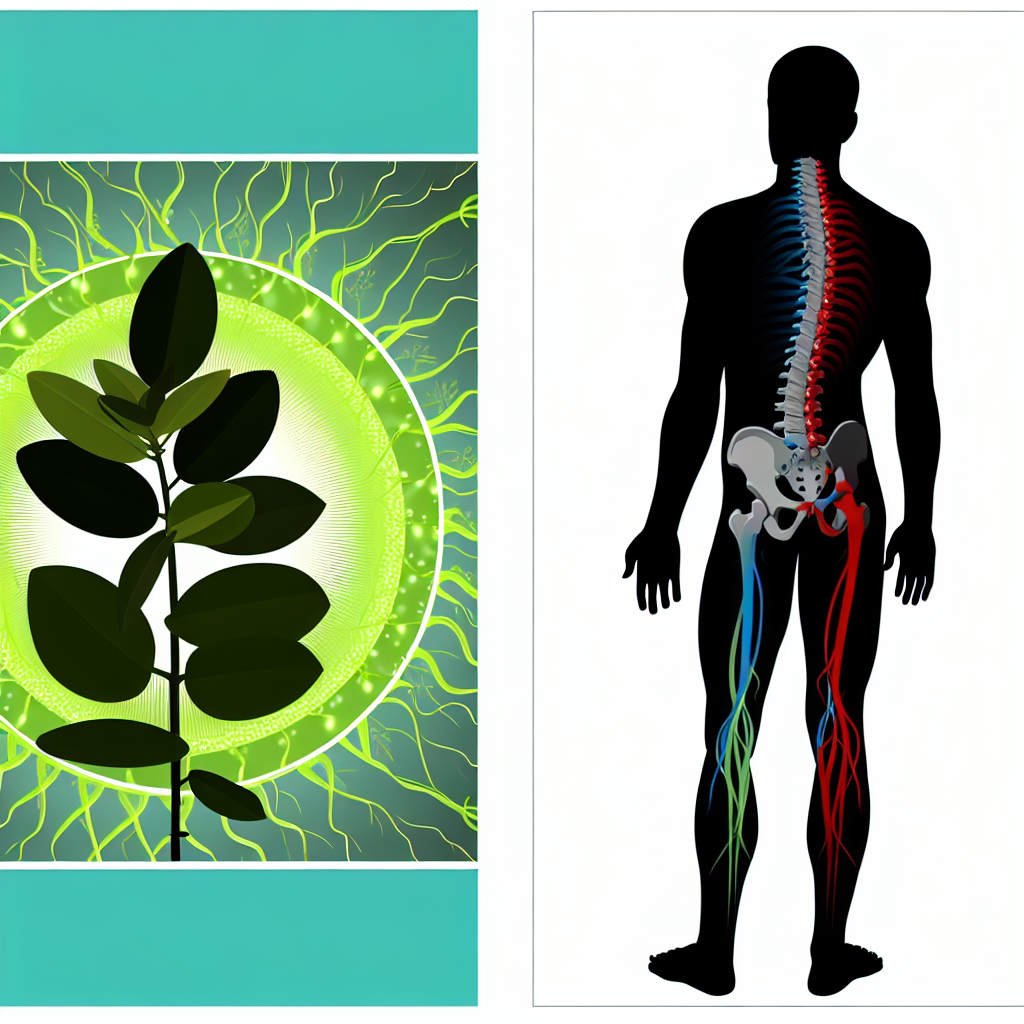
The Hidden Link Between Posture and Erectile Dysfunction
In today’s digital age, many men are facing an overlooked health risk: poor posture. Constant sitting, slouched shoulders, and weakened core muscles may cause a silent but damaging effect on sexual health. Researchers estimate that over 40% of men over the age of 40 experience some form of erectile dysfunction (ED), according to the Cleveland Clinic. While conversations about ED often focus on hormones, heart health, or mental stress, a lesser-known culprit is physical alignment—especially pelvic tilt.
How Pelvic Tilt Quietly Disrupts Performance
The pelvis is the structural bridge between your spine and lower body. When in neutral alignment, it supports balanced movement and function. But thanks to modern lifestyles—where we often sit for 9 to 13 hours a day—this alignment can become distorted, resulting in a condition called anterior pelvic tilt (APT). This occurs when the front of the pelvis drops and the lower back arches forward excessively.
Spine specialist Dr. Stuart McGill explains that a tilted pelvis strains muscles and nerves, impacting core stability and function throughout the body. Anterior pelvic tilt can:
– Tighten and shorten hip flexor muscles
– Weaken the glutes and abdominal muscles
– Increase pressure on the lumbar spine
– Impair blood and nerve flow in the pelvic region
These physical disruptions can directly interfere with the body’s ability to trigger and maintain an erection. Think of your pelvis as the foundation of a home—when it’s uneven, everything built on top wobbles. The same principle applies to your sexual performance.
Understanding the Spine–Erection Relationship
Medications such as Viagra and Cialis, available online through trusted sources like edrugstore.com, provide temporary relief from ED. But they don’t address deeper structural problems. Research shows that issues with spinal alignment may directly impact erectile function through several core mechanisms:
Nerve Function: The nerves that manage arousal—like the pudendal and pelvic splanchnic nerves—originate from the sacral and lumbar spine. Misalignment in this region can disrupt signal transmission essential to arousal.
Postural Muscles: APT weakens the muscles that stabilize the pelvis and over-tightens those that should remain flexible. This affects the pelvic floor—a group of muscles needed for erection strength and ejaculation control.
Blood Flow: A healthy circulatory system is crucial for male performance. Poor posture can create pressure along the arteries and veins that nourish the genitals, compromising blood retention in the penis.
Hormonal Effects: Slouched posture elevates cortisol (the stress hormone), which has been shown to negatively impact testosterone production, a key hormone in libido and erectile response.
According to Dr. Justin Bryant, a physical therapist who specializes in men’s health, “Posture is a lens that reveals broader dysfunction. Misalignment restricts blood flow, interrupts nerve signaling, and even undermines your hormonal balance.”
How Poor Posture Affects More Than Just Your Bedroom
Fixing your posture doesn’t only improve sexual health—it also leads to better overall wellness. Misalignments can affect your digestion, energy, stamina, emotional health, and even your confidence. People suffering from poor posture often report chronic fatigue, low mood, and reduced motivation.
Constant imbalance makes your body work overtime just to maintain basic function, stealing energy away from systems responsible for performance and recovery. By focusing on pelvic alignment, you’re laying the groundwork for a stronger, healthier, and more energetic body.
Simple and Actionable Fixes for Pelvic Misalignment
Fortunately, the path to better alignment and restored function doesn’t require surgery or intense medication. Try incorporating these posture-correcting strategies into your daily routine:
Check Your Alignment in the Mirror
Stand sideways and observe:
– Is your lower back significantly curved?
– Does your abdomen stick out while your glutes protrude?
These signs suggest an anterior pelvic tilt. If unsure, consult a physical therapist or posture specialist for an expert diagnosis.
Stretch the Muscles That Contribute to Tilt
Stretching helps lengthen overactive or tight muscles. Perform 2 to 3 focused stretching routines per day for:
– Hip flexors (especially the psoas major)
– Lower back muscles (like the erector spinae)
– Quadriceps
Strengthen the Supporting Muscles
Building strength in weak muscle groups helps restore balance. Focus on:
– Glutes (glute bridges, goblet squats)
– Hamstrings (Romanian deadlifts, stability ball curls)
– Core stabilizers (planks, bird dogs, and dead bugs)
Practice Pelvic Tilts Daily
Lie on your back with your knees bent and feet flat. Gently tilt the pelvis so your lower back presses into the floor. Hold the position for five seconds and repeat 10 to 15 times. Consistency is key to retraining your body.
Reduce Time Spent Sitting
Get up and move every 30 minutes. Consider using a standing desk or sitting on a stability ball to engage your core throughout the day. Prolonged sitting weakens postural muscles and accelerates tilt.
Train the Pelvic Floor
Men can benefit greatly from regular pelvic floor exercises, commonly known as Kegels. These exercises support erection control by improving muscle tone and blood flow. Try 3 sets of 10 to 15 contractions daily.
Work With a Professional
Enlisting a chiropractor, physical therapist, or movement specialist trained in biomechanics can fast-track your recovery. A personalized routine for posture correction may deliver better results than DIY attempts alone.
Conclusion: Rebuild from the Ground Up
Many men assume ED stems solely from aging or hormones—yet structural issues, including poor posture and pelvic misalignment, could be the missing link. These imbalances disrupt blood flow, nerve communication, and key muscle function, all of which are essential for healthy erections.
By focusing on realigning your spine and strengthening the right muscles, you may not only reclaim performance but also boost your vitality, posture, and overall wellbeing.
To explore custom ED treatments while improving your physical foundation, visit edrugstore.com for fast, discreet options.
Small adjustments today can lead to confident performance tomorrow—without unnecessary reliance on pills.
Have You Noticed the Effects of Posture on Your Health?
Share your story below or put these posture tips into action and tell us what worked for you.
Relevant Sources
1. Cleveland Clinic. “Erectile Dysfunction (ED).” Accessed May 2024. https://my.clevelandclinic.org/health/diseases/10036-erectile-dysfunction
2. Garcia, Kristen. “The Dangers of Sitting: Why It’s The New Smoking.” Mayo Clinic, 2023.
3. McGill, Stuart. Low Back Disorders. Human Kinetics Publishers, 2015.
4. Harvard Health Publishing. “Stress, Hormones, and ED.” Harvard Medical School, 2022. https://www.health.harvard.edu/mens-health/stress-the-libelous-link-in-erectile-dysfunction
5. American Posture Institute. “Posture’s Powerful Effects on Performance.” 2023.
Explore posture-friendly solutions and sexual wellness support tailored to you at edrugstore.com.

