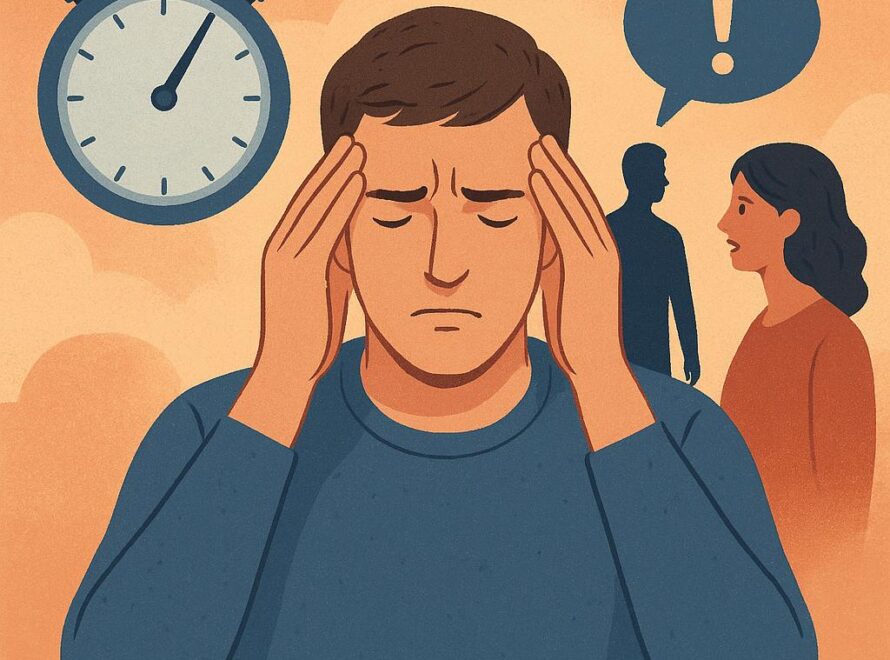

The Timing Strategy: Unlock the Power of When for Prostate Health
Why Timing Matters for Men Over 50
For men over 50, maintaining prostate health becomes a top priority. Common prostate issues—such as benign prostatic hyperplasia (BPH), prostatitis, and prostate cancer—affect millions annually. In fact, nearly 50% of men in their 50s show signs of BPH, and prostate cancer remains the second most diagnosed cancer among men in the United States (CDC, 2022).
While a nutritious diet and daily movement are crucial, emerging research shows that when you eat, sleep, and exercise can have just as much impact on your prostate health as what you do. This timing-focused approach, known as the “Timing Strategy,” works with your body’s internal clock—also called the circadian rhythm—to improve hormones, reduce inflammation, and boost your immune system.
As Dr. Michael Greger, author of How Not to Die, explains, “It’s not just what we eat, but when we eat, that profoundly affects our hormones and long-term disease risk.”
Let’s explore how smart scheduling around meals, workouts, and sleep can help you protect your prostate.
Meal Timing: Use Your Plate to Balance Hormones and Fight Inflammation
Eating irregularly—like skipping breakfast, dining late at night, or overeating after dark—can disrupt your metabolism and throw hormone levels out of sync. Testosterone, for example, is highest in the morning and gradually declines through the day.
A study published in The Journal of Clinical Endocrinology & Metabolism found that men who ate earlier in the day had healthier metabolic profiles and lower markers of inflammation compared to those who primarily consumed calories at night (Facer-Childs et al., 2019). Since chronic inflammation can contribute to both enlarged prostate and cancer development, your meal schedule plays a direct role in prostate wellness.
What You Can Do:
– Enjoy a hearty, nutrient-rich breakfast or lunch—featuring protein, antioxidants, and healthy fats—rather than saving your biggest meal for the evening.
– Avoid eating within two hours of bedtime to reduce overnight inflammation and support your body’s ability to repair while you sleep.
– Incorporate anti-inflammatory foods such as wild salmon, walnuts, chia seeds, and cruciferous vegetables like kale, cauliflower, and Brussels sprouts.
Example: Instead of reaching for fast food late at night, opt for a balanced, satisfying lunch—like grilled salmon with quinoa and steamed broccoli. Your prostate will benefit, along with your digestive and cardiovascular systems.
Learn more about managing prostate health naturally through eDrugstore.com’s expert resources for men.
Optimal Exercise Timing: Train Your Body and Boost Testosterone the Smart Way
Regular exercise is one of the most powerful tools for reducing prostate-related risks. It helps maintain a healthy weight, reduces inflammation, and supports hormone balance. According to Harvard Health Publishing, men who are physically active are nearly 30% less likely to develop advanced prostate cancer compared to sedentary individuals.
Timing matters here too. Morning or early afternoon workouts enhance testosterone production, improve blood sugar levels, and positively influence your sleep at night—all important for maintaining hormonal health and immune defenses.
What You Can Do:
– Aim for at least 150 minutes per week of moderate aerobic activity like brisk walking, swimming, or biking.
– Incorporate 2–3 days of strength training exercises to build lean muscle and support pelvic strength.
– Schedule workouts earlier in the day to avoid suppressing melatonin, a sleep hormone that also has cancer-fighting properties.
Example: Replace your late-night gym routine with a 30-minute morning walk before work. It’ll enhance energy, mood, and hormone function throughout the day.
Sleep: Critical Recovery Time for Hormonal and Immune Defense
Sleep isn’t a luxury—it’s a necessity for prostate and overall health. Research shows that men who sleep less than six hours per night are up to 60% more likely to develop prostate cancer (Market et al., 2017). Quality sleep regulates testosterone, reduces harmful inflammation, and strengthens the immune system.
Melatonin, a hormone released during sleep, plays a key role as an antioxidant and protector against prostate cancer. Ensuring adequate rest allows your body to repair, rebalance hormones, and eliminate damaged cells.
What You Can Do:
– Strive for 7 to 9 hours of consistent, uninterrupted sleep each night.
– Stick to a routine—ideally asleep by 10 PM and waking around 7 AM.
– Avoid screens for at least one hour prior to bed; the blue light emitted from electronic devices can suppress melatonin production by as much as 50%.
– Create a sleep-friendly environment by keeping your bedroom cool (around 65°F), quiet, and dark.
Example: Swap late-night screen time for a calming bedtime ritual—like reading or doing a 20-minute guided meditation at 9 PM. This promotes deeper sleep and allows your body’s hormone and immune systems to reset properly.
Sample Daily Routine: A Timing Blueprint for Prostate Health
Integrating the Timing Strategy into your day doesn’t mean a complete lifestyle overhaul. With a few shifts in scheduling, you can align your biological rhythms to work in your favor. Here’s an example routine to guide you:
– 7:00 AM – Wake up and enjoy 15 to 30 minutes of sunlight to reset your internal clock.
– 7:30 AM – Eat a high-protein breakfast, such as scrambled eggs with spinach and avocado.
– 8:00 AM – Engage in light exercise: a brisk walk, yoga, or resistance training.
– 12:00 PM – Have your main meal packed with nutrients like grilled chicken, sweet potatoes, and leafy greens.
– 1:00 to 3:00 PM – Take a short walk or do light stretching to support digestion and circulation.
– 6:00 PM – Eat a light, plant-based dinner (e.g., lentil soup with a small salad).
– 8:00 PM – Begin your wind-down routine with breathing exercises, journaling, or a warm bath.
– 9:30 PM – Power down all electronic devices and reduce lighting.
– 10:00 PM – Sleep in a cool, dark room for full hormonal and cellular rejuvenation.
Following a schedule like this can align your body with its natural rhythm, optimizing hormone function, cellular repair, and inflammation control—all of which support long-term prostate resilience.
The Takeaway: Timing is a Critical Ally in Prostate Health
While no single tactic can eliminate prostate disease risk, syncing your habits with your body’s internal clock can produce measurable benefits. The Timing Strategy emphasizes that it’s not just what you do—but when you do it—that affects your well-being.
As Dr. Satchin Panda, author of The Circadian Code, puts it: “When we eat, sleep, and move in sync with our biological clock, the body experiences less stress and better healing. That includes tissue growth and hormonal rebalancing—key to prostate and overall men’s health.”
So ask not just what you should be doing for your health—but when. Your prostate deserves the right timing to thrive.
Support Your Prostate Health with Expert Guidance
Want personalized solutions for maintaining or improving your prostate health? Explore expert-backed tips, resources, and treatment options at eDrugstore.com.
Sign up for our men’s wellness newsletter and receive timely updates on the latest science, nutrition advice, and health strategies delivered directly to your inbox.
References
– Centers for Disease Control and Prevention (CDC). (2022). Prostate Cancer Statistics.
– Facer-Childs, E. et al. (2019). “Circadian rhythms and eating behavior in humans.” The Journal of Clinical Endocrinology & Metabolism.
– Market et al. (2017). “Sleep duration and prostate cancer risk: The Health Professionals Follow-up Study.” Cancer Epidemiology.
– Harvard Health Publishing. (2021). “Exercise and Prostate Health.”
– National Cancer Institute. (2020). “Melatonin and Cancer Risk.”
– Greger, M. (2015). How Not to Die. Flatiron Books.
– Panda, S. (2018). The Circadian Code. Rodale Books.
Let time work for your health—because your prostate deserves precision.