
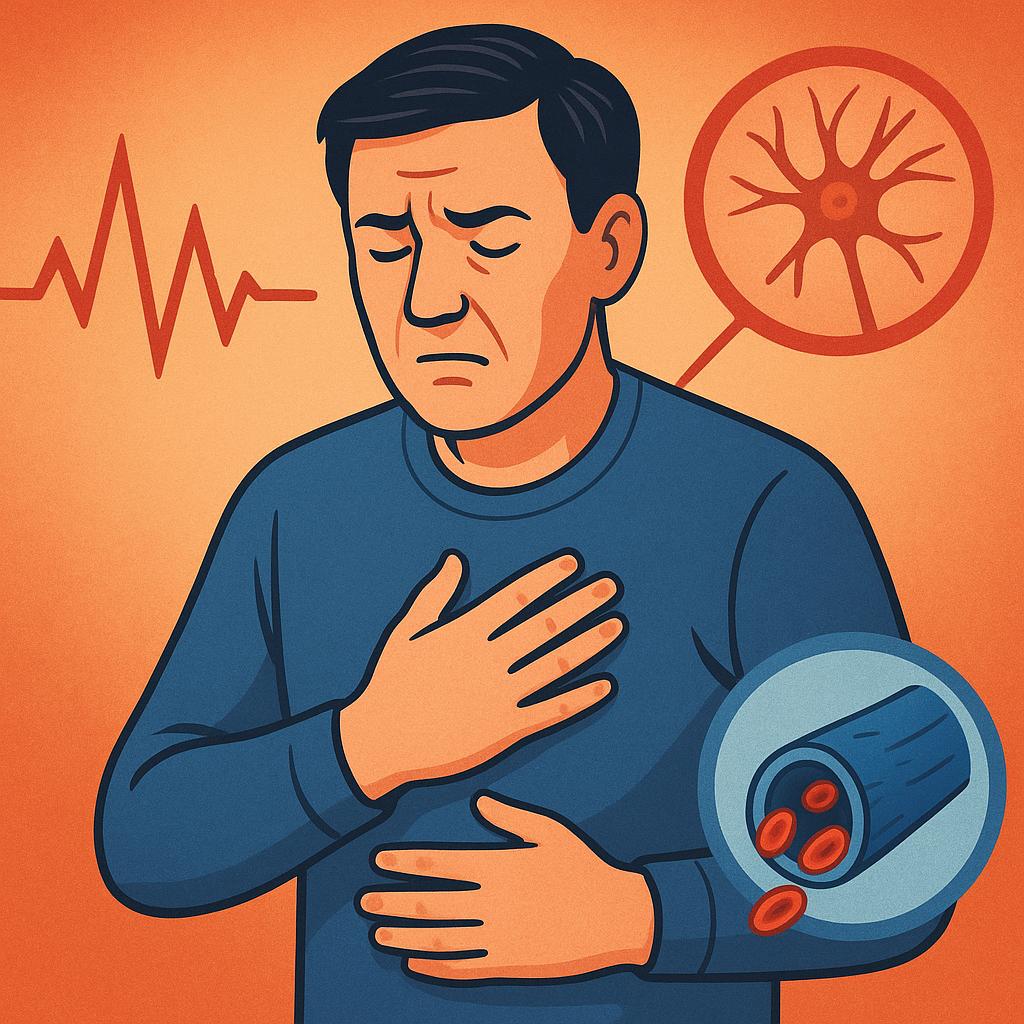
Erectile function is a crucial aspect of men’s health, and fluctuations in performance can be a concern. While occasional changes in function are often normal, persistent ups and downs may point to underlying issues with nerves or blood vessels. Understanding these potential causes is vital for diagnosis and treatment.
How Nerve Health Affects Erectile Function
The nervous system plays an essential role in achieving and maintaining an erection. A complex interaction between the brain, nerves, and muscles ensures proper blood flow to the penis. Any disruption to this communication can lead to erectile dysfunction (ED).
Neurological conditions such as multiple sclerosis, Parkinson’s disease, and spinal cord injuries can impair nerve signals, leading to fluctuating erectile function. In some cases, surgical interventions or trauma affecting the pelvic nerves may also contribute to these issues.
The Role of Blood Vessels in Erectile Health
Blood vessel health is critical for erectile function. The dilation of blood vessels in the penis allows for increased blood flow, leading to an erection. However, when blood vessels are damaged or narrowed, as in the case of atherosclerosis or high blood pressure, achieving and maintaining an erection becomes challenging.
Conditions such as diabetes and cardiovascular disease are closely associated with vascular problems and can lead to fluctuating erectile function. It is important for men experiencing these changes to consider an evaluation of their cardiovascular health.
Diagnosis and Treatment Options
Diagnosing the cause of erectile function fluctuations requires a thorough medical evaluation. Healthcare providers may conduct physical exams, blood tests, and imaging studies to identify underlying conditions affecting nerve or vascular health.
Treatment options depend on the identified cause. For instance, managing underlying conditions such as diabetes or high blood pressure can improve vascular health, while therapies and medications may help restore nerve function. In some cases, lifestyle changes, including diet and exercise, may significantly enhance erectile health.
The Role of Telemedicine
Telemedicine has become a valuable tool in managing men’s health issues, including erectile dysfunction. Through virtual consultations, men can discuss their symptoms with healthcare providers and receive appropriate guidance without the need for an in-office visit. This approach offers convenience and privacy, making it easier for men to seek help.
Telemedicine consultations can help identify potential nerve or vascular issues and facilitate timely referrals for specialized care if necessary. Additionally, it provides ongoing support and monitoring of treatment progress.
When to Seek Medical Advice
Men experiencing persistent fluctuations in erectile function should consider consulting healthcare professionals to rule out underlying problems. Understanding the potential warning signs and seeking early diagnosis can lead to more effective management and improved quality of life.
By leveraging modern healthcare approaches such as telemedicine, men can access the care they need efficiently and effectively, ensuring any nerve or blood vessel-related issues are addressed promptly.
References
National Institute of Diabetes and Digestive and Kidney Diseases. Erectile Dysfunction.
Mayo Clinic. Erectile Dysfunction.
Cleveland Clinic. Erectile Dysfunction.
Urology Care Foundation. Erectile Dysfunction.
American Urological Association. Erectile Dysfunction.