
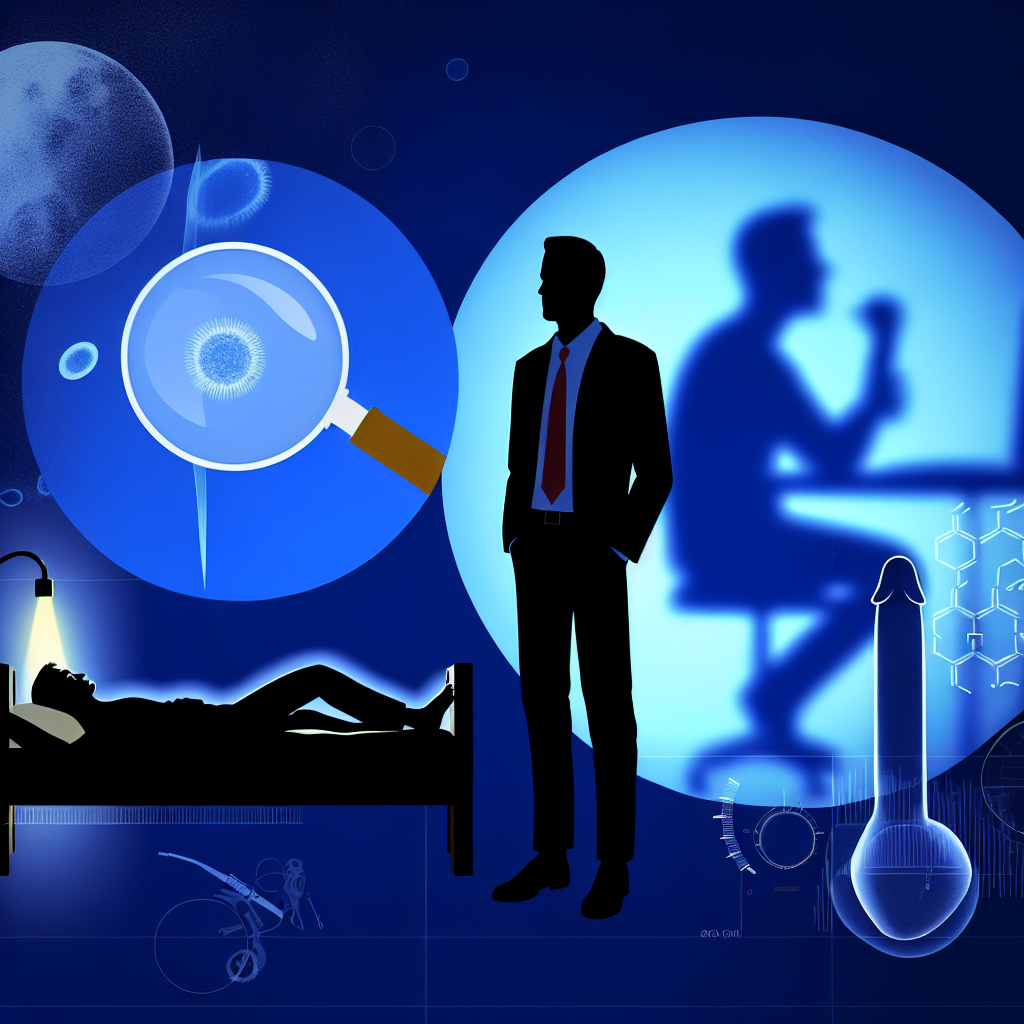
## Understanding Erectile Dysfunction
Erectile dysfunction (ED) is a complex condition affecting about 30 million men in the United States alone, as noted by the National Institutes of Health in 2021. While often discussed in hushed tones, ED significantly influences both psychological well-being and relationship health. A particularly puzzling scenario occurs when men experience normal erections during sleep or masturbation but not during partnered sexual encounters. This pattern poses challenges for those affected and the clinicians who work to diagnose and treat ED. Let’s explore the factors that contribute to this situation and how professionals interpret this unique pattern.
## The Science of Erectile Function
Erectile function is a multifaceted process involving psychological, neural, hormonal, and vascular systems. Sexual arousal triggers the brain to send signals that release chemicals, increasing blood flow to the penis to achieve an erection. However, this process can be interrupted by issues ranging from anxiety to physiological complications, such as poor circulation or nerve damage, as explained by Johns Hopkins Medicine in 2020.
## Erections During Sleep and Masturbation
Many men experience nocturnal erections, especially during the REM phase of sleep—a typical physiological response that contributes to penile health. Similarly, it is often easier to achieve an erection during masturbation due to the lack of performance pressure and anxiety that can accompany partnered sex. In a private, non-judgmental setting, men often find themselves more able to maintain erections consistently.
## Psychological Influences on Erectile Function
Psychological factors play a substantial role in varying erectile function. Performance anxiety is a common trigger for ED. The pressure to please a partner can be overwhelming, disrupting the natural erection process. In contrast, sleeping and masturbating lack the social pressures present in partnered sexual situations. Dr. John Smith, a psychologist with expertise in sexual health, states, “Performance anxiety can be a debilitating factor, but understanding its role is the first step toward addressing it.”
Relationship dynamics significantly influence erectile health. Emotional stress stemming from conflicts, lack of intimacy, or unresolved issues may physically manifest as ED during partnered sex. Men experiencing discord with partners might subconsciously associate intimacy with stress.
## Physiological and Hormonal Considerations
While psychological factors often dominate the conversation, physical contributors also play a crucial role. Conditions like diabetes, cardiovascular diseases, and hormonal imbalances, such as low testosterone, can impair erectile function. However, normal nocturnal erections typically suggest that the physical structures responsible for erections are intact, steering clinicians towards psychological causes.
Testosterone and hormones are essential for sexual function. Low levels may decrease sexual desire, although they are generally evaluated alongside other symptoms. Clinicians may assess hormone levels to rule out endocrine issues that contribute to ED.
## Evaluating Erectile Dysfunction: The Clinician’s Approach
In evaluating ED, clinicians adopt a comprehensive strategy that considers both physical and psychological elements. Observing a pattern of normal erections during sleep or masturbation but not during partnered sex offers insights into the nature of ED.
### Psychosexual Evaluation
Clinicians gather detailed sexual histories and conduct psychological assessments to explore factors such as relationship dynamics and mental health, which may contribute to anxiety or distress, as highlighted by the Mayo Clinic in 2019.
### Nocturnal Penile Tumescence Testing
Monitoring sleep-time erections helps identify psychological as the primary ED factor since erections during this period don’t necessitate conscious control.
### Physical Examination and Testing
Blood tests, Doppler ultrasound, and hormone evaluations help rule out physical causes. For instance, a Doppler ultrasound can pinpoint blood flow issues contributing to ED.
## Addressing Lifestyle Factors
Clinicians also explore lifestyle choices, such as smoking, alcohol use, and exercise habits, since these can affect erectile health. Often, advice includes making lifestyle changes conducive to improved sexual health.
## Treatment Approaches for Erectile Dysfunction
After a thorough assessment, clinicians develop a tailored treatment plan. For cases where anxiety or psychological factors are primary, psychotherapy or counseling, including Cognitive Behavioral Therapy (CBT), is effective in reducing performance anxiety and enhancing sexual function.
For physiological causes or when a multifactorial approach is required, medications such as phosphodiesterase type 5 inhibitors, including Viagra or Cialis, can be prescribed. These drugs enhance the effects of nitric oxide, a natural chemical in the body that relaxes penile muscles, aiding erections.
## Conclusion
Erectile dysfunction goes beyond physical symptoms, intricately involving psychological and relational aspects. Understanding patterns such as normal erections during sleep or masturbation, but not during partnered sex, highlights the significant roles of psychological and relational factors. Clinicians take a comprehensive approach, considering both physical and mental dimensions, to achieve better sexual satisfaction, improved relationships, and overall well-being.