## Understanding the Complexity of Erectile Function
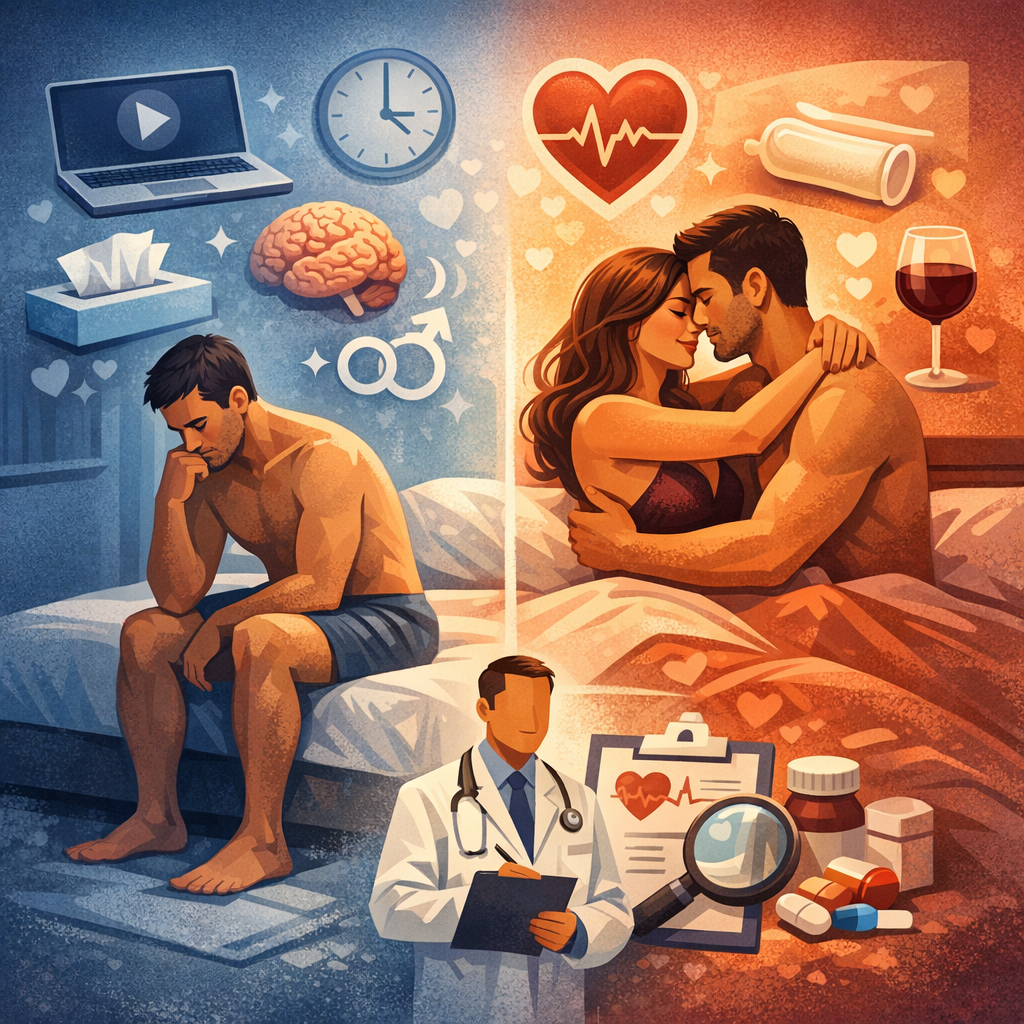
Erectile function involves a complex interplay of physiological and psychological processes, showing significant variability between solo masturbation and partnered sexual activities. Numerous studies, including one published in the Journal of Sexual Medicine, suggest that erectile responses can vary depending on the context of the activity. Approximately 30% of men report differences in erectile function between these contexts. Understanding these distinctions is essential for healthcare providers who assist men with erectile concerns.
## Physiological Factors Influencing Erectile Function
Erections are the result of a sophisticated interaction between the nervous, vascular, and endocrine systems, with blood flow being crucial for achieving an erection. Various physiological factors can impact this flow.
### The Role of the Autonomic Nervous System
The autonomic nervous system, comprising the sympathetic and parasympathetic divisions, plays a vital role in erectile function. During solo masturbation, the parasympathetic nervous system tends to dominate due to minimal stress, which facilitates erections. In contrast, the sympathetic nervous system might prevail during partnered activities, potentially leading to difficulties if performance anxiety is present.
### Hormonal Fluctuations and Their Impact
Stress and lifestyle factors can cause fluctuations in hormones like testosterone, which are essential for sexual arousal and erectile function. Dr. Susan White, a leading endocrinologist, explains, “Testosterone levels are often more stable during solo activities, which may account for fewer erectile issues compared to partnered situations.”
### Blood Flow Dynamics
The physiological context during sexual arousal can also influence how blood is directed to the penile tissues. In solo activities, blood flow may be more consistent due to the absence of the pressure to please a partner, potentially leading to more stable erectile function.
## Psychological Influences on Erectile Function
In addition to physiological factors, psychological influences are key in determining erectile performance across different contexts.
### The Anxiety of Performance
Performance anxiety is a significant psychological barrier during partnered sex. The fear of failing to satisfy a partner can create psychological distractions, inhibiting the crucial neural pathways necessary for erection. Researchers at the American Psychological Association note that about 40% of men have experienced this form of anxiety.
### Concerns About Self-Image
Worries about body image or sexual skills can interfere with arousal during partnered activities. Men might feel more self-conscious about their appearance, affecting their erectile function.
### The Importance of Intimacy and Connection
A lack of emotional connection with a partner can impact sexual arousal and the ability to maintain an erection. These factors are less prevalent in solo masturbation, which might allow smoother sexual function, as emphasized by Dr. Laura Green, a clinical psychologist.
### The Effects of Stress and Mental Health
External stressors and mental health issues, such as depression, have a significant impact on sexual performance. The National Institute of Mental Health reports that depression affects approximately 6 million men in the U.S., highlighting its potential influence on partnered sexual activities.
## How Clinicians Can Address Erectile Function Concerns
A comprehensive understanding of the different factors influencing erectile function is vital for clinicians treating erectile dysfunction (ED).
### Importance of Patient History
Clinicians should thoroughly evaluate an individual’s sexual and overall health history to identify underlying issues contributing to erectile variability.
### The Role of Lifestyle Factors
Discussing lifestyle choices, such as diet, exercise, smoking, and alcohol use, is essential since these elements can affect erectile function. Incorporating modifications into daily routines can improve erectile performance.
### Counseling and Therapy Benefits
For many men, psychological factors are predominant, making sexual counseling or cognitive-behavioral therapy beneficial. Addressing performance anxiety and relationship stressors through therapy is crucial.
### Encouraging Open Communication
Encouraging open dialogue between partners can alleviate psychological pressures and enhance erectile functionality during partnered activities.
### Options for Medical Treatment
When physiological issues are identified, medical interventions, including PDE5 inhibitors, vacuum devices, or surgical options, may be considered to improve erectile function.
## Conclusion
Erectile function is influenced by various physiological and psychological factors, leading to differences between solo and partnered sexual activities. By understanding these components, men can receive better support in managing erectile concerns. Clinicians have a key role in identifying the underlying causes of erectile variability and guiding patients to effective treatment or management strategies, ultimately enhancing overall sexual health.
**References**:
– Journal of Sexual Medicine: Erectile Dysfunction Variability
– American Psychological Association: Managing Performance Anxiety
– National Institute of Mental Health: Depression Statistics
– Expert insights from Dr. Richard J. Brown and Dr. Susan White