
SEO_TITLE:
Do Plant-Based or Paleo Diets Affect PSA Levels?
SEO_DESCRIPTION:
Explore if plant-based or paleo diets influence prostate-specific antigen levels. Understand the potential impact on prostate health and related conditions.
FOCUS_KEYPHRASE:
plant-based paleo diet PSA levels
SLUG:
plant-based-paleo-diet-psa-levels
SOCIAL_TITLE:
Do Diets Impact PSA Levels?
SOCIAL_DESCRIPTION:
Learn about the potential effects of plant-based and paleo diets on prostate-specific antigen levels and what it means for men’s prostate health.
WORDPRESS_TITLE:
Do Plant-Based or Paleo Diets Influence PSA Levels?
ARTICLE_HTML:
Do Plant-Based or Paleo Diets Affect PSA Levels?
Understanding PSA and Its Importance
Prostate-specific antigen (PSA) is a protein produced by cells in the prostate gland. It is present in small quantities in the blood of men with healthy prostates but may be elevated in conditions such as prostate cancer or prostatitis. Regular PSA testing is commonly used in the screening and monitoring of prostate health.
The Role of Diet in Prostate Health
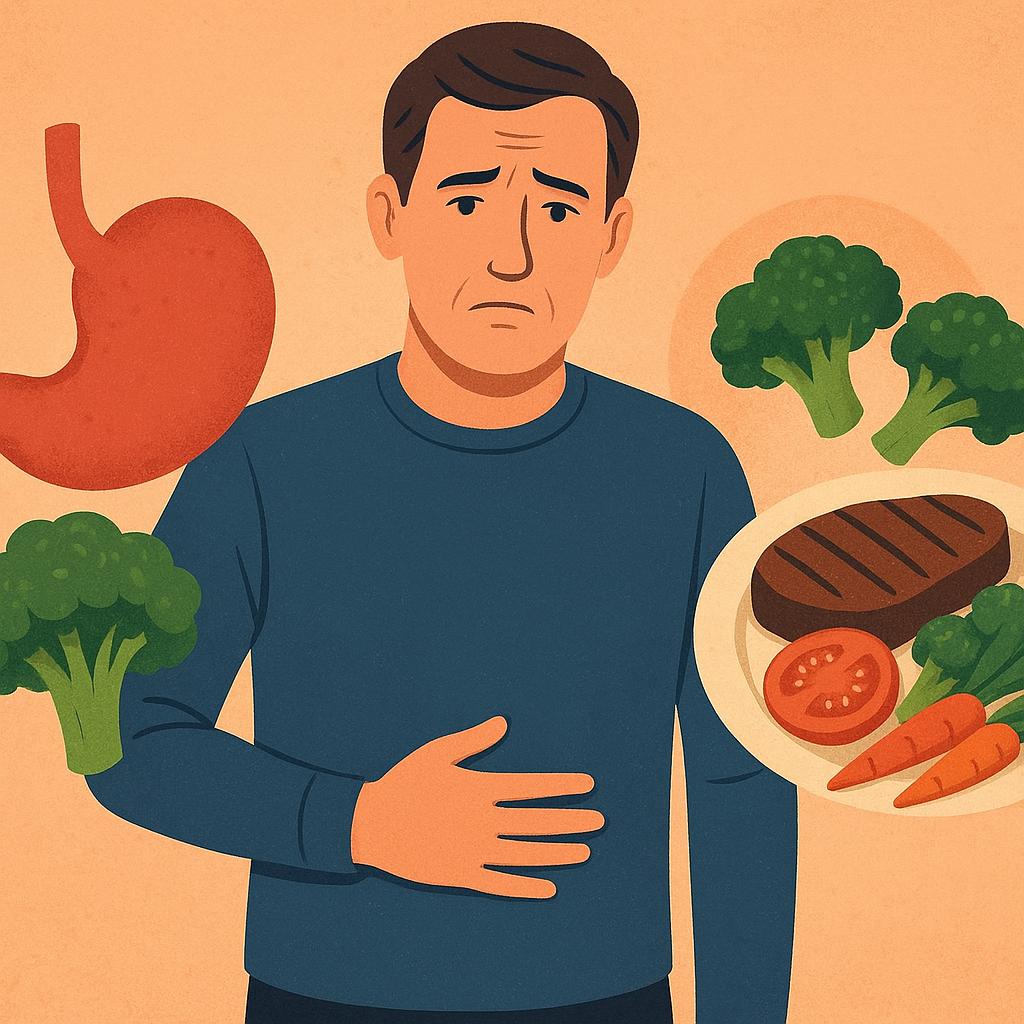
Diet plays a crucial role in overall health, and emerging evidence suggests it may influence prostate health. The types of foods consumed can potentially impact PSA levels, thereby affecting screening outcomes and health decisions. Two popular dietary approaches, plant-based and paleo, are often discussed regarding their health benefits and effects on conditions like prostate cancer.
Exploring Plant-Based Diets
A plant-based diet focuses primarily on foods derived from plants, including fruits, vegetables, nuts, seeds, oils, whole grains, legumes, and beans. This type of diet is rich in fiber, vitamins, and phytonutrients and is low in saturated fats and processed foods. It’s associated with a reduced risk of many chronic diseases, including heart disease and certain cancers.
Some research suggests that plant-based diets may contribute to lower PSA levels and a decreased risk of prostate cancer. High intake of plant-based foods is believed to provide protective antioxidants and anti-inflammatory properties, which might help in reducing PSA levels and supporting prostate health.
Understanding Paleo Diets
The paleo diet, or Paleolithic diet, attempts to emulate the diet of early humans, focusing on whole foods such as meat, fish, vegetables, nuts, and seeds while excluding processed foods, grains, and dairy products. Proponents believe it aligns with the human genome and can promote optimal health.
While the paleo diet emphasizes high-quality, minimally processed foods, its high intake of animal protein and potential for higher saturated fat consumption have raised concerns about prostate health. Elevated intake of animal products has been associated in some studies with higher PSA levels, although findings are not entirely conclusive.
Comparing the Impact on PSA Levels
While both diets have unique characteristics, their impact on PSA levels varies. Plant-based diets, being rich in antioxidants and anti-inflammatory agents, may have a protective effect on the prostate by potentially lowering PSA levels. In contrast, the paleo diet’s higher intake of animal protein may be linked with higher PSA levels, although this relationship requires further scientific investigation.
Ultimately, the choice of a plant-based versus paleo diet may depend on individual health goals, genetic predispositions, and preferences. Consulting with healthcare professionals can offer personalized guidance based on personal health needs and concerns.
Maintaining Prostate Health: Other Considerations
Apart from diet, other factors can influence prostate health and PSA levels, including genetics, age, lifestyle, and overall health. Regular exercise, maintaining a healthy weight, and avoiding smoking and excessive alcohol consumption are crucial for prostate health. Regular screenings and consultations with a healthcare provider remain essential for monitoring PSA levels and prostate health.
Conclusion
Both plant-based and paleo diets offer benefits and potential considerations for prostate health. While plant-based diets may contribute to lower PSA levels, the paleo diet’s effects are mixed and require further study. Prostate health is multifactorial, and comprehensive lifestyle approaches, including dietary choices, are beneficial for managing PSA levels and overall well-being.
References
National Institutes of Health. Prostate Health.
American Urological Association. PSA Testing and Prostate Health.
Mayo Clinic. Prostate Cancer Prevention: Ways to reduce your risk.
National Institutes of Health. Vegetarian Diet: Health Benefits and Risks.
