### Understanding Erectile Dysfunction
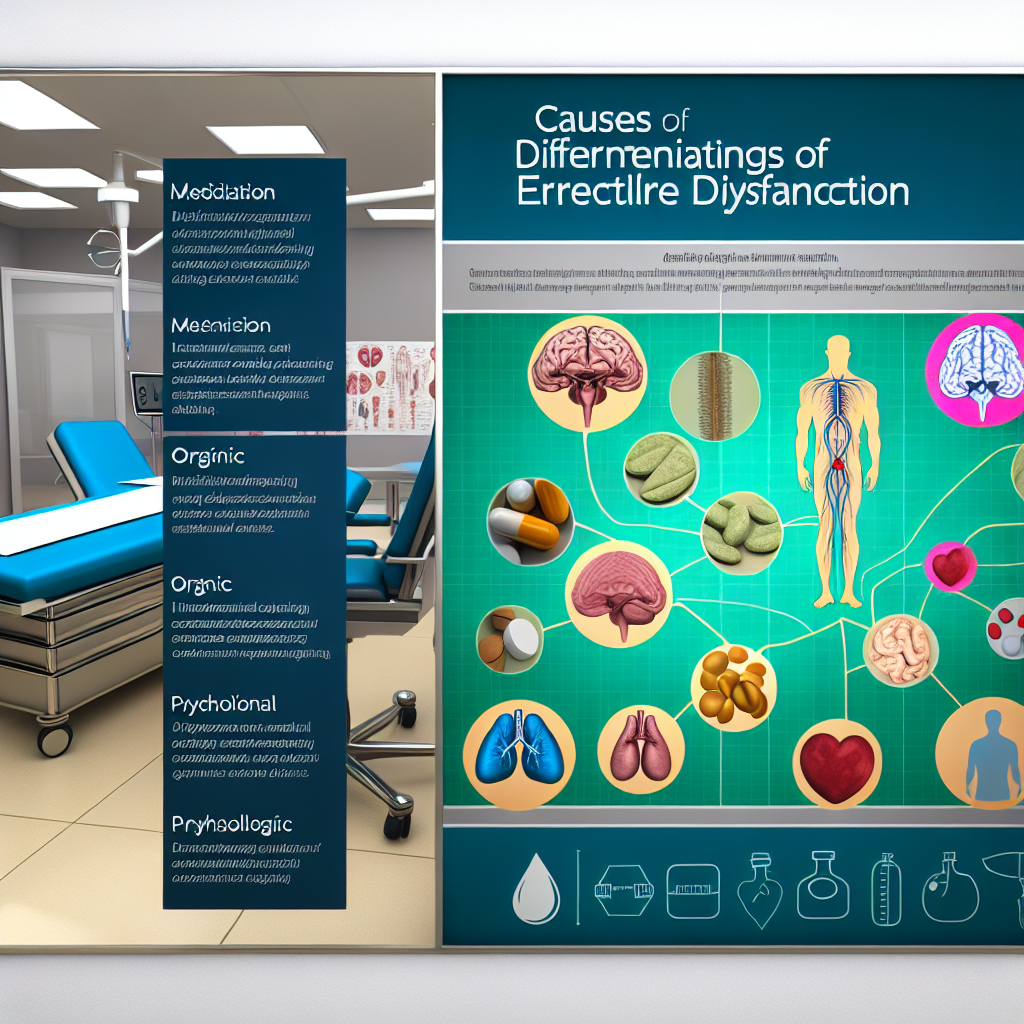
Erectile Dysfunction (ED) affects around 30 million men in the United States, with its prevalence significantly increasing among men aged 40 and older, according to recent statistics from the Cleveland Clinic. Defined as the inability to achieve or maintain an erection sufficient for satisfactory sexual performance, ED can impact men at any age. Dr. James Peterson, a noted urologist, emphasizes, “Addressing this pervasive issue early on can greatly improve patient outcomes.” ED is generally classified into three primary categories: medication-induced, organic, and psychological. Each category requires a tailored approach for accurate diagnosis and effective treatment.
### The Role of Medications in Erectile Dysfunction
Several medications can contribute to ED as a side effect. Common culprits include antihypertensives, antidepressants, and antipsychotics. For example, some antihypertensives may reduce blood flow to the penis, while antidepressants can alter neurotransmitter levels crucial for sexual arousal. The American Urological Association estimates that roughly 25% of ED cases are linked to medication side effects.
### Identifying Medication-Induced Erectile Dysfunction
To evaluate medication-induced ED, healthcare providers conduct a thorough review of the patient’s medical history. This process includes identifying the onset of ED symptoms relative to the start or adjustment of a specific medication. For instance, a patient named John experienced difficulties maintaining an erection shortly after beginning a new antihypertensive medication. Temporarily discontinuing the medication under medical supervision can determine if it is the cause. If erectile function improves after altering or stopping the medication, this suggests a medication-induced problem. It’s important to note that medications should never be discontinued abruptly without healthcare supervision due to potential health risks.
### Differentiating Between Organic and Psychological ED
Distinguishing between organic and psychological causes of ED requires a multifaceted approach. Organic causes often relate to the vascular, neurological, or hormonal systems, while psychological ED is typically driven by stress, anxiety, or depression. Dr. Susan White, a clinical psychologist specializing in sexual health, advises, “A thorough examination is imperative because missed clues can lead to ineffective treatment.”
#### Physical Examination and Tests
Clinicians use physical examinations and diagnostic tests, such as blood tests for hormone assessments and nocturnal penile tumescence testing, to identify potential physical causes. Conditions like diabetes or cardiovascular disease can indicate an organic ED origin.
#### Psychological Evaluation
When psychological factors seem predominant, mental health evaluation through questionnaires or counseling sessions is advisable. Stress and anxiety frequently play significant roles, making it crucial to address mental well-being alongside physical health.
### Integrating Patient History and Lifestyle Factors
Understanding a patient’s lifestyle is essential in differentiating ED causes. Factors like smoking, alcohol consumption, obesity, and activity levels can significantly influence erectile function. Research shows that men who smoke are more likely to experience ED. Additionally, a comprehensive assessment of mental health history provides context that could indicate psychological contributors.
### Addressing Multifactorial Causes
ED can often result from a combination of overlapping issues. For example, medication side effects combined with stress-related performance anxiety may both require addressing. A holistic perspective enables clinicians to develop comprehensive treatment plans.
### Treatment Options Based on Diagnosis
Once the root cause of ED is identified, physicians can devise an effective treatment strategy.
#### Medication Adjustments
For suspected medication-induced ED, exploring alternatives with fewer side effects might be beneficial, always under a healthcare professional’s guidance.
#### Addressing Organic Causes
Treatment options include medications like phosphodiesterase inhibitors (e.g., Viagra) paired with lifestyle modifications such as dietary changes and exercise. Managing related conditions, such as hypertension or diabetes, can also enhance erectile function.
#### Psychological Interventions
Cognitive-behavioral therapy and stress management techniques can effectively treat psychological ED. Joint therapy sessions can be particularly beneficial when relationship issues are contributing factors.
### Conclusion: A Collaborative Approach
Successfully managing ED hinges on understanding its origin—whether from medication, organic, or psychological causes. Dr. Martin Green from the National Men’s Health Institute concludes, “Collaborative care, integrating insights from various specialists, is essential.” By identifying the underlying causes, healthcare providers empower patients with precise and effective treatment plans tailored to their individual needs, significantly enhancing their quality of life.
For more information on erectile dysfunction treatments and medications, visit [eDrugstore.com](https://www.edrugstore.com).