
SEO_TITLE:
Stress and Prostate Symptoms: Understanding the Connection
SEO_DESCRIPTION:
Stressful events may exacerbate prostate symptoms without a disease present, impacting men’s health and potentially indicating stress management needs.
FOCUS_KEYPHRASE:
Stress and prostate symptoms
SLUG:
stressful-events-aggravate-prostate-symptoms
SOCIAL_TITLE:
The Impact of Stress on Prostate Symptoms
SOCIAL_DESCRIPTION:
Discover how stressful events can worsen prostate symptoms even without an underlying condition. Learn about the connection and methods to manage stress.
WORDPRESS_TITLE:
Understanding How Stressful Events Aggravate Prostate Symptoms
ARTICLE_HTML:
The Link Between Stressful Events and Prostate Symptoms
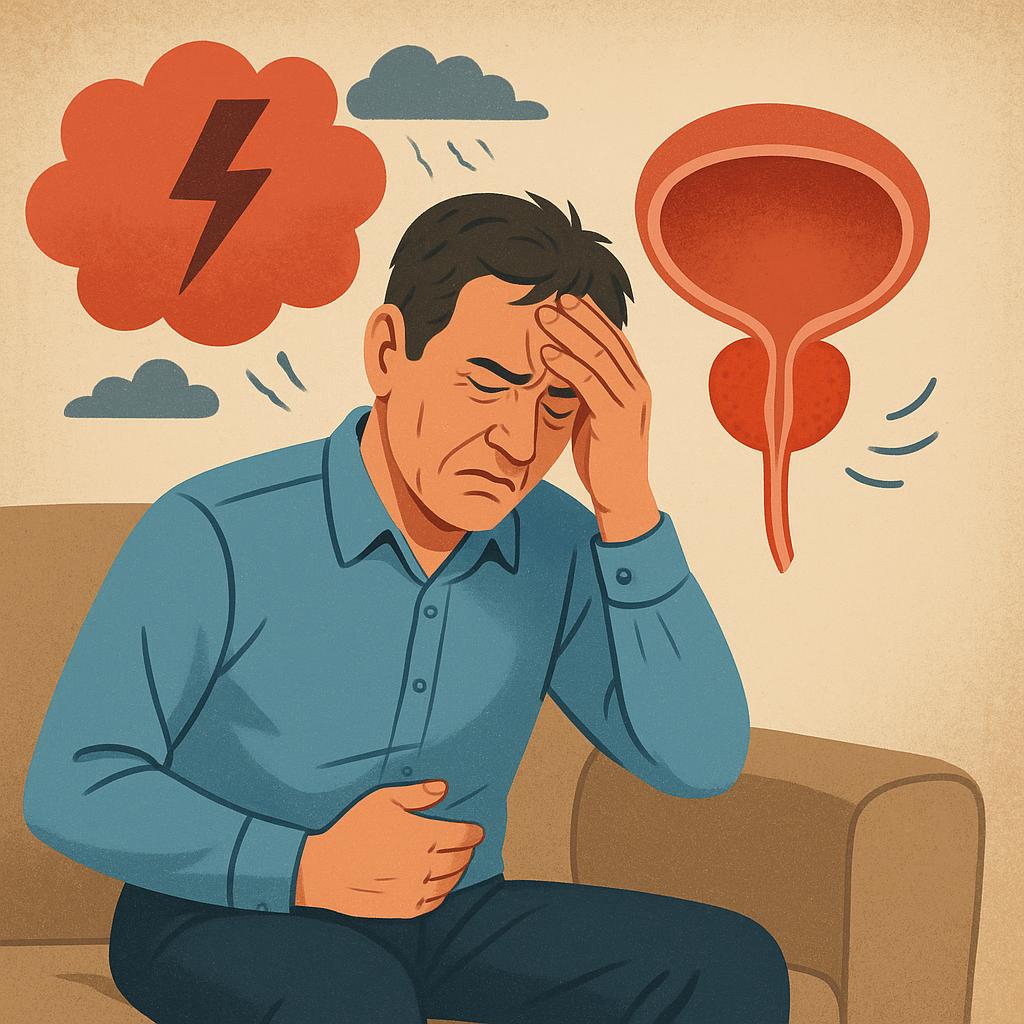
Stressful events may aggravate prostate symptoms in men, even in the absence of an underlying medical condition. This phenomenon is often related to the body’s response to stress, which can affect various bodily functions, including those of the prostate gland. Understanding this connection is crucial for managing prostate health and overall well-being.
Understanding Prostate Symptoms
The prostate gland plays a vital role in male reproductive health. Symptoms associated with prostate issues include frequent urination, urgency, and discomfort, which can significantly affect quality of life. While these symptoms are commonly linked with underlying conditions such as benign prostatic hyperplasia (BPH) or prostatitis, they can also be influenced by non-medical factors like stress.
How Stress Influences Prostate Health
When experiencing stress, the body releases hormones such as cortisol and adrenaline. These hormones can instigate changes in bodily functions, sometimes leading to inflammation. In the case of the prostate, stress may exacerbate symptoms by increasing tension in the pelvic floor muscles or affecting bladder function, leading to increased urinary symptoms.
Psychological Stress and Urinary Symptoms
Men under psychological stress may notice a worsening of urinary symptoms. This is because stress can intensify anxiety levels, leading to heightened awareness of minor symptoms, or potentially causing dysfunction in the autonomic nervous system, which regulates bladder control.
Managing Stress to Alleviate Symptoms
Managing stress is essential for improving prostate symptoms that are not linked to any medical condition. Techniques such as regular physical activity, mindfulness, meditation, and adequate sleep can be beneficial. Counseling or cognitive behavioral therapy may also help in addressing underlying stressors.
When to Seek Professional Help
If stress-related prostate symptoms persist, it is important to consult a healthcare provider. They can help rule out underlying medical conditions and suggest suitable stress management strategies. Telemedicine services can provide convenient access to professional advice, making it easier to integrate health consultations into busy schedules.
Conclusion
While stressful events may not directly cause prostate disease, they can certainly aggravate prostate symptoms. Understanding the impact of stress on the body, practicing stress management techniques, and seeking professional guidance can help mitigate these effects and improve overall health.
References
American Urological Association. Erectile Dysfunction.
Mayo Clinic. Prostatitis.
National Institute of Diabetes and Digestive and Kidney Diseases. Prostate Problems.
Cleveland Clinic. Stress Management.
Urology Care Foundation. Understanding the Prostate.