
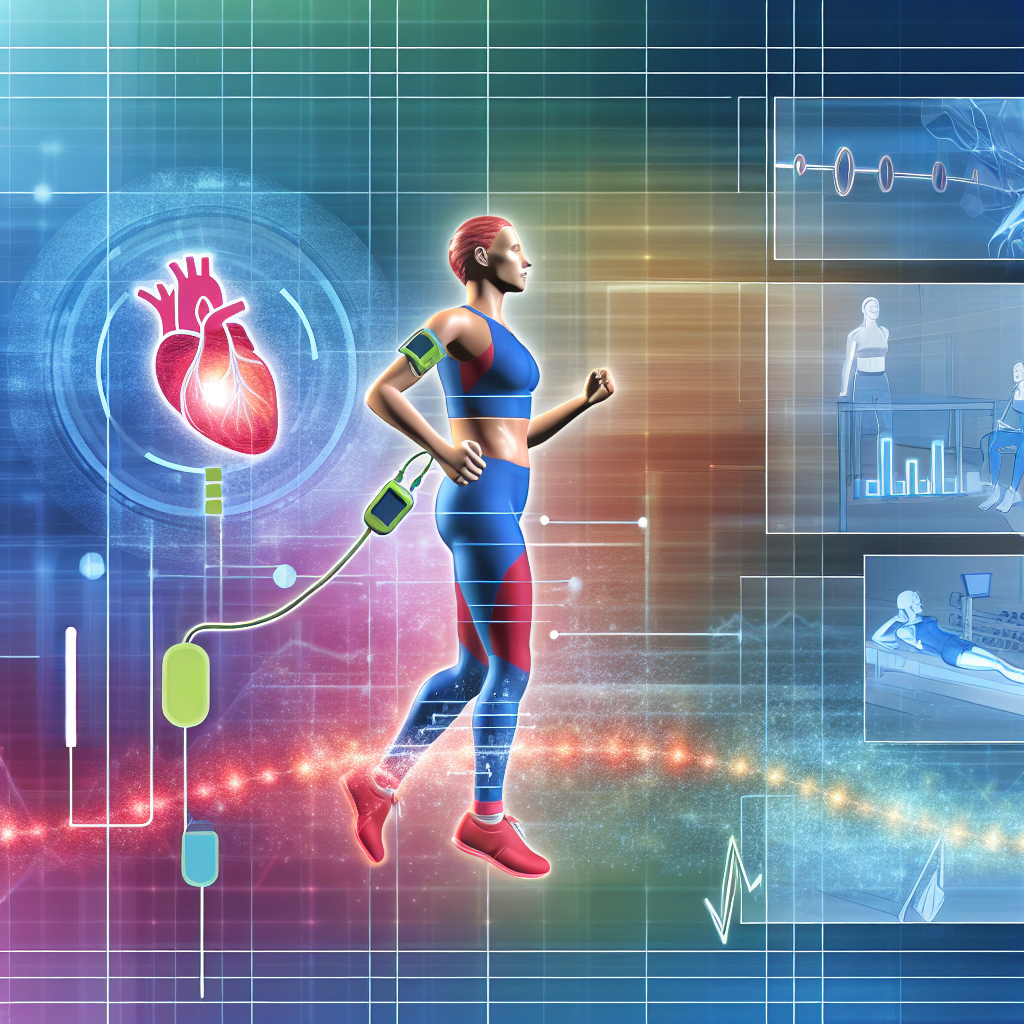
Harnessing Technology in Physical Education: The Rise of Biofeedback
In today’s fitness-focused world, physical education (PE) training has evolved beyond basic sports and exercises. With the rapid growth of wearable technology and data-driven workouts, using biofeedback devices in PE training is becoming a powerful method to enhance performance and reduce injuries. These tools provide real-time physiological data that help students, athletes, and educators tailor workouts based on individual needs.
According to a recent report by Research and Markets, the global wearable fitness tracker market is projected to reach $91.98 billion by 2027. This reflects how more people and institutions are integrating smart technology into their fitness programs.
Understanding Biofeedback: What It Means and How It Works
Biofeedback is a method that teaches users to become more aware of their body’s physiological signals. This can include heart rate, breathing patterns, and muscle activity. With wearable sensors, users can receive real-time visual or auditory cues, allowing them to adjust their movements or efforts during workouts.
For example, if your heart rate reaches the top of your targeted zone during a run, your smartwatch may vibrate to signal you to ease off and avoid overexertion.
Dr. Susan Reynolds, a certified sports physiologist, explains:
“Biofeedback empowers individuals by turning the invisible into the visible. Athletes can now engage with their body’s data in real-time, modifying their behavior to perform smarter, not harder.”
In physical education settings, this approach supports more mindful movement, improved performance, and reduced risk of injury for students.
Types of Biofeedback Devices for Effective PE Training
There are several types of biofeedback devices used in physical education. The choice depends on what aspect of performance or health you want to focus on.
– Heart Rate Monitors: Help students stay within safe and effective zones during cardio-focused exercises.
Example: A wrist monitor alerts when the heart rate exceeds 160 BPM during moderate-intensity training.
– EMG Muscle Activity Sensors: Track how specific muscles engage during movement.
Example: Monitoring glute activation during squats to protect the lower back.
– Respiratory Feedback Devices: Aid in stress management and promote aerobic endurance.
Example: A student practices deep breathing with audio cues during exam week.
– Wearable Fitness Trackers: Track daily data like steps, calories burned, heart rate variability (HRV), and sleep quality.
Example: Smartwatches sync with PE software for teacher evaluations and goal setting.
– Posture and Movement Wearables: Monitor form and alert users to alignment issues.
Example: A sensor vibrates when posture dips during a plank exercise, promoting proper alignment.
A Harvard Health publication emphasizes that maintaining proper posture during training significantly reduces the risk of injury, making these wearables essential in educational fitness programs.
Top Benefits of Incorporating Biofeedback in PE Training
Integrating biofeedback devices into school PE classes offers several measurable advantages:
1. Objective Performance Tracking
Students receive real data on key metrics such as heart rate, breathing rate, and muscle activity. According to the American College of Sports Medicine, personalized fitness programs that utilize wearable data are 33 percent more effective than generic routines.
2. Personalized Learning Experiences
Devices account for unique fitness levels. For example, different students can receive tailored warm-up suggestions based on their HRV scores.
3. Injury Prevention Through Real-Time Feedback
Wearables can flag muscle fatigue, poor form, or excessive strain before a student gets injured. For instance, getting alerted when squatting too deeply can help protect knees.
4. Goal Setting and Motivation Boost
Biofeedback devices make it easier to set and track SMART goals—for example: “Stay in Zone 2 heart rate for 20 minutes, three times per week.” Seeing progress increases confidence and encourages effort.
5. Improved Mind-Body Connection
These tools teach students to become more aware of their breathing, muscle engagement, and posture, promoting healthier exercise habits.
How to Effectively Use Biofeedback Devices in PE Classes
Want to start using wearable biofeedback devices in your classroom or workout routine? Follow these steps for effective integration.
Step 1: Select the Right Device
Choose devices that fit your specific training goals. For cardiovascular endurance, a heart rate monitor like the Polar H10 is ideal. For recovery or strength conditioning, consider EMG sensors such as the MyoWare Muscle Sensor. Ensure compatibility with classroom apps or digital dashboards.
Step 2: Set Specific and Measurable Goals
Using SMART goals is essential. For instance:
“Lower resting heart rate by 5 BPM over two months using breathing exercises three times a week.”
Step 3: Incorporate Biofeedback into Daily PE Sessions
Before class begins, have students sync their devices and understand their baseline data. During activity, they can monitor their vitals to ensure they remain in the correct training zone.
Example: A circuit group monitors their mid-workout heart rate to stay within the endurance range of 60 to 70 percent max heart rate.
Step 4: Monitor Progress Over Time
Encourage ongoing assessment using app analytics or spreadsheets. Look for consistent improvements such as faster recovery rates, lower heart rate at the same intensity, or better muscle activation patterns.
Step 5: Prioritize Recovery and Well-Being
Recovery plays a vital role in training. Biofeedback tools like HRV monitors help students determine when they’re ready to perform again. Pairing these tools with guided relaxation apps can improve both performance and mental health.
For more strategies on recovery and wellness, explore additional resources at edrugstore.com, which offers information on managing stress and enhancing physical performance.
Tips for Successful Biofeedback Implementation
– Start small by focusing on one metric, such as heart rate.
– Build consistency by using the device in each PE session.
– Teach students to interpret their own data effectively.
– Boost engagement through gamified learning using apps like Strava or MyZone.
– Collaborate with experts such as certified PE instructors or coaches for the best results.
Biofeedback Works for All Fitness Levels and Ages
One of the standout advantages of biofeedback is its adaptability for different ages and abilities. Whether it’s elementary students starting physical literacy, teens recovering from injuries, or adults in a wellness program, wearable data makes fitness inclusive.
Example: A 10th grader returning from an ankle injury can use HR and EMG sensors to monitor safe re-entry into school sports.
Final Thoughts: Elevate PE Training With Smart Fitness Tools
Smart fitness devices are transforming traditional physical education into a dynamic and individualized experience. By using biofeedback trackers for student improvement, educators can create safer, more effective, and more engaging exercise environments.
As Dr. Reynolds summarizes:
“Biofeedback closes the gap between intention and performance. It doesn’t just show you how you’re performing—it guides you to do it better.”
Whether you are a student, educator, or fitness enthusiast, start with one wearable device aligned with your goals—and let the data guide you toward improved health and performance.
Start Your Journey Today
Ready to enhance your PE experience with smart training tools? Explore biofeedback wearables tailored to your fitness goals. Begin with one metric, stay consistent, and track your progress over time.
For additional wellness solutions that support physical and mental health, visit edrugstore.com. Discover tools that complement your training and help you perform at your best.
References
– Research and Markets. (2022). Wearable Fitness Tracker Market – Global Outlook & Forecast 2022–2027.
– Harvard Health Publishing. (2020). The Importance of Good Posture in Injury Prevention.
– American College of Sports Medicine. (2021). Personalized Fitness and Wearable Technology Survey Results.
– Molek, B., & Rupp, M. (2021). The Benefits of Heart Rate Monitoring in Physical Education Classes. Journal of Human Kinetics.