
SEO_TITLE:
Brain-Muscle Connection in Exercise
SEO_DESCRIPTION:
Explore the brain-muscle connection during exercise and its impact on men’s health, erectile dysfunction, and overall physical well-being.
FOCUS_KEYPHRASE:
brain-muscle connection
SLUG:
brain-muscle-connection-exercise
SOCIAL_TITLE:
How Your Brain Communicates with Muscles
SOCIAL_DESCRIPTION:
Discover how your brain and muscles interact during exercise and its significance for men’s health, erectile dysfunction, and physical performance.
WORDPRESS_TITLE:
How Your Brain and Muscles Communicate During Physical Exercise
ARTICLE_HTML:
Understanding the Brain-Muscle Connection
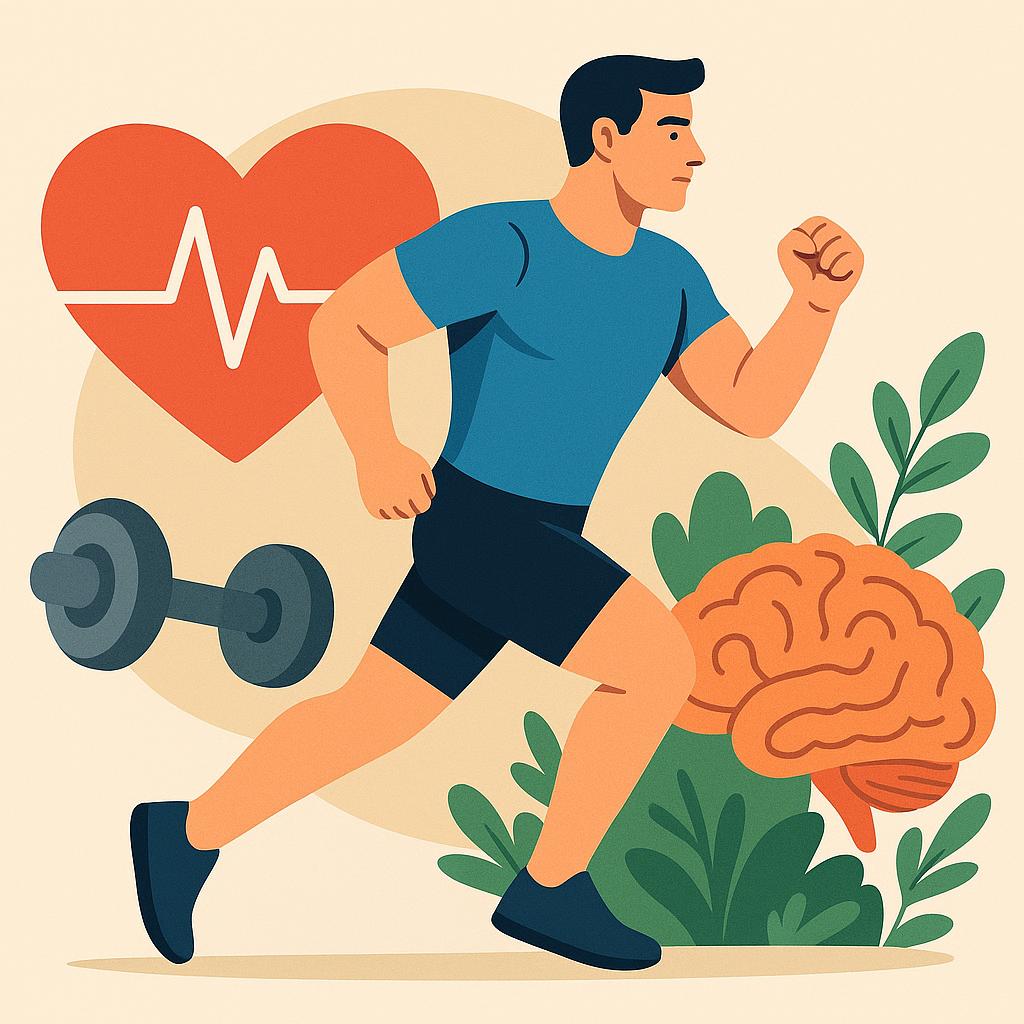
The brain-muscle connection plays a vital role during physical exercise, influencing not only physical strength and coordination but also various aspects of men’s health, including erectile dysfunction. Understanding this connection can provide insights into optimizing physical performance and addressing health concerns prevalent in urology and men’s health.
How the Brain Communicates with Muscles
During exercise, the brain initiates muscle movement through the central nervous system. Neurons in the motor cortex send signals to muscle fibers, facilitating contraction and relaxation. This intricate communication ensures that muscles behave as directed, allowing for efficient movement and coordination. Disruptions in this signaling pathway may affect motor skills and overall performance.
The Role of Neurotransmitters
Neurotransmitters, such as acetylcholine, are crucial in transmitting signals across synapses between nerve cells and muscle fibers. The release of these chemicals helps trigger muscle contraction. Inadequate neurotransmitter functioning can disrupt this process, potentially impacting exercise efficiency and overall muscle health.
Impact on Men’s Health and Erectile Dysfunction
Understanding the brain-muscle connection extends beyond physical exercise to men’s health issues like erectile dysfunction. Exercise influences hormone levels, cardiovascular health, and neurological functioning, all of which play roles in sexual health. Reduced physical performance may be linked to conditions that also affect erectile function.
Hormonal and Vascular Considerations
Physical activity affects the release of hormones such as testosterone, which is vital for sexual health and muscle function. Additionally, exercise improves blood circulation, enhancing oxygen and nutrient delivery to muscles and vital organs, including reproductive systems. Poor circulation can contribute to erectile dysfunction, making exercise a potential preventive measure.
Exercise and Neurological Health
Regular physical activity promotes neurological health by enhancing brain plasticity and cognitive function. This is significant for age-related cognitive decline as well as conditions affecting the brain-muscle signaling pathway. Improved neurological health can have a beneficial impact on both physical performance and sexual health.
Psychological Benefits
Exercise is known to reduce stress, anxiety, and depression, which are psychological factors that can impact erectile dysfunction. By promoting mental well-being, exercise may indirectly contribute to improved sexual health, highlighting the importance of regular physical activity in managing psychological contributors to erectile issues.
Conclusion: Enhancing Health Through Exercise
The complex interaction between the brain and muscles during exercise is essential for maintaining physical health and addressing men’s health concerns, such as erectile dysfunction. By fostering healthy brain-muscle communication through regular physical activity, individuals can enhance their overall well-being, improve physical performance, and potentially mitigate health conditions that affect sexual health.
References
Mayo Clinic. Erectile Dysfunction.
National Institute of Diabetes and Digestive and Kidney Diseases. Erectile Dysfunction.
Cleveland Clinic. Erectile Dysfunction.
American Urological Association. Erectile Dysfunction.
