
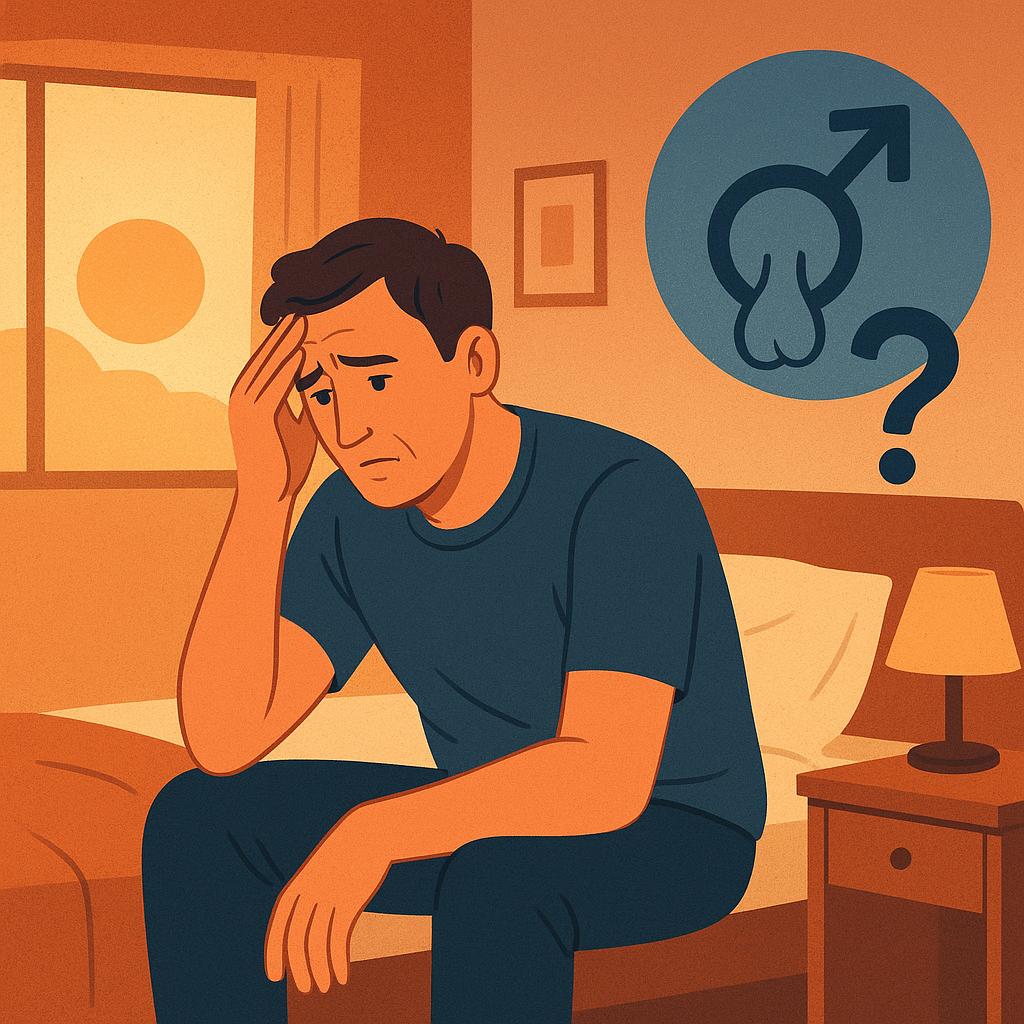
Understanding Morning Erectile Dysfunction with Normal Night Erections
What Is Morning-Only Erectile Dysfunction?
Morning-only erectile dysfunction refers to the inability to achieve or maintain an erection during early hours, despite having normal erections during sleep. This condition might indicate issues with hormonal balance, particularly involving testosterone and other hormones that play a role in sexual function.
Role of Hormones in Erectile Function
Hormones significantly impact erectile function. Testosterone, produced primarily in the testes, is crucial for normal erectile capability and overall sexual health. Low levels of testosterone, known as hypogonadism, are often linked with erectile dysfunction. Other hormones, like prolactin and thyroid hormones, can also influence erectile performance.
Testosterone and ED
Testosterone levels fluctuate throughout the day, peaking in the morning. A deficiency at this time could manifest as morning-only ED. Evaluations often include measuring testosterone levels through blood tests, especially if morning ED is an isolated symptom.
Possible Causes of Hormonal Imbalance
Several factors may contribute to hormonal imbalance, leading to morning ED with normal night erections. Conditions such as obesity, chronic stress, and sleep apnea can significantly affect hormonal levels. Additionally, lifestyle factors like poor diet, lack of exercise, and substance abuse can further exacerbate these imbalances.
Diagnosis and Evaluation
To accurately diagnose the cause of morning-only erectile dysfunction, clinicians may conduct a variety of assessments. Hormone level testing, sleep studies, and evaluating lifestyle habits are commonly used to determine underlying causes. It is essential to approach this condition with a comprehensive evaluation to rule out other potential causes.
Treatment Options
Treating morning ED often involves addressing the underlying hormonal imbalance. Hormone replacement therapy (HRT) might be considered, particularly for low testosterone levels. It is crucial for such treatments to be monitored by healthcare professionals to mitigate risks and ensure appropriateness.
Additionally, addressing lifestyle factors, such as improving diet, increasing physical activity, and managing stress, can help restore hormonal balance. In some cases, treating associated conditions like sleep apnea may also alleviate symptoms of morning ED.
Conclusion
If you experience morning-only erectile dysfunction with normal night erections, it could be indicative of hormonal issues. Seeking a thorough evaluation from a healthcare professional is essential to identify the exact cause and tailor an appropriate treatment plan. Understanding the role of hormones and their impact on erectile function is key to managing and improving this condition.
References
National Institute of Diabetes and Digestive and Kidney Diseases. Erectile Dysfunction.
Mayo Clinic. Erectile Dysfunction.
Cleveland Clinic. Erectile Dysfunction.
Urology Care Foundation. Erectile Dysfunction.
Centers for Disease Control and Prevention. About Sleep and Sleep Disorders.
