
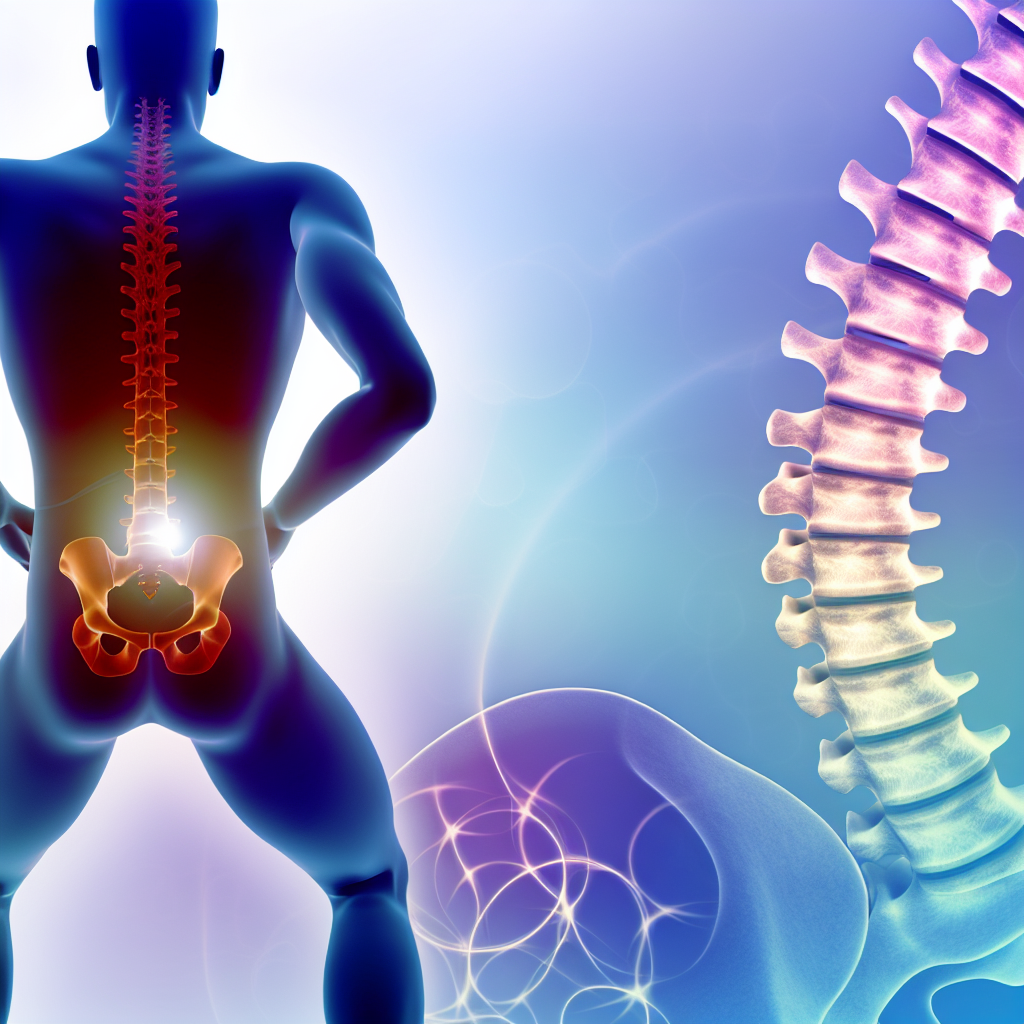
The Pelvic Tilt Epidemic: How Spine Alignment Quietly Determines Erectile Quality
Why Posture May Be the Secret to Better Sexual Health
When it comes to improving male sexual health, many men focus on the usual tactics: testosterone boosters, heart-healthy eating, or regular workouts. However, there’s a lesser-known issue silently reducing performance—poor posture, especially a condition called anterior pelvic tilt. This subtle shift in pelvic alignment can disrupt your body’s balance, limit blood flow, and compress nerves—all of which can impact your ability to get and maintain an erection.
According to the Cleveland Clinic, more than 52 percent of men experience some degree of erectile difficulty by the age of 40. Surprisingly, many of these cases may be linked to spinal alignment and posture.
What Is Pelvic Tilt and Why Does It Matter?
The pelvis is the foundation that connects your spine with your lower body. Pelvic tilt refers to the position of your pelvis in relation to your spine. In an ideal situation, your pelvis remains neutral, supporting a healthy spinal curve and balanced muscle engagement.
The most frequent postural problem today is anterior pelvic tilt. This happens when the front of the pelvis rotates downward and the back side lifts up, exaggerating the curve in your lower back.
Dr. Aaron Horschig, physical therapist and author of Rebuilding Milo, explains, “We’ve seen a correlation between anterior pelvic tilt and chronic musculoskeletal imbalances. What surprises most people is how these postural shifts alter organ function, including blood flow and nerve integrity.”
Since the pelvis is home to critical muscles, nerves, and blood vessels that influence sexual performance, misalignment can cause problems that go far beyond poor posture.
How Pelvic Tilt Impacts Erections
Erections rely on three main components: healthy blood flow, proper nerve signaling, and strong muscular support. When your posture is off, each of these areas can be negatively affected.
Lack of Blood Flow
Anterior pelvic tilt tightens the hip flexors and psoas muscles, which can pinch major arteries such as the iliac artery. This restriction may reduce the blood supply needed for firm erections.
Think of it like a garden hose with a kink—less water gets through.
Weakened Pelvic Floor Muscles
Your pelvic floor muscles play a key role in erection strength. Muscles like the bulbocavernosus and ischiocavernosus help trap blood in the penis. When the pelvis is misaligned, these muscles weaken and lose their ability to function effectively.
Nerve Compression
Erectile function is closely tied to nerve health. An anteriorly tilted pelvis increases pressure on the lower spine, which can compress nerves such as the pudendal nerve. This nerve is essential for sensation, arousal, and pelvic muscle control.
According to a study published in the Journal of Sexual Medicine, damage or pressure to the pudendal nerve can lead to erectile dysfunction.
Why Anterior Pelvic Tilt Is So Common
This postural epidemic isn’t caused by genetics. Instead, it’s a result of modern habits and behavioral patterns that place strain on your musculoskeletal system.
Common causes include:
– Sitting for extended periods at desks, in cars, or on sofas
– Inactive glute muscles and a weak core
– Imbalanced workouts (e.g., overtraining the front of the legs while neglecting the back)
– Lack of regular stretching or mobility routines
Katy Bowman, movement specialist and author, states, “Sedentary culture has taken away our ability to move well. Posture tells a bigger story about your internal health than people realize.”
How to Tell If You Have Anterior Pelvic Tilt
Wondering if your pelvic alignment is off? These symptoms may be signs that your pelvis is tilted forward:
– Ongoing lower back stiffness or discomfort
– A protruding stomach even when body fat is low
– Tight hip flexors and weak glute muscles
– Trouble engaging or feeling your deep abdominal muscles
– A visible tilt in your side profile
– Noticeable decline in erection strength or staying power
If any of these signs apply to you, it may be time to focus on correcting your posture for improved sexual performance.
Five Steps to Fix Pelvic Tilt and Improve Performance
The good news is that anterior pelvic tilt is reversible. With targeted training and daily adjustments, you can restore proper alignment and boost your performance from the inside out.
Step 1: Stretch Tight Muscles
Relieve tightness in problem areas that contribute to poor posture:
– Hip flexor lunges
– Couch stretch (focus on quads)
– Cat-cow movement for spinal mobility
– Extended child’s pose for back release
Hold each stretch for at least 30 seconds per side and perform them daily for lasting change.
Step 2: Strengthen Your Weak Spots
Reinforce your posterior chain muscles and core with targeted exercises:
– Glute bridges to activate the buttocks
– Dead bugs for core stability
– Bird-dogs for spinal control
– Forearm planks to build endurance
– Romanian deadlifts for hamstring strength
These build a solid base and support long-term sexual function.
Step 3: Add Daily Mobility Work
Incorporate movement that keeps your spine and pelvis supple:
– Yoga practices targeting flexibility and balance
– Pilates for core activation and alignment
– Foam rolling and dynamic stretches to release tension
These strategies restore movement flow and prevent compression in vital areas.
Step 4: Strengthen Your Pelvic Floor Muscles
Your pelvic muscles are just like any other—they benefit from regular training:
– Kegels involve short, firm contractions that strengthen pelvic floor control
– Perineal breathing focuses deep inhales into the lower abdomen while engaging pelvic muscles
These exercises help with firmness and improve ejaculation control.
Step 5: Make Daily Environmental Changes
Posture isn’t just about exercise—it’s also about how you sit, sleep, and move throughout the day:
– Adjust your chair and monitor to support upright sitting
– Use lumbar support during car rides and work sessions
– Sleep on your side with bent knees to ease spinal pressure
– Walk and stand mindfully, with attention to posture
Even small changes can create big results over time.
The Connection Between Posture and Sexual Vitality
While it may seem minor, pelvic tilt can affect your entire quality of life, including your intimate relationships. Poor posture contributes to a range of internal problems, including restricted blood flow, dysfunctional nerves, and weakened pelvic floor muscles.
The takeaway? Better posture may be the missing link in your peak performance puzzle.
By taking control of your alignment, you not only reduce body pain but also revitalize your sexual energy, confidence, and overall vitality.
Want a More Comprehensive Approach to ED?
For medical treatments, lifestyle strategies, and sexual wellness tools, visit edrugstore.com where you can explore a range of solutions designed to support full-body male performance.
References
1. Feldman, H. A., Goldstein, I., Hatzichristou, D. G., Krane, R. J., & McKinlay, J. B. (1994). Impotence and its medical and psychosocial correlates: results of the Massachusetts Male Aging Study. Journal of Urology, 151(1), 54-61.
2. Bowman, K. (2016). Move Your DNA: Restore Your Health Through Natural Movement. Propriometrics Press.
3. Horschig, A. (2021). Rebuilding Milo: A Lifter’s Guide to Fixing Common Injuries. Victory Belt Publishing.
4. Journal of Sexual Medicine (2010). “Pudendal Neuropathy and ED: Understanding the Connection.”
5. Cleveland Clinic (2023). Erectile Dysfunction: Causes and Diagnostics.
Ready to Take Action?
A posture-focused approach could be your first step toward better health. Explore supportive tools and expert-backed solutions at edrugstore.com/performance.