
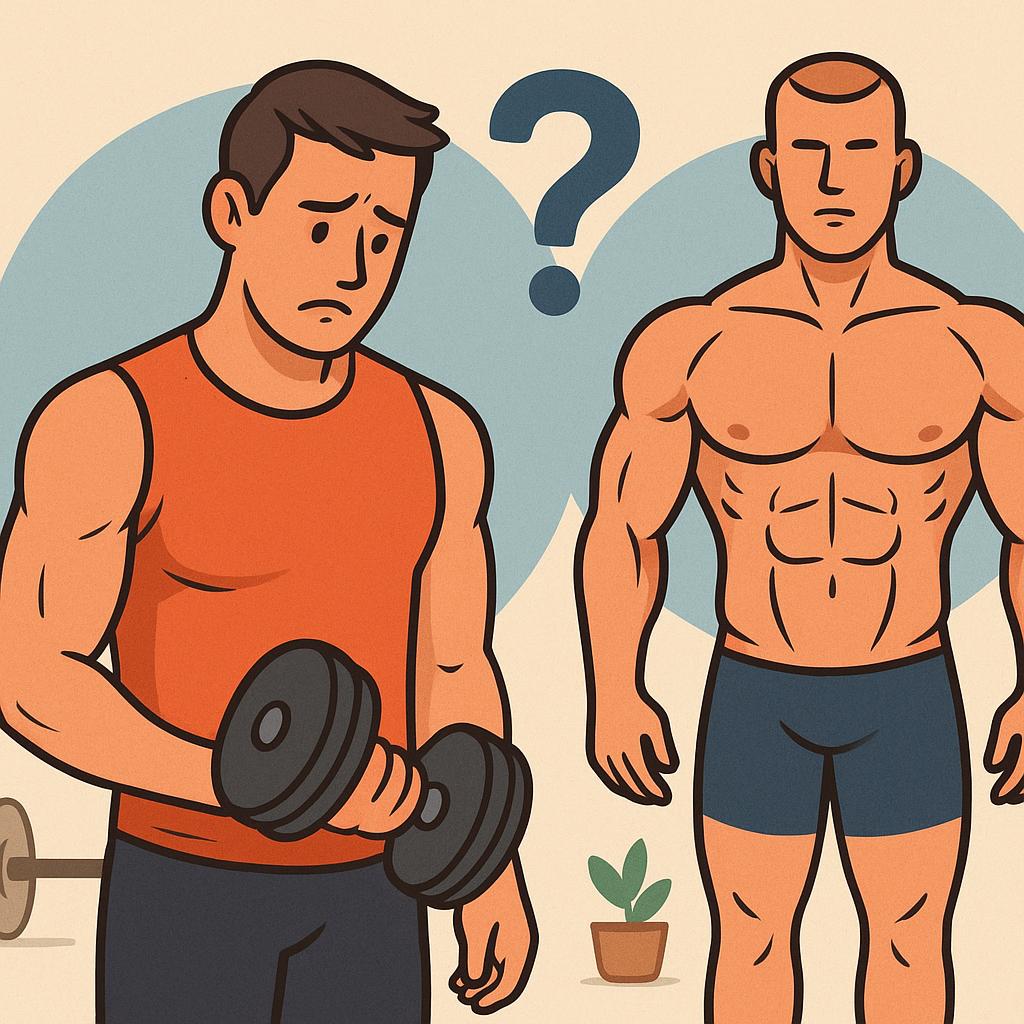
Understanding Muscle Imbalance in Strength Training
What is Muscle Imbalance?
Muscle imbalance occurs when specific muscles in the body become stronger or more developed than their opposing muscles. This condition can lead to altered body mechanics, reduced performance, and increased risk of injury. Understanding muscle balance is crucial, especially in strength training, where the goal is to enhance muscle strength and overall fitness.
Causes of Muscle Imbalance in Strength Training
Muscle imbalances often arise when individuals focus excessively on certain exercises or neglect others. A common example includes individuals concentrating solely on building larger muscles like the chest and arms, while ignoring the back, core, or leg muscles. This imbalance can lead to improper posture and muscular issues.
Inadequate training techniques and ignoring warm-up and cool-down exercises can also contribute to muscle imbalances, as can improper lifting techniques that emphasize certain muscles over others.
Impact on Men’s Health and Erectile Dysfunction
While muscle imbalances primarily affect physical performance, they may also exacerbate conditions related to men’s health. In some cases, muscle imbalances may contribute to erectile dysfunction (ED) by altering pelvic alignment and affecting nerve and vascular functions in the pelvic region. It’s crucial to recognize that ED can have multifactorial origins including psychological, hormonal, vascular, and neurological components.
Addressing muscle imbalances may therefore play a role in improving overall wellness and potentially alleviating some symptoms associated with erectile dysfunction.
Diagnosing and Treating Muscle Imbalances
Healthcare professionals, including physical therapists and trainers, can diagnose muscle imbalances through physical examinations and assessments. They evaluate posture, movement patterns, and flexibility to identify any disparities between muscle groups.
Treatment often involves a tailored exercise regimen aimed at strengthening weaker muscles and stretching overly tight ones. Training plans are also adjusted to incorporate a balanced approach, focusing equally on all major muscle groups. Consistency and proper form during exercises are essential to correcting muscle imbalances and restoring optimal body mechanics.
Prevention Strategies
Preventing muscle imbalance requires a well-rounded fitness program that includes exercises targeting all major muscle groups. Ensuring that training routines are varied and engaging across different muscle groups can significantly reduce the prevalence of muscle imbalance.
Regularly consulting with fitness professionals and revisiting exercise plans can help maintain muscle balance. Additionally, understanding the right techniques and equipment usage plays an essential part in preventing imbalances.
Conclusion
Muscle imbalances are a common issue in strength training but can have broader implications on men’s health, potentially impacting conditions like erectile dysfunction. Through proper diagnosis, corrective exercises, and preventive strategies, individuals can achieve better muscle balance, enhancing their physical performance and potentially contributing to overall health improvements.
References
National Institute of Diabetes and Digestive and Kidney Diseases. Erectile Dysfunction.
Mayo Clinic. Erectile Dysfunction.
American Urological Association. Erectile Dysfunction.
Cleveland Clinic. Erectile Dysfunction.
Mayo Clinic. Strength Training: Get Stronger, Leaner, Healthier.
National Library of Medicine. Impact of Muscle Imbalance on Physical Performance.