
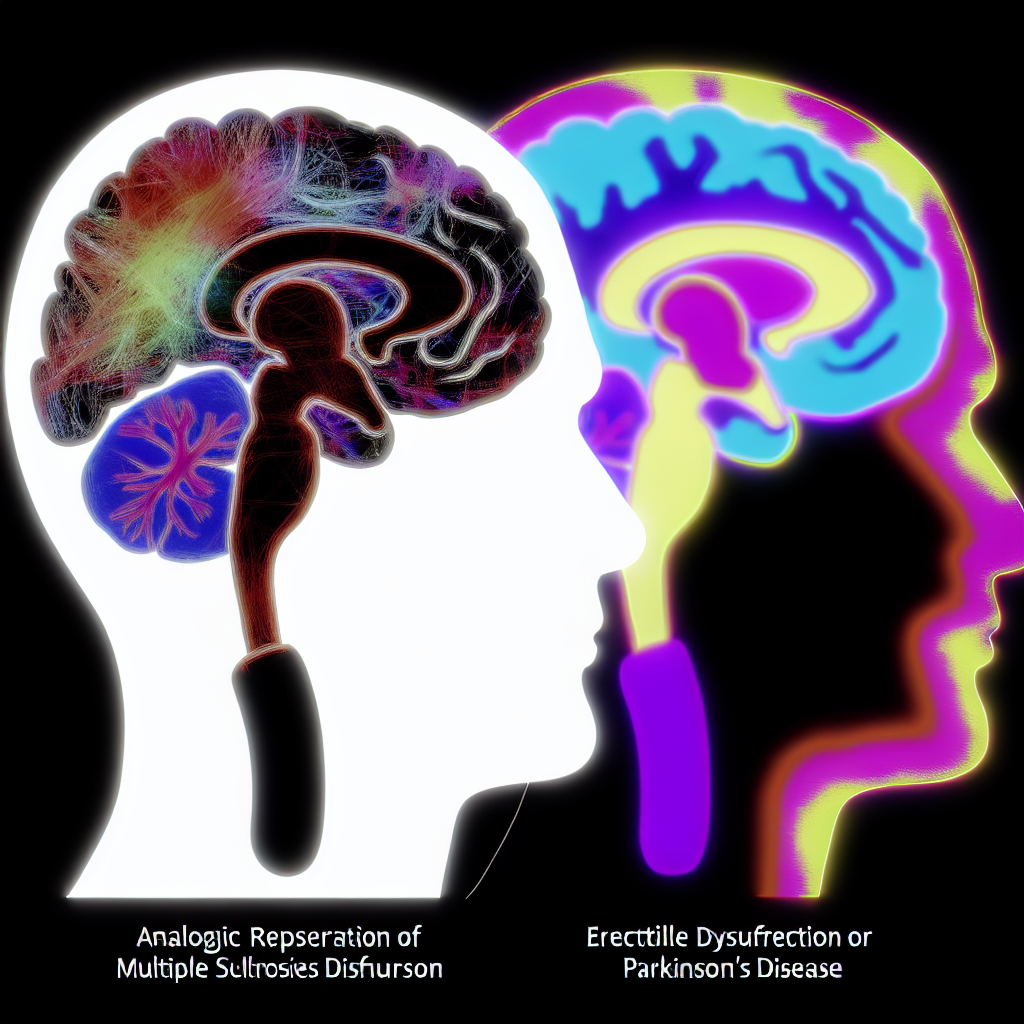
### Understanding Erectile Dysfunction in Neurological Disorders
When discussing erectile dysfunction (ED) in the context of neurological disorders such as multiple sclerosis and Parkinson’s disease, it’s important to recognize the multi-faceted causes and impacts. ED affects millions of men globally, with approximately 30 million in the United States alone experiencing symptoms that can lead to stress and relationship issues. While psychological and physiological issues like diabetes are common culprits, neurological conditions also significantly contribute. According to Dr. Sarah Thomas, a leading neurologist, “Understanding the neurological pathways of ED is crucial for accurate diagnosis and effective treatment.”
### The Role of Nervous System Pathways in Erectile Function
Achieving an erection is a complex process that involves both the peripheral nervous system and the brain. Specifically, the parasympathetic nerves play a crucial role in increasing blood flow to the penis, which is essential for an erection. Disruptions in this network due to neurological conditions can lead to ED.
### Multiple Sclerosis: Impact on Erectile Function
Multiple sclerosis (MS), which affects nearly 1 million people in the U.S., degrades myelin sheaths, impeding nerve signal transmission. This degradation affects the sensory and motor responses necessary for erection. For example, spinal cord lesions can disrupt neural pathways essential for sexual function. Indirect factors such as depression and fatigue further contribute to these challenges. Additionally, bladder dysfunction, which is common in MS patients, complicates sexual relationships, exacerbating sexual dysfunction.
### Parkinson’s Disease: Challenges to Sexual Function
Parkinson’s disease (PD) affects nearly 1 million Americans, primarily impacting the central nervous system. Dopamine deficits in PD negatively influence mood, motivation, and sexual arousal. Dr. John Miller, an expert in PD, explains, “Dopamine’s role in brain regions like the hypothalamus is vital for sexual arousal, and its reduction in PD leads to decreased libido.” Moreover, the effects on the autonomic nervous system can further complicate erectile processes.
### Distinguishing Neurologically-Induced Erectile Dysfunction
For clinicians, diagnosing ED in the context of neurological disorders presents unique challenges. A detailed patient history and the ability to distinguish between psychogenic and organic ED are essential. While psychological aspects are often involved, neurological disorders necessitate a focus on organic causes. Advanced imaging and electrophysiological tests can identify structural abnormalities in the brain or spinal cord, aiding in diagnosis, as referenced by sources like the Journal of Urology.
### Tailored Management for Neurological Contexts
Tailored treatment approaches are vital in managing ED within the context of neurological disorders. In MS, disease-modifying therapies can slow disease progression and potentially improve sexual function. For Parkinson’s patients, optimized dopaminergic therapy is beneficial. Medications like Sildenafil, as noted on reputable sources such as edrugstore.com, can help improve ED symptoms in both MS and PD cases. Careful medication management is crucial, and successful treatment often involves collaboration between neurologists and urologists, emphasizing individualized care plans to enhance the quality of life for affected individuals.
By understanding and addressing these unique neurological factors, clinicians can improve the quality of life for individuals with MS and PD facing ED, promoting comprehensive care.
#### References:
1. The Journal of Sexual Medicine
2. American Academy of Neurology
3. National Multiple Sclerosis Society
4. Parkinson’s Foundation
5. Dr. Sarah Thomas – Neurologist specializing in sexual health
6. Dr. John Miller – Parkinson’s Disease Expert
For more information regarding medications like Sildenafil, please visit [edrugstore.com](https://www.edrugstore.com).