
### Understanding Situational Erectile Dysfunction: New Partners vs. Long-term Relationships
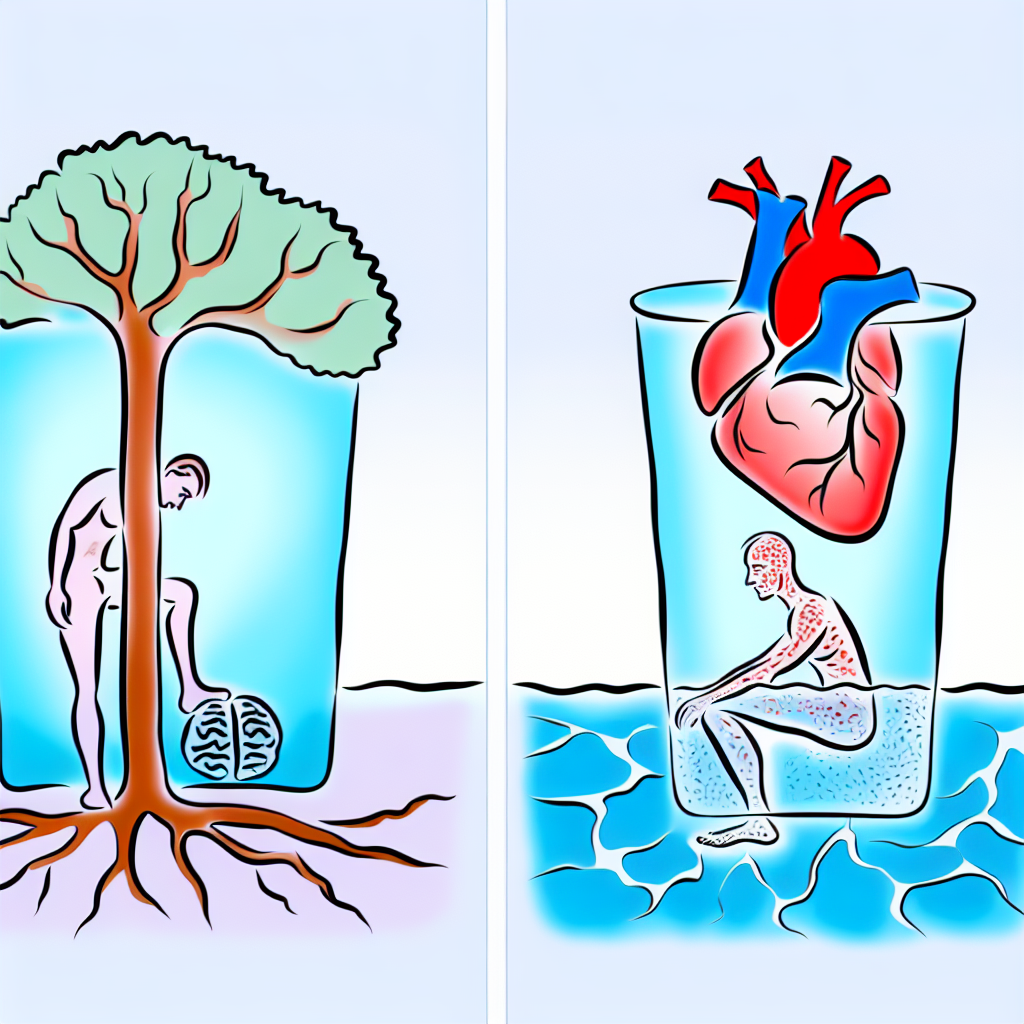
Erectile dysfunction (ED) affects an estimated 30 million men in the United States. This condition can be particularly challenging when it arises specifically in new relationships while being absent in long-term ones. This situation raises questions: Is it a psychological adaptation or indicative of a physiological issue? As Dr. Michael Feldman, a renowned urologist, explains, understanding the context in which ED occurs is essential for creating effective treatment plans. Clinicians must carefully differentiate between psychological and physiological origins to address these complexities.
### Emotional Dynamics in New Relationships
Transitioning from a long-term relationship to a new romantic encounter introduces both excitement and anxiety. While these feelings contribute to the thrill of a new relationship, they can also affect a man’s sexual performance. A long-term partner usually offers familiarity and reduced pressure due to shared intimacy. In contrast, a new partner might come with unspoken expectations and a fear of judgment, leading to situational erectile dysfunction. For example, the pressure to impress a new partner can hinder performance despite the absence of physiological issues.
### The Impact of Performance Anxiety and Stress
Performance anxiety is a well-documented psychological factor that contributes to erectile dysfunction. Clinical studies reveal that approximately 10% to 20% of ED cases are linked to psychological reasons. In new relationships, the desire to impress can increase stress, causing a cycle of worry and disappointment. Dr. Sarah Johnson, a psychologist specializing in sexual health, notes that “the mind can be both the greatest asset and most significant barrier to sexual health, depending on one’s mindset.”
### Identifying Psychological vs. Physiological Causes
To treat situational ED effectively, distinguishing psychological causes from physiological issues is essential. Psychological factors include anxiety and stress, while physiological issues might involve medical conditions like diabetes or hypertension. A thorough evaluation typically begins with a medical history and physical examination to uncover any underlying health issues.
If a patient reports anxiety attacks only in certain contexts, this might suggest a psychological root. Laboratory tests for hormonal imbalances can provide additional insights, as does the Nocturnal Penile Tumescence (NPT) Test, which assesses erectile function during sleep. A normal NPT result often indicates psychological causes.
### Treatment Approaches for Situational ED
Following a diagnosis, treatment is tailored to the specific cause. For psychological interventions, Cognitive Behavioral Therapy (CBT) can be invaluable in addressing negative thought patterns, while couples therapy might enhance communication and understanding. Physiologically, ED medications like sildenafil (Viagra), tadalafil (Cialis), or vardenafil (Levitra) can improve blood flow to the penis. Complementary lifestyle changes, such as a healthier diet and increased physical activity, further support sexual performance.
### The Importance of Open Communication and Seeking Help
Regardless of the underlying cause, open dialogue with partners and healthcare providers is crucial in addressing situational erectile dysfunction. Men should avoid self-diagnosis and seek professional help. Dr. Linda Thompson, a sex health expert, assures that “open discussions break the stigma of ED and pave the way for constructive treatment.”
### Conclusion
Situational ED, while frustrating, is both common and manageable. Effective management hinges on understanding its triggers. Through comprehensive evaluation and compassionate treatment, men can overcome these challenges and enjoy fulfilling sexual experiences. Addressing ED is about more than treating symptoms—it’s about fostering healthier sexual relationships and improving personal well-being.
### References
1. Feldman, H.A., et al. “Impotence and its medical and psychosocial correlates: results of the Massachusetts Male Aging Study.” The Journal of Urology, vol. 151, no. 1, 1994, pp. 54–61.
2. Shabsigh, R. “Erectile dysfunction.” BMJ Clinical Evidence, 2009.
3. eDrugstore.com, “Understanding ED Medications and Their Uses,” www.edrugstore.com/conditions/erectile-dysfunction.