
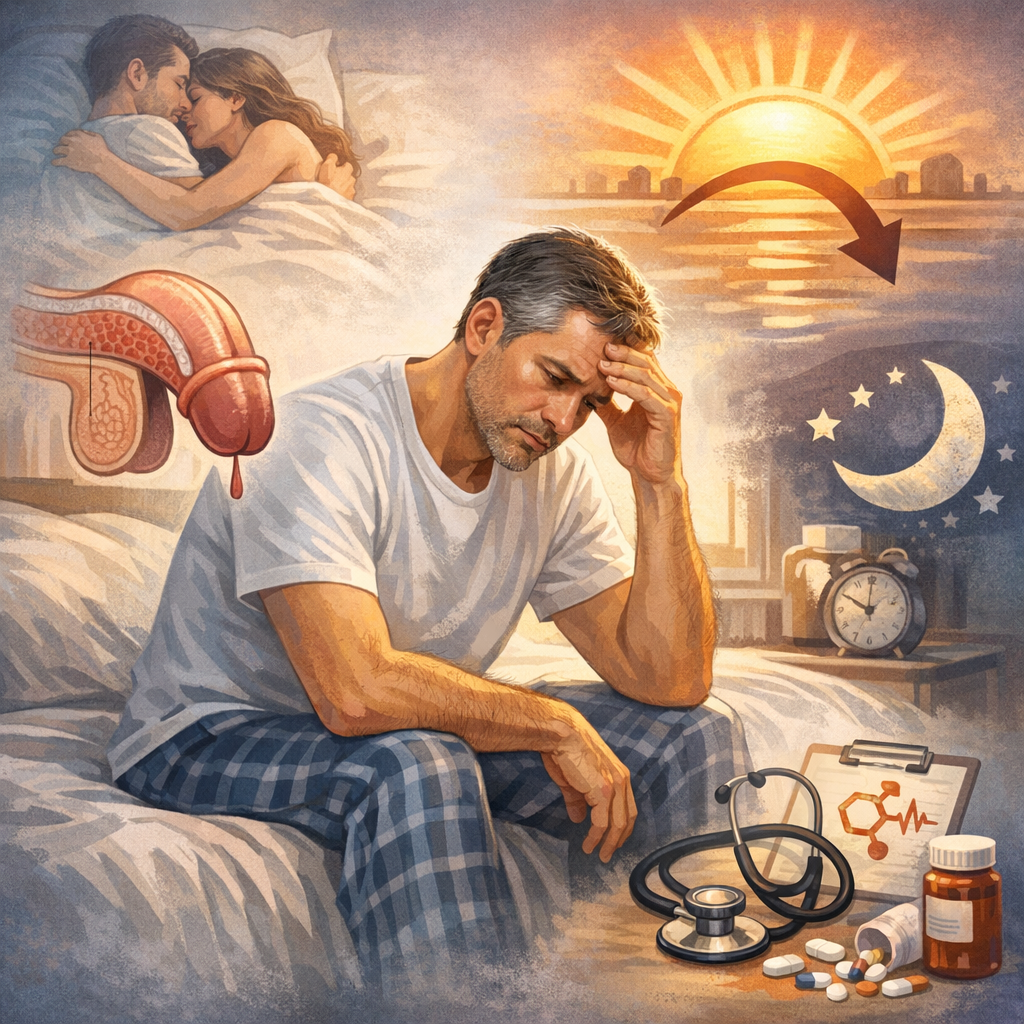
**Understanding Morning Erectile Dysfunction: Exploring Possible Causes and Solutions**
Erectile dysfunction (ED) affects millions of men worldwide. It is primarily characterized by the inability to achieve or maintain an erection suitable for sexual intercourse. While commonly associated with broader sexual dysfunction issues, some men find that ED is more pronounced or exclusive during the morning, even when sexual function remains normal at other times. This unusual occurrence raises questions about underlying causes and potential solutions for morning erectile dysfunction. In this comprehensive article, we explore these causes and discuss strategies for managing and treating this condition effectively.
### The Role of Circadian Rhythms and Hormonal Fluctuations
One possible explanation for morning erectile dysfunction involves the body’s circadian rhythms and hormonal fluctuations. Testosterone, a hormone vital for male sexual health, peaks in the morning. During this time, men often experience spontaneous erections, also known as nocturnal penile tumescence. Research indicates that testosterone levels can be 25% to 50% higher in the morning compared to evening levels.
When morning erections are absent or impaired, it may suggest a hormonal imbalance. Factors affecting this balance include age-related declines in testosterone, poor diet, lack of exercise, and health conditions such as obesity or diabetes. Regular medical assessments help identify hormonal imbalances, allowing for early interventions. Dr. Michael A. Werner, a specialist in male fertility, emphasizes, “Understanding and managing hormonal imbalances can significantly improve sexual health.”
### Sleep Disorders and Their Impact on Morning ED
Sleep disorders can be a significant contributor to morning erectile dysfunction. Quality sleep is essential for various bodily functions, including hormonal regulation. Conditions like sleep apnea, insomnia, or restless leg syndrome can interfere with sleep quality and disrupt hormonal production. According to the National Sleep Foundation, up to 70 million Americans suffer from sleep disorders, which can have far-reaching health implications.
Men experiencing morning ED should evaluate their sleep patterns. Simple lifestyle changes, such as maintaining a regular sleep schedule, reducing caffeine intake, and creating a relaxing bedtime routine, can enhance sleep quality and potentially improve morning erectile function. In severe cases, consulting a healthcare provider could lead to treatments like continuous positive airway pressure (CPAP) for sleep apnea, which may improve erectile health as well.
### Psychological Factors Affecting Morning Erectile Function
The mind plays a critical role in sexual health, and morning erectile dysfunction can sometimes reflect deeper psychological issues such as stress, anxiety, or depression. Although morning erections are usually involuntary, psychological distress can still affect them. Dr. John T. Smith notes, “Stress and anxiety can disrupt the natural cycle of erections, affecting morning vitality as much as at other times.”
Addressing psychological factors is essential for holistic ED management. Counseling, stress management techniques, and cognitive-behavioral therapy (CBT) effectively tackle psychological barriers. Seeking support from mental health professionals can be life-changing, improving not only ED but also overall well-being.
### Importance of Cardiovascular Health and Circulatory Issues
Cardiovascular health is often overlooked when discussing morning erectile dysfunction. Erections depend significantly on adequate blood flow, and circulatory issues can lead to erectile challenges. Conditions like hypertension, high cholesterol, or atherosclerosis could impair erections, including those in the morning.
Adopting a heart-healthy lifestyle is vital. Regular exercise, a diet rich in fruits, vegetables, lean proteins, and whole grains, along with weight management, reduces cardiovascular risks. For individuals diagnosed with heart-related problems, working closely with a healthcare provider to control these conditions is crucial.
### Medication Side Effects and Their Role in ED
Certain medications for other health conditions can have side effects that impact erectile function. Antidepressants, antihistamines, and some blood pressure medications might contribute to morning ED. If a medication is suspected of affecting erections, it’s crucial to discuss this with a healthcare professional rather than abruptly stopping its use. Alternative medications or dosage adjustments could be available.
### Seeking Professional Medical Evaluation and Treatment
For men experiencing persistent morning erectile dysfunction, seeking a professional medical evaluation is advised. Medical tests can uncover underlying issues, provide reassurance, and guide appropriate treatment. Depending on the cause, treatment options may involve lifestyle changes, medication, hormone therapy, or psychological counseling.
Phosphodiesterase type 5 inhibitors (such as Viagra or Cialis) may be effective for general ED, but their use should be monitored by a healthcare provider, especially if symptoms are specific to the morning. These medications improve blood flow to the penis, facilitating an erection, and are most effective when the root causes of ED are also addressed.
### Conclusion: Tackling Morning Erectile Dysfunction Holistically
Morning erectile dysfunction, though less commonly discussed, is a significant concern for many men. By understanding the numerous causes—from hormonal imbalances and sleep disorders to psychological factors and cardiovascular health—men can identify effective management strategies. Professional guidance and a holistic approach that encompasses both physical and psychological aspects can improve erectile function and overall quality of life. With the right information and support, men can tackle this challenge, working towards restoring confidence and enhancing sexual health.
**References:**
– Travison, T.G., et al. (2007). “The natural history of symptomatic androgen deficiency in men: Premonitory symptoms and observable declines in serum testosterone.” *The Journal of Clinical Endocrinology & Metabolism*.
– National Sleep Foundation statistics.