
SEO_TITLE:
Intermittent ED in Young Men: Stress Over Disease
SEO_DESCRIPTION:
Young men with intermittent erectile dysfunction often experience stress. Learn about the psychological factors affecting ED and how to address them.
FOCUS_KEYPHRASE:
intermittent ED in young men
SLUG:
intermittent-ed-young-men-stress
SOCIAL_TITLE:
Understanding Intermittent ED in Young Men
SOCIAL_DESCRIPTION:
Explore how stress, not chronic disease, often causes intermittent erectile dysfunction in young men. Learn about the psychological factors and potential solutions.
WORDPRESS_TITLE:
Intermittent Erectile Dysfunction in Young Men: The Role of Stress
ARTICLE_HTML:
Understanding Intermittent ED in Young Men
Intermittent erectile dysfunction (ED) in young men is a condition that is often distressing and can impact self-esteem and relationships. While chronic diseases can cause ED, young men with intermittent occurrences often face stress-related issues rather than serious health problems.
Stress: The Underlying Factor
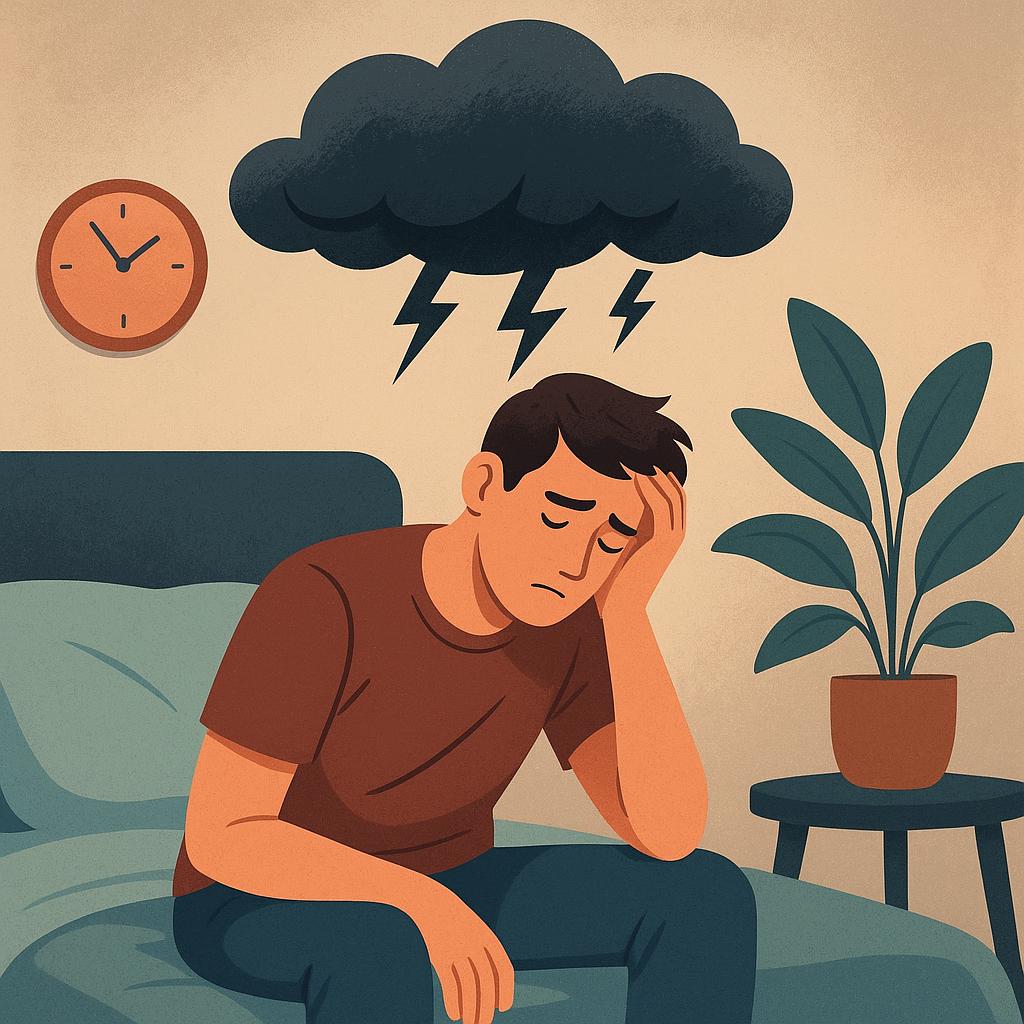
Stress is a significant factor contributing to intermittent ED in young men. The pressures of modern life, including work demands, financial concerns, and personal relationships, can accumulate, leading to anxiety. This mental stress can interfere with the normal physiological processes that enable an erection.
The link between stress and ED can be attributed to the body’s fight-or-flight response. When stressed, the body releases hormones such as adrenaline, which can hinder blood flow to the penis, a necessity for achieving an erection. This response, while protective in life-threatening situations, is counterproductive in intimate settings.
Psychological Factors and ED
Beyond stress, other psychological factors such as anxiety, depression, and low self-esteem can lead to intermittent ED. Performance anxiety, a fear of sexual inadequacy, often plays a role, especially in new or significant relationships. This anxiety can create a vicious cycle where the fear of ED makes the condition more likely to occur.
Addressing these psychological elements is crucial. Techniques such as cognitive-behavioral therapy (CBT), counseling, and mindfulness can aid young men in managing stress and anxiety, potentially reducing episodes of ED.
Diagnosis and Treatment Options
If young men experience intermittent ED, it’s essential to seek a medical evaluation. Healthcare providers often begin with a comprehensive health assessment to rule out underlying medical issues. Once stress is identified as the primary cause, the focus can shift to psychological interventions.
In some cases, medication such as phosphodiesterase inhibitors (e.g., Viagra, Cialis) may be considered to facilitate erections by increasing blood flow to the penis. These medications can be particularly effective when psychological factors are the primary concern and can offer temporary relief while addressing underlying stress or anxiety.
Role of Lifestyle Changes
Lifestyle modifications can also support better erectile function. Regular exercise, a balanced diet, adequate sleep, and moderating alcohol and tobacco use contribute to overall well-being and can improve sexual health.
Exercise, in particular, is effective in reducing stress levels and improving cardiovascular health, which in turn supports healthier erectile function. Young men are encouraged to find physical activities they enjoy, whether it’s jogging, cycling, or a recreational sport, to integrate into their daily routine.
Prevention and Future Outlook
Preventing stress-related intermittent ED involves managing daily stressors effectively. Techniques such as time management, meditation, and pursuing hobbies can help maintain a balanced lifestyle, reducing the likelihood of experiencing ED.
The future outlook for young men dealing with stress-induced intermittent ED is generally positive with appropriate intervention. By addressing psychological factors, making lifestyle changes, and seeking professional help, many can overcome ED and improve their quality of life.
References
National Institute of Diabetes and Digestive and Kidney Diseases. Erectile Dysfunction.
Mayo Clinic. Erectile Dysfunction.
Cleveland Clinic. Erectile Dysfunction.
Urology Care Foundation. Erectile Dysfunction.
Centers for Disease Control and Prevention. About Sleep and Sleep Disorders.