
SEO_TITLE:
Pesticides & Lead Harm Erection Nerves Over Time
SEO_DESCRIPTION:
Explore how exposure to pesticides and lead over time may harm erection nerves, potentially impacting erectile function. Learn about risks and prevention.
FOCUS_KEYPHRASE:
pesticides and lead harm erection nerves
SLUG:
pesticides-lead-erection-nerves
SOCIAL_TITLE:
How Pesticides & Lead Affect Erection Nerves
SOCIAL_DESCRIPTION:
Long-term exposure to pesticides and lead may damage erection nerves, affecting erectile function. Learn about the risks and preventive measures.
WORDPRESS_TITLE:
How Pesticides & Lead Can Harm Erection Nerves Over Time
ARTICLE_HTML:
Understanding the Impact of Pesticides and Lead on Erection Nerves
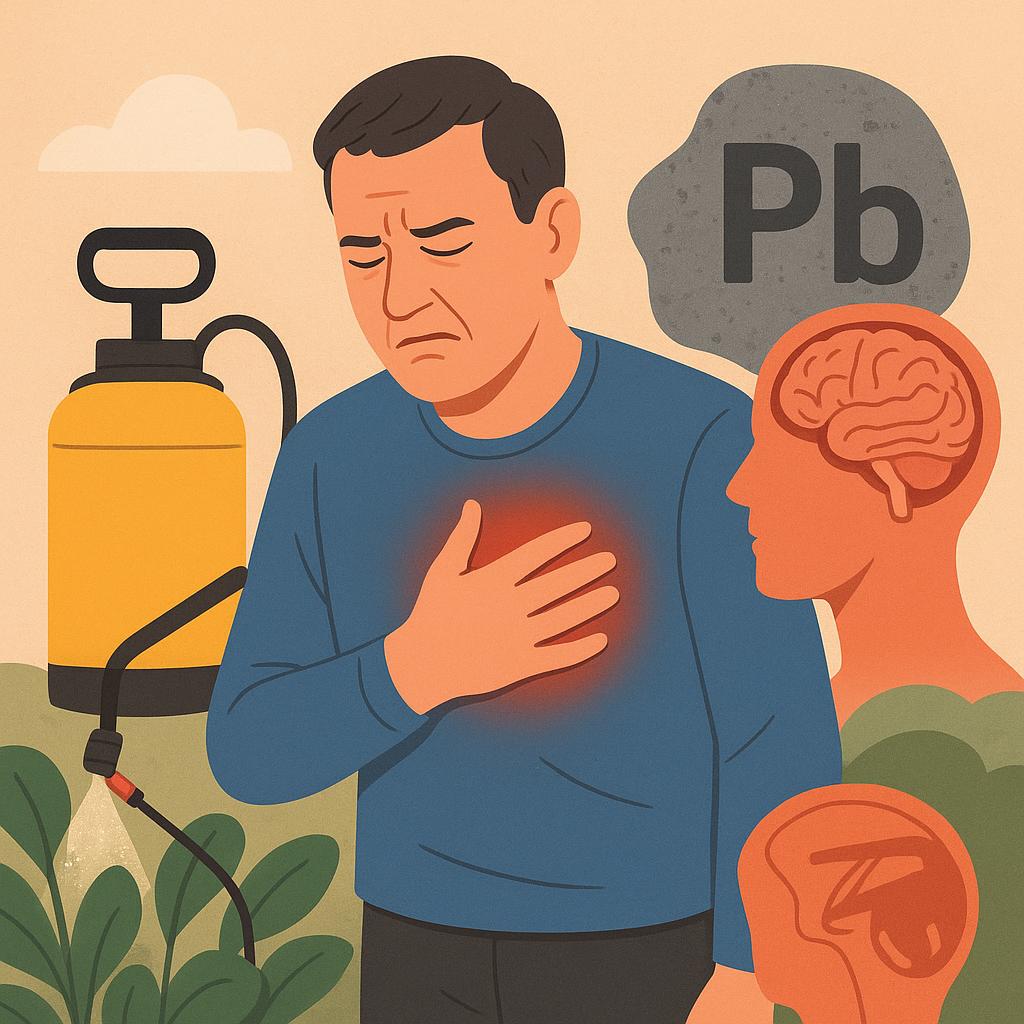
The exposure to pesticides and lead can harm erection nerves over time, potentially contributing to erectile dysfunction (ED). While various factors can influence erectile function, environmental toxins like pesticides and lead have been increasingly recognized for their potential role in nerve damage.
The Role of Erection Nerves
Erection nerves are crucial in the process of achieving and maintaining an erection. These nerves facilitate communication between the brain and blood vessels in the penis, enabling blood flow necessary for an erection. Damage to these nerves can disrupt this communication, leading to challenges in achieving erections.
How Pesticides and Lead Affect the Body
Pesticides and lead are known for their neurotoxic properties. Prolonged exposure to these substances can lead to neurological damage, including harm to the delicate nerves associated with erectile function.
Pesticides, commonly used in agriculture, can enter the body through inhalation, ingestion, or skin contact. Exposure to high levels over long periods can be particularly detrimental to neurological health, affecting various bodily functions, including sexual health.
Lead exposure, often resulting from industrial processes or contaminated water supplies, is associated with several health issues, including nerve damage. Once in the bloodstream, lead can interfere with nerve signaling, potentially affecting the nerves involved in erections.
Erectile Dysfunction and Neurological Damage
ED is commonly associated with vascular, hormonal, psychological, and neurological factors. Neurological health is vital for maintaining erectile function, and any damage to the nervous system can lead to difficulties with erections. As such, the neurotoxic effects of pesticides and lead are a growing concern in the context of ED.
Diagnosing and Addressing the Issue
Diagnosis of ED often involves evaluating the neurological health of a patient. Medical professionals may consider environmental exposure to assess potential risk factors. Understanding the role of neurotoxic substances can guide healthcare providers in recommending protective measures or interventions.
Individuals suspected of having nerve-related erectile issues should seek medical advice for appropriate testing and guidance. This may include blood tests, neurological exams, and discussions regarding potential environmental toxin exposure.
Preventive Measures and Treatment
Minimizing exposure to pesticides and lead is essential for reducing the risk of nerve damage and related health issues. This may involve using protective gear during pesticide application, choosing organic food options when possible, and ensuring safe drinking water sources.
Treatment for nerve-related ED will depend on the underlying cause and severity. Options may include medications, lifestyle changes, or other medical interventions to improve nerve health and erectile function.
Conclusion
The potential impact of pesticides and lead on erection nerves highlights the importance of awareness and prevention. Understanding the risks and taking proactive steps to limit exposure can help protect neurological health and maintain erectile function over time.
References
National Institute of Diabetes and Digestive and Kidney Diseases. Erectile Dysfunction.
Mayo Clinic. Erectile Dysfunction.
Cleveland Clinic. Erectile Dysfunction.
Centers for Disease Control and Prevention. About Sleep and Sleep Disorders.
Cleveland Clinic. Obstructive Sleep Apnea.