
SEO_TITLE:
Understanding Erectile Dysfunction Causes: Nerve vs Hormone
SEO_DESCRIPTION:
Explore how nerve damage and hormonal imbalances cause erectile dysfunction. Learn why imaging and blood tests are essential for accurate diagnosis.
FOCUS_KEYPHRASE:
Nerve damage and hormone erectile dysfunction
SLUG:
nerve-damage-hormone-erectile-dysfunction
SOCIAL_TITLE:
Erectile Dysfunction: Nerve Damage vs Hormone Causes
SOCIAL_DESCRIPTION:
Discover the differences between nerve damage and hormonal issues in causing erectile dysfunction. Learn about diagnostic imaging and blood tests for effective evaluation.
WORDPRESS_TITLE:
Nerve Damage and Hormonal Causes of Erectile Dysfunction
ARTICLE_HTML:
Introduction to Erectile Dysfunction Causes
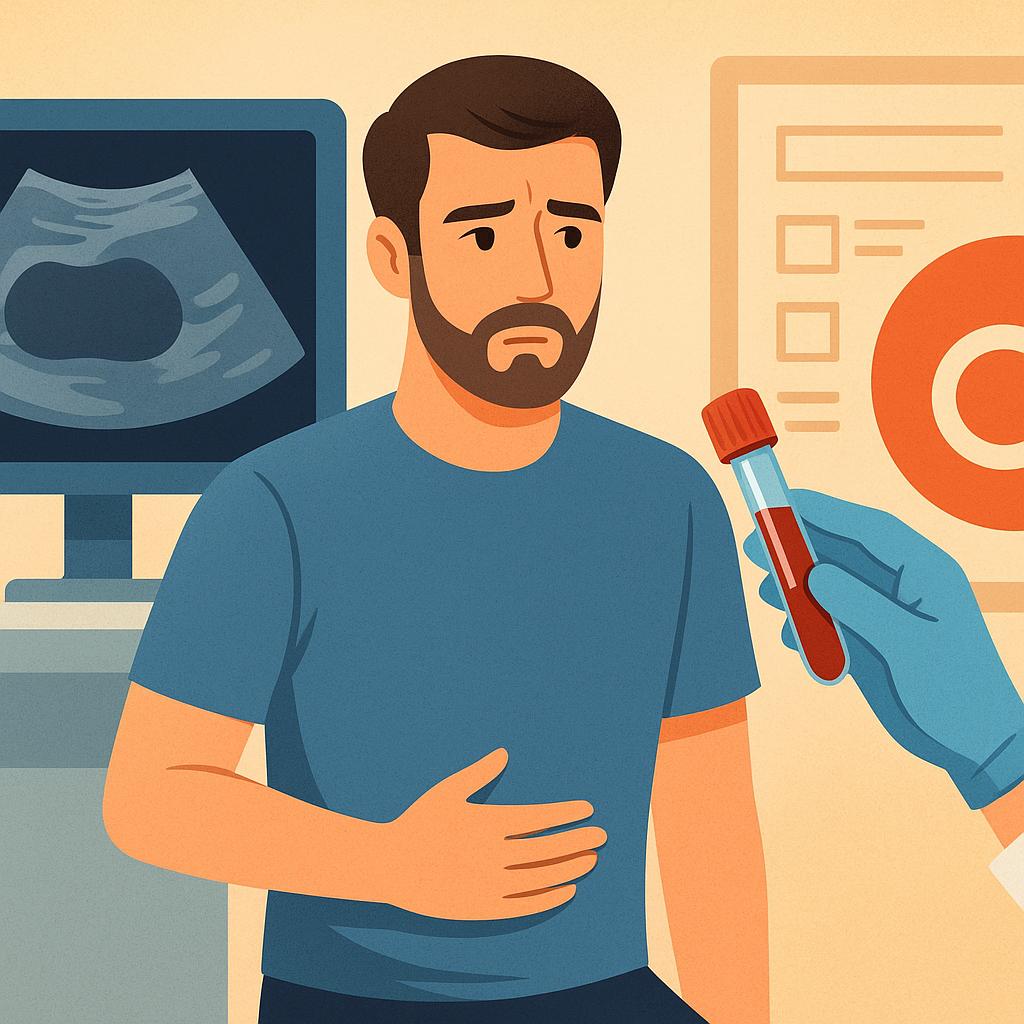
Erectile dysfunction (ED) affects millions of men worldwide and is a condition that can significantly impact quality of life. Understanding the underlying causes of ED is crucial for effective treatment. Among the various causes, nerve damage and hormonal imbalances are significant contributors, each requiring different diagnostic approaches—imaging for nerve-related issues and blood tests for hormonal problems.
Nerve Damage and Erectile Dysfunction
Nerve damage, medically referred to as neuropathy, can disrupt the signals necessary for achieving an erection. This disruption often results from conditions such as diabetes, multiple sclerosis, or trauma to the pelvic area. Identifying nerve-related erectile dysfunction typically involves imaging techniques.
Healthcare professionals may recommend imaging studies like an MRI or CT scan to evaluate the structural integrity of the nervous system. These images can reveal any compression or damage to the nerves responsible for erectile function, providing critical insight for developing a treatment plan.
Hormonal Imbalances and Erectile Dysfunction
Hormonal fluctuations can also cause erectile dysfunction. Testosterone, the primary male hormone, plays a vital role in sexual function. Low testosterone levels can lead to symptoms of ED, contributing to decreased libido and difficulty maintaining an erection.
Diagnosing hormonal-related ED usually involves blood tests. These tests measure hormone levels, including testosterone, thyroid, and prolactin, to determine if an imbalance exists. Hormonal therapy may be beneficial for patients with identified imbalances, emphasizing the importance of accurate diagnosis through bloodwork.
Differences in Diagnostic Approaches
The diagnosis of ED requires a thorough understanding of the underlying cause. For nerve damage, imaging aids in visualizing the potential structural impairments impacting erectile function. On the other hand, hormonal causes necessitate blood tests to evaluate functional levels within the body.
A combination of physical examination, patient history, and the appropriate tests ensures a comprehensive assessment of the condition. This approach allows healthcare providers to tailor interventions suited to each individual’s needs, enhancing treatment efficacy.
Treatment Options
Once the diagnosis is established, treatment for ED may vary depending on whether the cause is neurological or hormonal. For nerve damage, treatments may involve medications, lifestyle modifications, or even surgical interventions to address the underlying neurology issues.
For hormonal imbalances, hormonal replacement therapy can correct deficiencies, improving symptoms of ED. This approach requires careful monitoring by healthcare professionals to ensure safe and effective outcomes.
Conclusion
Understanding the cause of erectile dysfunction is essential for effective management. Nerve damage and hormonal imbalances are two critical categories that demand different diagnostic tests, such as imaging and bloodwork, respectively. Addressing the root cause through a tailored approach can significantly improve quality of life for those affected by ED.
References
National Institute of Diabetes and Digestive and Kidney Diseases. Erectile Dysfunction.
Mayo Clinic. Erectile Dysfunction.
Cleveland Clinic. Erectile Dysfunction.
American Urological Association. Erectile Dysfunction.